
Drug Reactions: What They Are, How to Spot Them, and What to Do
When you take a medication, your body doesn’t always respond the way you expect. A drug reaction, an unintended response to a medication that can range from mild discomfort to life-threatening. Also known as an adverse drug reaction, it’s not just about being "sensitive"—it’s about how your body reacts chemically, immunologically, or metabolically to what you’ve swallowed or injected. Many people think any weird feeling after taking a pill is an allergy, but that’s not true. In fact, most reactions aren’t allergies at all. They’re side effects, intolerances, or interactions. And confusing them can lead to unnecessary fear, wrong diagnoses, or even avoiding medications that could help you.
True drug allergy, an immune system response to a medication that can cause hives, swelling, trouble breathing, or anaphylaxis. Also known as hypersensitivity reaction, it’s rare but dangerous—and it’s not the same as nausea from an antibiotic or a headache from a blood pressure pill. Those are side effects, expected, non-immune responses that often fade with time or dose adjustment. Also known as adverse drug events, they’re common and usually not life-threatening. Then there’s medication intolerance, a non-allergic reaction where your body can’t handle a certain dose, leading to stomach upset, dizziness, or fatigue. Also known as pharmacological intolerance, it’s about dosage, not immunity. Knowing which is which changes everything. If you think you’re allergic to penicillin because you got a rash as a kid, you might be wrong—and you might be missing out on a safer, cheaper antibiotic. If you blame nausea on an allergy when it’s just a side effect, you might stop taking a drug that’s keeping your heart healthy.
Drug reactions don’t happen in a vacuum. They’re shaped by what else you’re taking, your age, your liver and kidney function, and even your genes. Some people metabolize drugs slower, so even normal doses build up and cause problems. Others have immune systems that overreact to certain molecules. That’s why a reaction one person has might never happen to another—even on the same drug. That’s also why doctors ask for a full list of everything you take—not just prescriptions, but supplements, OTC meds, and even herbal teas. A single interaction can turn a safe drug into a risk.
What you’ll find here isn’t just theory. These are real stories from people who learned the hard way—and the guides that helped them understand what happened. You’ll see how epinephrine auto-injectors save lives when allergies strike, how hydroxychloroquine reduces lupus flares without triggering dangerous reactions, and why black box warnings exist for drugs that can quietly shut down your breathing. You’ll learn how to tell the difference between a harmless side effect and a real emergency, how to prepare for a medication review so you don’t miss a dangerous combo, and why pharmacists sometimes hesitate to swap brands for generics—not because they’re against it, but because they’ve seen what happens when patients don’t understand the risks.
Whether you’re managing depression with SSRIs, dealing with asthma inhalers, or just trying to avoid another bad reaction, knowing the difference between types of drug reactions isn’t just helpful—it’s life-saving. The posts below give you the tools to spot the signs, ask the right questions, and take control before the next pill hits your tongue.

Stevens-Johnson Syndrome and Toxic Epidermal Necrolysis are rare but deadly drug reactions that cause skin and mucous membrane damage. Learn the warning signs, high-risk medications, genetic risks, and how early treatment saves lives.
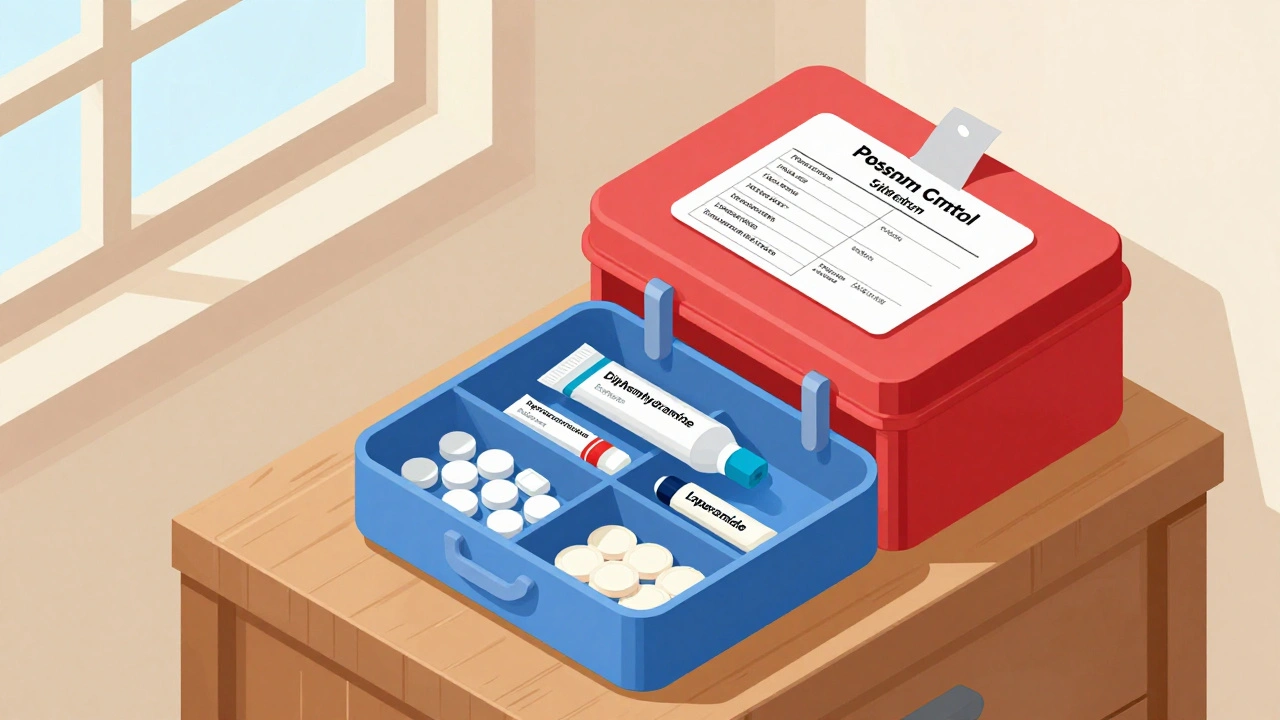
Build a home emergency kit for medication side effects with essential meds, contacts, and documents to handle allergic reactions, stomach issues, and more-before you need an ER visit.