
Home Emergency Kit for Medication Side Effects: What to Include
Medication Side Effects Emergency Kit Checklist
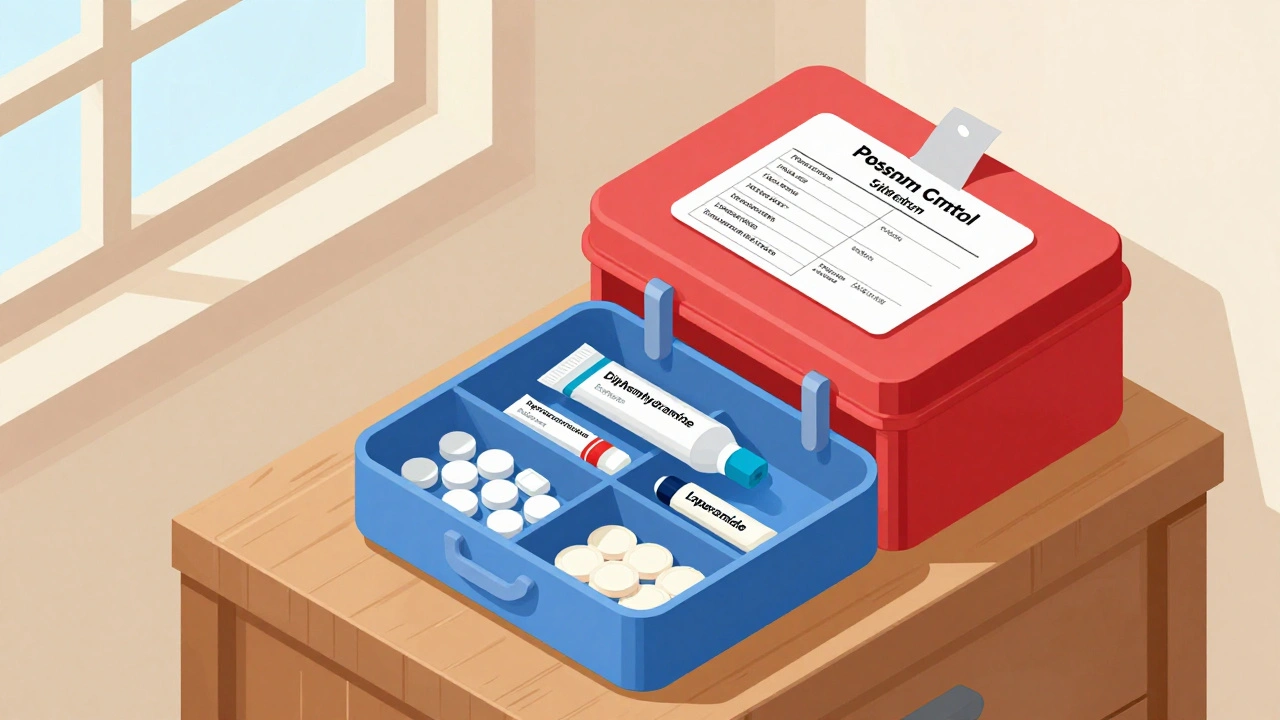
This tool identifies what you should have in your home emergency kit based on your current medications and health conditions. Check your kit against these items.
Your Medication Side Effects Kit Checklist
Why You Need a Home Emergency Kit for Medication Side Effects
Every year, over 1.5 million people in the U.S. are harmed by medication errors or unexpected side effects. That’s not just a statistic-it could be your neighbor, your parent, or even you. Many of these cases start small: a rash after a new antibiotic, nausea from a painkiller, or dizziness from a blood pressure med. But without quick action, they can turn into a trip to the ER-or worse.
A home emergency kit for medication side effects isn’t about treating a heart attack or broken bone. It’s about handling the quiet, sneaky reactions that happen when your body reacts badly to something you took to feel better. This kit gives you a plan. It’s not a replacement for calling 911, but it’s the difference between panic and control in those first critical minutes.
Essential Medications to Keep on Hand
Not every side effect needs a hospital. Many can be managed safely at home-if you have the right tools. Here’s what to stock:
- Diphenhydramine (Benadryl): For mild allergic reactions like hives, itching, or swelling. About 5-10% of people have some kind of reaction to medications, and this antihistamine can calm it down fast.
- Hydrocortisone cream (1%): Use this for red, itchy skin rashes caused by drugs. It’s gentle enough for adults and kids over 2, but never use it on open wounds.
- Antacids (like Tums or Maalox): About 20-30% of medication side effects involve stomach upset, heartburn, or nausea. Keep a bottle handy. Take it as soon as you feel symptoms-don’t wait.
- Loperamide (Imodium): If you’re on antibiotics and get sudden, watery diarrhea, this can help. But don’t use it if you have a fever or bloody stool-those need a doctor.
- Epinephrine auto-injector (EpiPen): Only if your doctor prescribed it. If you’ve ever had a severe allergic reaction to a drug, this isn’t optional. Anaphylaxis can hit in under 10 minutes. Keep it with you at all times, and make sure someone in your house knows how to use it.
- Glucose tablets: If you or a family member takes insulin or other diabetes meds, keep these on hand. Low blood sugar from a drug interaction can cause shaking, confusion, or fainting. A tablet can bring you back in minutes.
Emergency Contacts You Can’t Afford to Miss
When something goes wrong, time matters. Your phone should be within reach-but so should the numbers you need when you’re scared or disoriented.
- 1-800-222-1222 (Poison Help Line): Free, 24/7, and staffed by toxicology experts. Call this first if you’re unsure whether a reaction is serious. In 2022, U.S. poison centers handled over 2 million calls, and 11% were about medications.
- Your primary doctor and pharmacist: Write their names, numbers, and office hours. If you’re on multiple meds, your pharmacist knows how they interact better than anyone.
- Local emergency services (911): Don’t assume you can wait. If someone has trouble breathing, chest pain, swelling of the tongue, or loses consciousness-call 911 immediately. No kit replaces that.
- Pediatrician or child’s specialist: If you have kids, include their doctor’s info. Kids react differently to meds than adults.
Keep this list printed and taped to the inside of the kit lid. Don’t rely on your phone battery.
Documents That Save Lives
When you get to the ER, they’ll ask: What did they take? When? What allergies do they have? If you can’t answer, you’re making their job harder-and slowing down care.
Include these in your kit:
- Medication list for each person: Name, dose, frequency, and reason for each drug. Include over-the-counter pills and supplements. Use a simple table: Drug Name | Dose | Time Taken | Purpose.
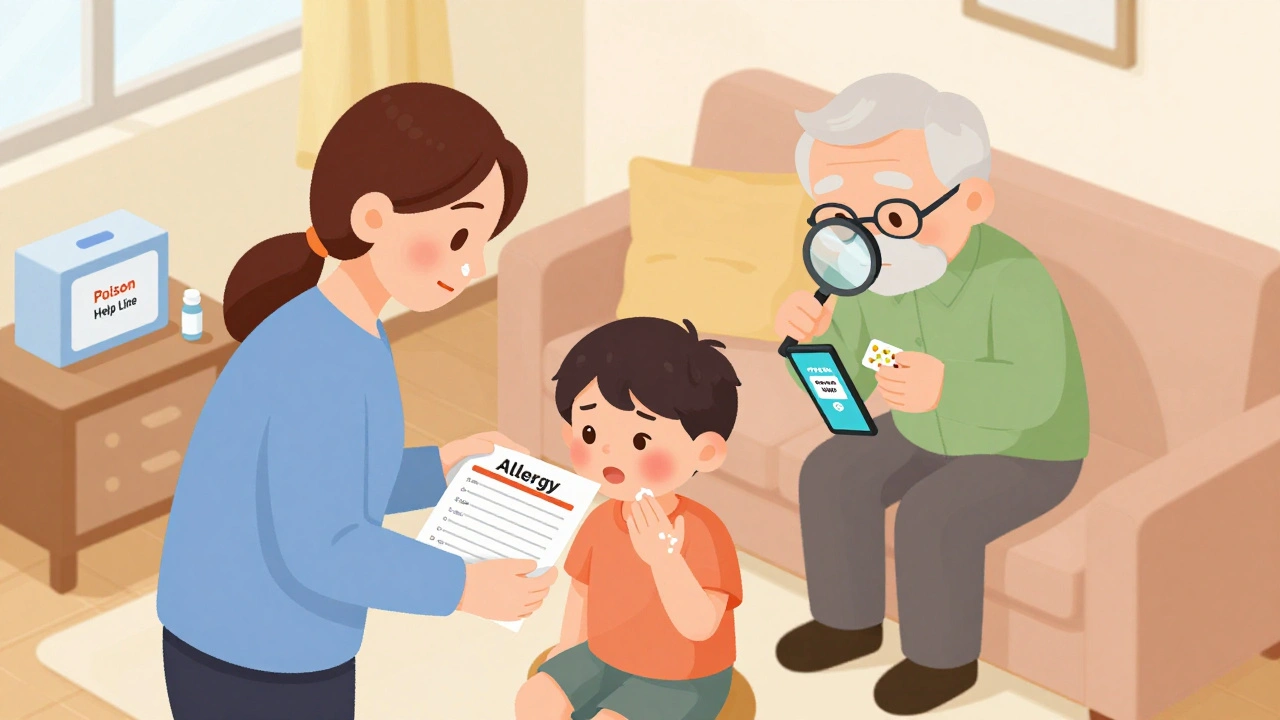
- Allergy history: List every drug, food, or substance that ever caused a reaction-even if it was mild. Write "hives after penicillin," not just "allergic to antibiotics." Specifics matter.
- Medical conditions: Diabetes, heart disease, kidney issues, epilepsy-anything that changes how a drug affects the body.
- 5 Rights of Medication Safety: Write these on a sticky note: Right patient. Right drug. Right dose. Right route. Right time. This helps prevent mistakes when someone else gives meds.
Update this list every time a new med is added or an old one is stopped. Keep a copy in the kit and another in your wallet.
Storage and Maintenance: Don’t Let Your Kit Go Bad
A kit full of expired pills is worse than no kit at all. Out-of-date meds can lose potency-or even become harmful.
- Store in a cool, dry place: Not the bathroom. Heat and moisture ruin pills. A kitchen cabinet away from the stove or a bedroom drawer works best.
- Check every 3 months: Look at expiration dates. Throw out anything past its date-even if it looks fine. The FDA says potency drops over time, sometimes by 10-50% before the label date.
- Keep meds in original packaging: That’s where you’ll find the name, dose, and instructions. Empty bottles into a pill organizer? Fine for daily use-but keep the originals in the kit.
- Check batteries: If you have a digital thermometer or other device in the kit, test the batteries quarterly.
- Keep out of children’s reach: The CDC says 60,000 kids end up in the ER each year from accidental medicine poisoning. Lock the kit or keep it on a high shelf.
What Not to Include (And Why)
Some things sound helpful-but aren’t safe or effective.
- Activated charcoal: Old guides said to use it for poisonings. Now, experts say it doesn’t work for most drugs and can cause more harm. Don’t use it unless a poison control expert tells you to.
- Aspirin for kids: Never give aspirin to anyone under 18. It can cause Reye’s syndrome, a rare but deadly condition. Use acetaminophen or ibuprofen instead.
- Multiple painkillers: Don’t stack Tylenol with cold meds-they often both contain acetaminophen. Unintentional overdose sends 56,000 people to the ER every year.
- Prescription meds from other people: Even if it’s your spouse’s blood pressure pill, don’t keep extras in the kit. Taking someone else’s meds can be dangerous.
Special Needs: Kids, Seniors, and Chronic Conditions
One size doesn’t fit all.
For children: Use weight-based dosing. Acetaminophen is 10-15 mg per kg of body weight. Ibuprofen is 5-10 mg per kg. Keep a small dosing syringe in the kit-not a spoon. Never give aspirin.
For seniors: Most adults over 65 take 4-5 medications daily. Include a printed weekly schedule with large print. Use a pill organizer with alarms if needed. Add a small magnifying glass for reading tiny labels.
For diabetics: Glucose tablets are a must. Also include a note: "If confused or sweating, give 15g glucose. Wait 15 min. Repeat if needed. Call doctor if no improvement."
For those on antidepressants or beta-blockers: Stopping these suddenly can cause severe withdrawal-racing heart, panic, seizures. Keep at least a 7-day supply in the kit in case of power outages or travel delays.
What to Do When a Reaction Happens
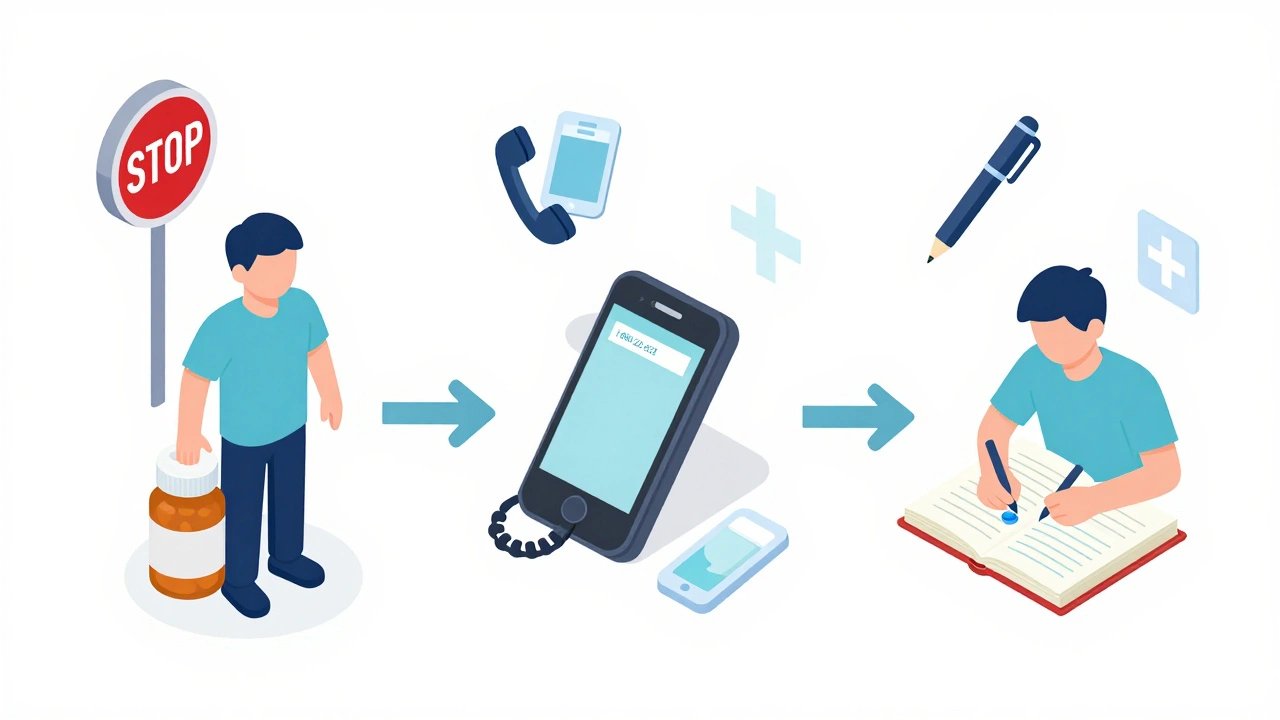
Stay calm. Follow this simple sequence:
- Stop the medication if you suspect it caused the reaction.
- Check symptoms: Is it mild (itchy rash, upset stomach) or severe (trouble breathing, swelling, chest pain)?
- Call 1-800-222-1222 for advice. They’ll tell you if it’s safe to treat at home or if you need to go to the ER.
- Use your kit: Take antihistamine, apply cream, or chew a glucose tablet-only if appropriate.
- Write it down: Use the notepad. Note the time, what you took, what happened, and what you did. This helps doctors later.
- Call 911 if needed: If breathing is hard, face is swollen, or person is unconscious-don’t wait. Call now.
Final Tip: Talk to Your Pharmacist
Pharmacists are medication experts-and they’re often more accessible than your doctor. Before you add anything to your kit, ask: "Is this safe with my current meds?" A 2022 study showed pharmacist consultations reduce medication errors by 35%.
They can also help you build your kit. Bring your current med list and ask: "What should I keep at home if something goes wrong?" They’ll give you a personalized checklist.
Bottom Line
A home emergency kit for medication side effects isn’t about being paranoid. It’s about being prepared. With over 70% of American adults on at least one prescription, the risk isn’t theoretical-it’s real. This kit gives you control when you feel helpless. It turns panic into action. And in a medical emergency, that’s everything.
What’s the most important thing to include in a medication side effects emergency kit?
The most important item is your personal medication list with dosages, allergies, and medical conditions. Without this, even the best supplies won’t help emergency responders make the right decisions fast. Knowing what someone took-and what they’re allergic to-can prevent deadly mistakes.
Can I use over-the-counter meds from my regular medicine cabinet?
Yes-but only if you’re sure they’re safe with your current meds. Many cold and pain medicines contain acetaminophen, which can overdose you if you’re already taking it. Always check labels and talk to your pharmacist before adding anything to your kit.
How often should I check my emergency kit?
Check it every 3 months. Look for expired pills, leaking creams, or broken batteries. Replace anything outdated immediately. Medications lose potency over time-even before their expiration date-especially if stored in hot or damp places.
Should I keep my EpiPen in the kit or carry it with me?
If you’ve been prescribed an EpiPen, carry it with you at all times. Don’t rely on it being in the home kit. Anaphylaxis can happen anywhere-at work, in the car, or at the store. Keep one at home and one in your bag or pocket. Make sure someone else knows how to use it.
Is it safe to give someone else’s medication from my kit in an emergency?
Never. Even if it’s your spouse’s blood pressure pill or your child’s asthma inhaler, giving someone else’s medication can be dangerous. Doses are tailored to the individual. What helps one person could kill another. Only use medications prescribed to the person having the reaction.
What if I don’t have a printer to make the medication list?
Handwrite it clearly on a sturdy card or index card. Use a permanent marker. Include: full name, birth date, list of all meds (including vitamins), allergies, and chronic conditions. Keep it in a plastic sleeve inside the kit. Update it every time your meds change.
Can I use this kit for food allergies too?
Yes. The same antihistamines and EpiPens work for food reactions. But make sure your list includes food allergies alongside drug allergies. If someone has both, the kit should reflect that clearly. Always call 911 for severe food reactions-even if you’ve used an EpiPen.
Do I need this kit if I only take one medication?
Yes. Even one medication can cause a serious reaction. Allergies, interactions with food or supplements, or changes in your health can turn a safe drug into a danger. You don’t need to be on five pills to need this kit-you just need to be taking one.

Comments (8)
Sadie Nastor
7 Dec 2025
this is so helpful!! i never thought about keeping a physical list of meds 🥹 i just rely on my phone and then it dies during a panic moment... gonna make one today. thank you for writing this 💖
Oliver Damon
8 Dec 2025
The pharmacokinetic and pharmacodynamic variability among polypharmacy patients necessitates a stratified, individualized emergency protocol. The inclusion of an epinephrine auto-injector is only clinically indicated in those with a documented IgE-mediated hypersensitivity profile. Most over-the-counter interventions lack evidence-based utility outside of controlled settings.
Helen Maples
8 Dec 2025
You missed a critical point: if you're on SSRIs or MAOIs, you CANNOT take dextromethorphan or any OTC cold med without risking serotonin syndrome. That’s not ‘maybe dangerous’-it’s a death sentence waiting to happen. Update your list or people will die.
David Brooks
9 Dec 2025
I used to think this was overkill... until my mom had a reaction to her new blood pressure med and we had NO idea what she was taking. We scrambled for 20 minutes while she turned blue. This kit? It saved her life. I cry every time I look at it. Don’t wait until it’s too late.
Nicholas Heer
9 Dec 2025
why are they telling you to keep meds at home? this is a big pharma scam to get you hooked on pills. poison control? they work for the drug companies. the real solution is to stop taking ALL meds and go full raw vegan. they don't want you to know this...
Sangram Lavte
11 Dec 2025
This is actually really well thought out. I’m from India and we don’t have this culture of emergency kits, but after reading this, I’m going to make one for my elderly dad. Simple, clear, practical. Good job.
Stacy here
13 Dec 2025
They say ‘call poison control’ but what if poison control is just a front for the FDA to track your meds? And why is the government pushing EpiPens? Did you know they cost $600 because of price-fixing? This whole ‘kit’ is a trap to keep you dependent on the system. Wake up.
Jane Quitain
13 Dec 2025
i made my kit last week and i feel so much better now 😊 i even put a little note that says "you got this" inside the lid. it’s not just meds-it’s peace of mind. you’re not alone 💪❤️