Why Generic Drug Shortages Are Happening and How They Affect Patient Access
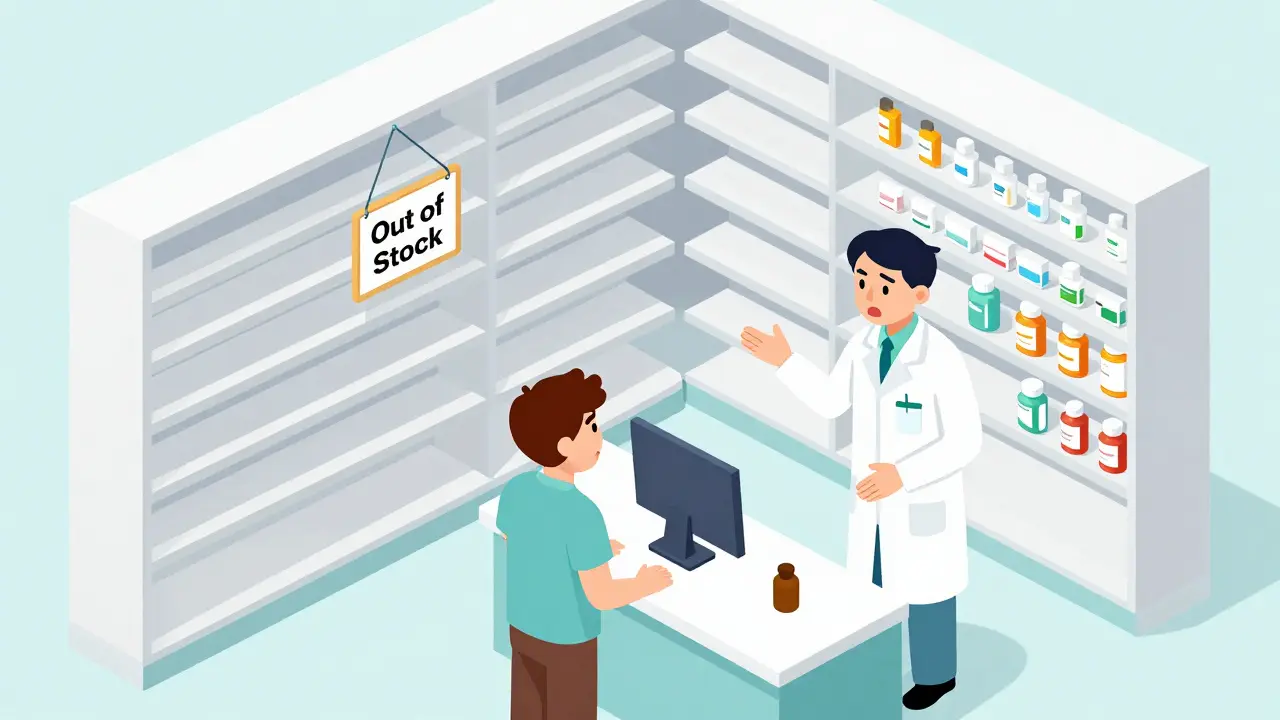
Imagine walking into your local pharmacy to pick up a prescription for an infection, only to be told the drug is unavailable. It’s not just a rare inconvenience; it is a daily reality for millions of patients across the United States. As of mid-2025, there are over 270 active drug shortages reported by the American Society of Health-System Pharmacists (ASHP). While this number has dipped slightly from late 2024 peaks, it remains far above historical norms, creating a persistent crisis in healthcare delivery.
The core issue isn’t just about missing pills on a shelf. It is about systemic vulnerabilities that threaten patient safety. When generic drugs-which make up roughly 90 percent of all prescriptions filled in the U.S.-are scarce, the ripple effects are severe. Hospitals delay treatments, pharmacists spend hours finding alternatives, and patients often face higher costs or compromised care. Understanding why this happens requires looking beyond simple supply hiccups to the structural flaws in how we manufacture and distribute medicines.
The Root Causes: Why Generics Disappear
To understand the shortage, you have to look at the economics. Generic drugs are designed to be cheap. That is their purpose. But this low price tag creates a fragile ecosystem. Manufacturers of generic medications often operate on razor-thin profit margins, sometimes earning only 5 to 10 percent gross margin. Compare that to brand-name drugs, which can command 30 to 40 percent margins. When profits are this slim, there is little financial incentive to invest in excess manufacturing capacity or robust quality control systems.
Manufacturing concentration is another major factor. According to FDA data from 2023, approximately 70 percent of generic drugs have only one or two approved manufacturers. This creates single points of failure. If one factory shuts down for maintenance, fails an inspection, or faces raw material issues, the entire national supply can vanish overnight. There is no backup plan because building redundant factories is expensive and rarely profitable for low-cost generics.
- Thin Margins: Low prices discourage investment in reliable production infrastructure.
- Single Source Dependency: Most generics rely on one or two manufacturers globally.
- Quality Issues: Strict regulatory inspections can halt production if standards aren't met.
- Raw Material Scarcity: Supply chains for active ingredients are often disrupted.
The type of drug matters too. Sterile injectable drugs-like IV antibiotics and chemotherapy agents-account for about 60 percent of all generic shortages. These products require specialized, sterile facilities that are complex to build and maintain. A small contamination event in such a facility can shut down production for months, leaving hospitals without critical life-saving medications.
Global Supply Chains and Geographic Risks
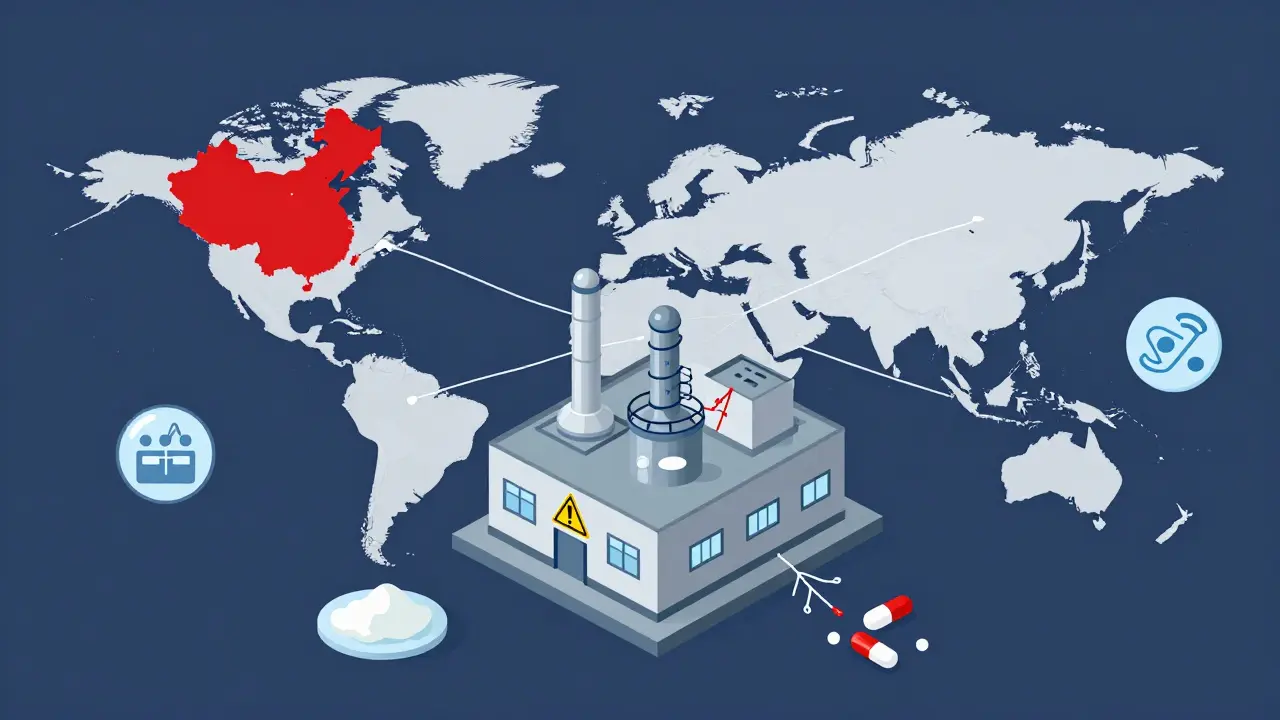
The United States does not produce most of its own medicine. Over 50 percent of drugs used in the U.S. are manufactured abroad. More specifically, about 80 percent of active pharmaceutical ingredients (APIs) come from facilities in China and India. This heavy reliance on foreign sources makes the domestic supply chain vulnerable to international disruptions, whether they are political, logistical, or environmental.
| Metric | Generic Drugs | Brand-Name Drugs |
|---|---|---|
| Share of Prescriptions | ~90% | ~10% |
| Shortage Frequency (2018-2023) | 1,391 shortages | 600 shortages |
| Median Price Increase During Shortage | 14.6% | 0% |
| Median Reduction in Fills | 37.6% | 30.4% |
| Availability of Alternatives | Limited | Frequently Available |
This geographic concentration means that a trade dispute, a natural disaster, or a regulatory change in Asia can directly impact shelves in Ohio or California. Recent discussions around potential tariffs on pharmaceutical imports highlight this risk. Analysts warn that tariffs could disrupt an already fragile global supply chain, particularly for generic sterile injectables like chemotherapy medications and IV saline, making shortages worse rather than better.
Impact on Patient Access and Safety
The human cost of these shortages is significant. It is not just an administrative headache for pharmacies; it is a direct threat to health outcomes. A 2022 survey by the American Medical Association found that 63 percent of pharmacists reported that drug shortages had led to serious adverse patient outcomes. What does that look like in practice?
In oncology departments, the impact is devastating. Sixty-seven percent of cancer centers reported having to modify chemotherapy regimens due to shortages of essential drugs like cisplatin. Changing a regimen isn’t always safe or effective. Sometimes, the alternative drug is less potent, has more side effects, or requires different monitoring. For patients with chronic conditions, like those requiring specific pain management or antibiotic therapy, being denied refills leads to increased emergency room visits and uncontrolled symptoms.
Access issues also disproportionately affect lower-income patients. When a generic drug is in short supply, prices often spike. The median price increase for a generic drug during a shortage is 14.6 percent. However, substitute drugs can sometimes cost three times as much. For patients paying out-of-pocket or with high-deductible plans, this sudden cost jump can mean abandoning their prescription entirely. The National Community Pharmacists Association reported that 43 percent of independent pharmacies saw patients abandon prescriptions due to cost or availability issues caused by shortages.
The Burden on Healthcare Providers
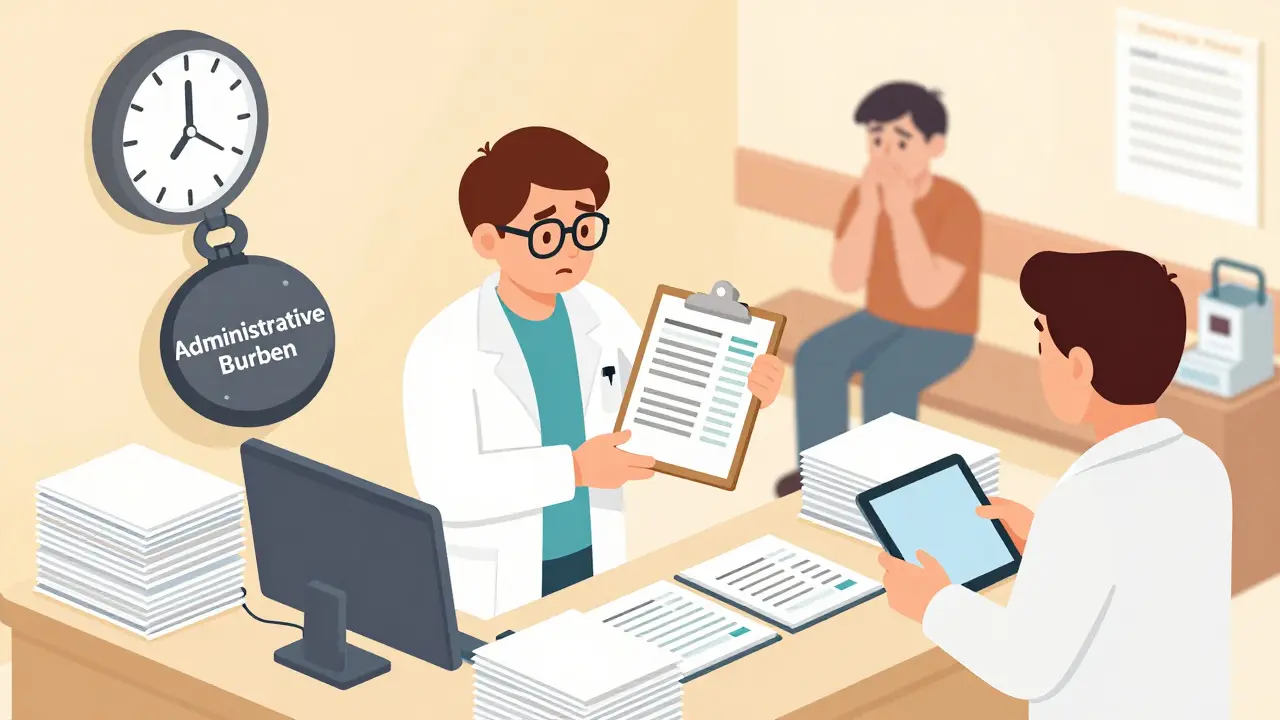
Behind every shortage is a pharmacist or nurse working overtime to solve a problem that shouldn’t exist. Managing drug shortages adds a massive operational burden to healthcare systems. Pharmacists now spend approximately 15 to 20 hours per week on shortage-related activities. This includes identifying therapeutic alternatives, updating electronic health records, changing pharmacy automation settings, and communicating with doctors and patients.
This workload exacerbates existing staffing challenges. Seventy-two percent of hospitals reported that drug shortages made their staffing shortages worse. Pharmacists are being asked to act as supply chain managers, procurement specialists, and clinical consultants simultaneously. This diversion of time and resources takes away from patient counseling and other critical safety checks. Furthermore, documentation becomes a nightmare. Facilities often have to maintain separate protocols for at least 10 different drug categories, increasing the risk of errors.
The financial toll is also steep. The American Hospital Association estimates that hospitals spend approximately $213 million annually managing drug shortages. This money goes toward additional staff time, purchasing more expensive alternatives, and modifying treatment protocols. It is money that could otherwise be spent on improving patient care or expanding services.
Market Dynamics and Future Outlook
The generic drug market is consolidating. In 2024, the top 10 generic manufacturers controlled about 60 percent of the market, up from 45 percent in 2015. This consolidation reduces competition and further shrinks the number of available manufacturing facilities. The number of FDA-registered generic drug manufacturing facilities in the U.S. dropped by 22 percent between 2015 and 2024. Fewer factories mean less resilience.
Regulatory pressures are also tightening. FDA inspection citations for manufacturing quality issues increased by 35 percent from 2020 to 2024. While this ensures safety, it also means more frequent production halts when companies fail to meet strict standards. Without significant policy intervention, experts predict the situation will worsen. The Congressional Budget Office projected that without changes, active drug shortages could reach 350 by the end of 2026.
However, there are glimmers of hope. Executive Order 14050, signed in 2020, created an Essential Medicines List. This initiative helped reduce shortages of critical essential medicines by 32 percent between 2020 and 2023. The FDA’s Drug Shortage Task Force is now focusing on four key strategies: diversifying manufacturing geographically, creating financial incentives for reliable supply, implementing advanced manufacturing technologies, and improving early warning systems. These steps are necessary, but industry leaders warn that fundamental market dynamics won’t change unless pricing structures incentivize reliability over the lowest possible price.
Why are generic drugs more prone to shortages than brand-name drugs?
Generic drugs have much lower profit margins (often 5-10%) compared to brand-name drugs (30-40%). This discourages manufacturers from investing in excess capacity or multiple production sites. Additionally, many generics have only one or two manufacturers, creating single points of failure. Brand-name drugs often have more established supply chains and higher revenues that support redundancy.
How do drug shortages affect my healthcare costs?
When a generic drug is in short supply, its price often increases by a median of 14.6%. More concerning is that substitute drugs may cost significantly more-sometimes three times the original price. If your insurance doesn't cover the alternative fully, you may face higher out-of-pocket expenses or be forced to skip doses.
What types of medications are most likely to be in short supply?
Sterile injectable drugs account for approximately 60% of all generic shortages. This includes IV antibiotics, chemotherapy agents, and saline solutions. These products require complex, sterile manufacturing environments that are difficult to scale quickly and highly susceptible to contamination-related shutdowns.
Is the U.S. relying too heavily on foreign drug manufacturing?
Yes. About 80% of active pharmaceutical ingredients (APIs) come from China and India, and over 50% of finished drugs are manufactured abroad. This reliance makes the U.S. supply chain vulnerable to international disruptions, trade policies, and geopolitical tensions, contributing to the frequency and duration of shortages.
What is being done to fix the generic drug shortage crisis?
The FDA and government agencies are focusing on diversifying manufacturing locations, creating financial incentives for reliable suppliers, and improving early warning systems. The Essential Medicines List has helped prioritize critical drugs. However, experts argue that long-term solutions require addressing the low-profit economic model that disincentivizes investment in robust manufacturing infrastructure.