How to Dispose of Expired Medications: FDA Take-Back Rules and Safe Disposal
Safe Medication Disposal Guide
How it works: Answer a few questions about your medication to get specific disposal instructions.
Step 1: What type of medication is it?
Step 2: Is a Take-Back Program available nearby?
Look for drop boxes at pharmacies (CVS, Walgreens, Walmart), police stations, or fire departments.
Step 3: How do you want to dispose of it at home?
You have a drawer or cabinet full of old pills. Maybe they expired last year, maybe you finished the course but kept the leftovers "just in case." It feels harmless to toss them in the trash or rinse them down the sink. But that convenience comes with serious risks for your family, your neighbors, and the environment. The U.S. Food and Drug Administration (FDA) has strict rules for how to handle this waste because unused drugs can cause accidental poisonings, fuel addiction, and pollute water supplies.
Getting rid of these medicines correctly isn't just about cleaning out your medicine cabinet. It is a public health issue. In 2022 alone, nearly 5.8 billion prescription medications were dispensed in the United States. About 15% to 20% of those never get used. That leaves millions of potent drugs floating around households where children, pets, or even well-meaning friends might find them. Knowing the right way to dispose of them saves lives and protects nature.
The Best Option: Drug Take-Back Programs
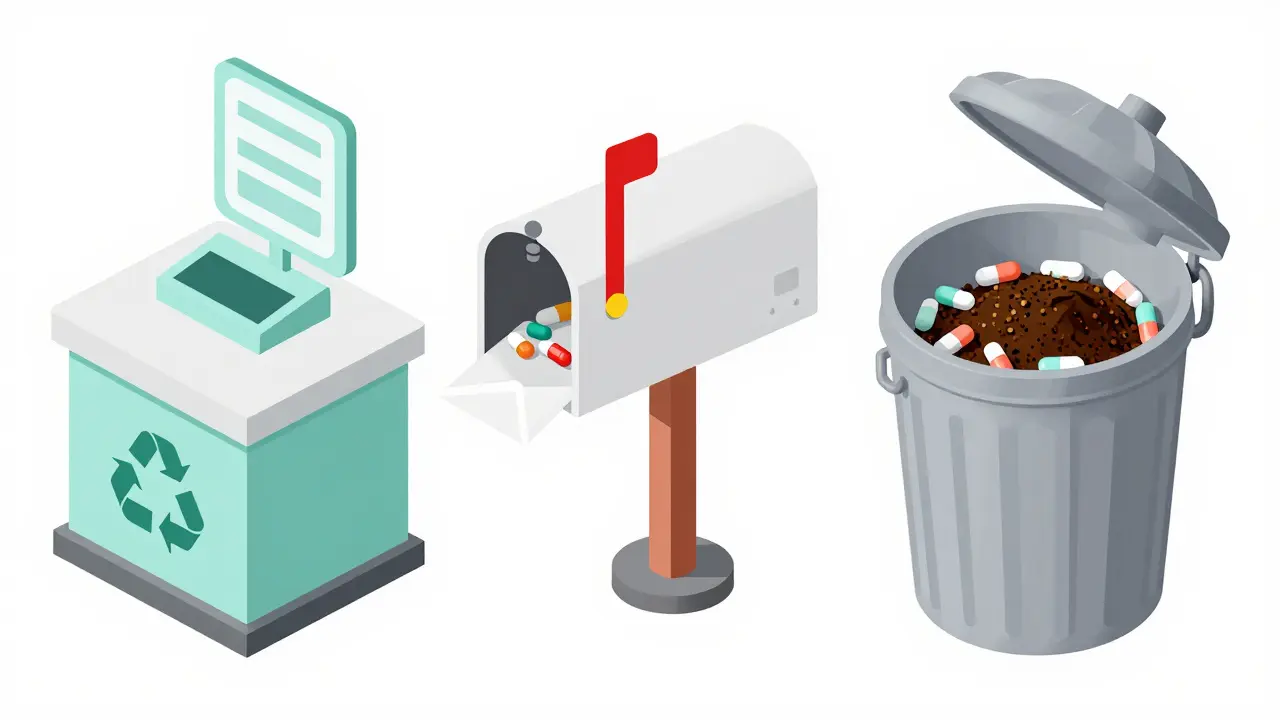
If you want to do things the safest way possible, you should use a drug take-back program. This is the method the FDA recommends for almost every type of medication. These programs collect unused drugs and destroy them securely so they cannot be diverted back into illegal markets or accidentally ingested.
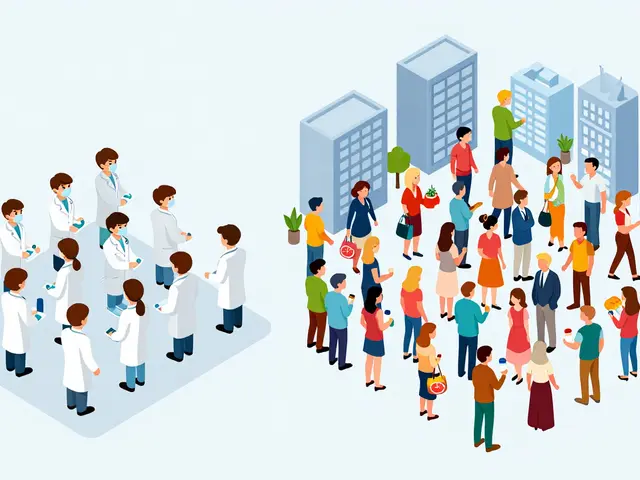
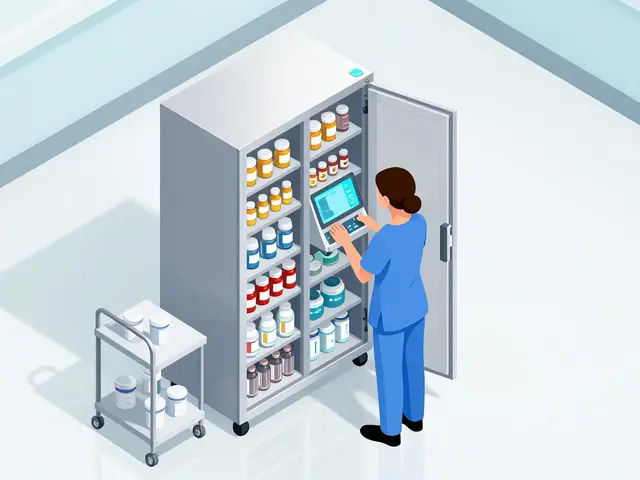
You don't need to wait for a special event to throw away your meds anymore. Thanks to the Secure and Responsible Drug Disposal Act of 2010, permanent collection sites are now legal and widespread. As of early 2025, there are over 14,000 authorized collectors across the country. Most of these are retail pharmacies like CVS, Walgreens, or Walmart. You can also find drop boxes at police stations, fire departments, and some hospitals.
Why is this better than home disposal? Because it works. Data from the Drug Enforcement Administration (DEA) shows that take-back programs achieve a 99.8% proper disposal rate. Compare that to home methods, which only comply with safety guidelines about 87% of the time. When you drop off your pills, you know they are gone for good. Plus, it removes the temptation for misuse. Studies show that when communities have more take-back locations, adolescent drug misuse drops significantly.
If you live in a rural area, finding a site might be harder. About 31% of rural residents report having no take-back location within 25 miles. In those cases, look for National Prescription Drug Take-Back Days. The DEA hosts these twice a year-usually in April and October. On these days, temporary collection sites pop up everywhere, making it easier to get rid of bulk amounts of medication safely.
When You Can't Go Out: Mail-Back Envelopes
Sometimes you can't drive to a pharmacy. Maybe you're housebound, traveling, or simply short on time. For these situations, prepaid mail-back envelopes are a solid second choice. These services allow you to send your unused medications through the postal service for professional destruction.
To use this method, you need an approved vendor. The FDA specifies that these envelopes must meet USPS Domestic Mail Manual requirements for pharmaceutical disposal. Companies like DisposeRx and Sharps Compliance offer these kits. Some insurance plans and pharmacy benefit managers, such as Express Scripts, provide free mail-back pouches to their members. If your plan offers this, check your portal or call customer service. It’s often free and very convenient.
Here is how it works: you place your pills in the provided envelope, seal it, and drop it in any mailbox. No stamps needed if it's pre-paid. The company then incinerates or chemically treats the drugs. User satisfaction rates for these services are high, hovering around 94%, largely because it removes the hassle of driving. However, keep in mind that not all mail-back programs are free. Independent vendors may charge between $2.15 and $4.75 per envelope. Before buying, check if your health insurer covers this cost.
Home Disposal: The Right Way to Toss Pills
If neither take-back nor mail-back is an option, you can dispose of most medications in your household trash. But you must do it correctly. Simply throwing a bottle of pills in the garbage bin is dangerous. Children or animals could dig them out, or someone might rummage through your trash and find usable drugs.
The FDA outlines a specific five-step process for this:
- Remove personal info: Scratch out your name, address, and prescription number on the label. Use an alcohol swab or a permanent marker. You don't want identity theft happening via your trash.
- Mix with unpalatable substances: Take the pills out of the bottle. Mix them with something gross. Coffee grounds, cat litter, or dirt work best. The goal is to make the medication look and smell terrible so no one wants to eat it. Use a 1:1 ratio-for example, equal parts pills and coffee grounds.
- Seal tightly: Put this mixture into a sealed container. An old yogurt cup, a coffee tin, or a small plastic bag tied shut works. The FDA recommends containers with walls at least 0.5mm thick to prevent leakage.
- Toss in trash: Throw the sealed container into your regular household trash.
- Recycle the bottle: Once the original pill bottle is empty and de-identified, you can recycle it if your local facilities accept plastic bottles.
A common mistake people make is trying to dissolve pills in water before trashing them. Don't do this. Liquids can leak out of bags and contaminate soil or groundwater. Always mix solids with absorbent materials like coffee grounds first. Also, remember that liquid medications need special handling. Pour them into the same mixture of coffee grounds or cat litter to absorb the fluid before sealing the container.
The Flush List: When Flushing Is Actually Okay
Most doctors and environmental groups tell you never to flush drugs. And generally, they are right. Flushing releases chemicals directly into water treatment systems, many of which cannot filter out pharmaceutical compounds completely. This leads to trace amounts of drugs ending up in rivers and drinking water sources.
However, there is an exception. The FDA maintains a "Flush List" of specific medications that pose such a high risk of fatal overdose if misused that flushing is recommended if a take-back option is not immediately available. "Immediately available" means within 15 miles or 30 minutes of travel time.
As of the October 2024 update, this list contains exactly 13 active ingredients. Most of them are potent opioids. Here is a breakdown of what falls into this category:
| Drug Class | Examples on the Flush List | Reason for High Risk |
|---|---|---|
| Opioids | Fentanyl, Oxycodone, Hydrocodone, Morphine, Hydromorphone | High potential for fatal overdose in small quantities |
| Opioids | Buprenorphine, Methadone, Oxymorphone | Strong addictive properties and diversion risk |
| Other Controlled Substances | Alfentanil, Fentanyl patches | Extreme potency; patch residue remains dangerous |
If you have leftover fentanyl patches or strong painkillers like oxycodone, and you cannot get to a pharmacy today, flush them. The immediate danger of a child or teen finding them outweighs the long-term environmental impact. Once flushed, they are gone instantly. Just remember: this applies only to the drugs on the official list. Do not flush antibiotics, blood pressure meds, or antidepressants unless told otherwise by a healthcare provider.
Why Proper Disposal Matters Beyond Your Home
You might wonder why the government cares so much about your leftover ibuprofen or amoxicillin. The stakes are higher than you think. Improper disposal contributes to several major societal problems.
First, it fuels the opioid crisis. Unused prescription opioids are a primary source for initial addiction. According to the National Institute on Drug Abuse, thousands of overdose deaths each year start with pills found in someone else's medicine cabinet. By using take-back programs, you remove these drugs from circulation entirely. Communities with robust disposal infrastructure see measurable drops in adolescent misuse.
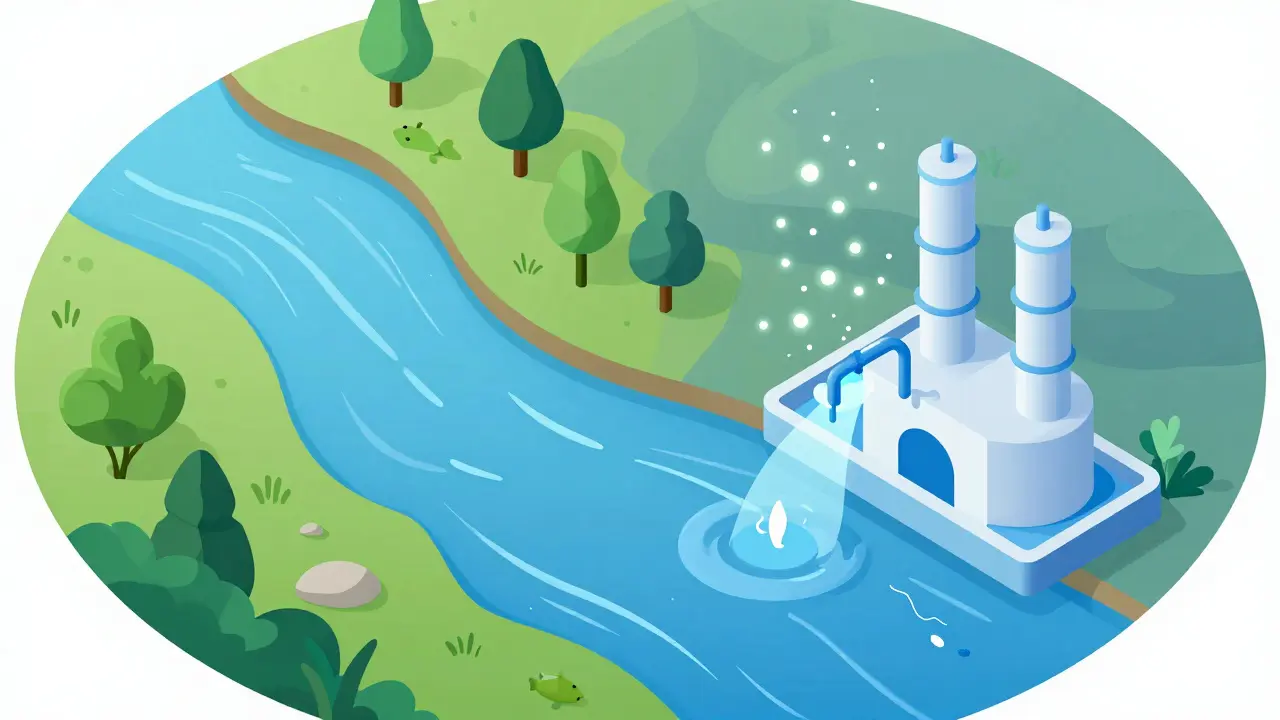
Second, it protects our water supply. While flushing is allowed for a few high-risk drugs, dumping everything down the toilet creates a cumulative effect. Pharmaceuticals are designed to be biologically active, meaning they don't break down easily. Water treatment plants struggle to remove them. Scientists have detected traces of hormones, antibiotics, and psychiatric drugs in waterways worldwide. This affects aquatic life and potentially human health over time. The Environmental Protection Agency (EPA) strongly discourages flushing for this reason, citing irreversible environmental damage.
Third, it prevents accidental poisoning. Every year, thousands of children visit emergency rooms after ingesting medications found in homes. Many of these incidents involve expired drugs stored improperly. Secure disposal eliminates this hazard. It’s a simple act that keeps your home safer for kids and pets.
Common Mistakes to Avoid
Even well-intentioned people mess up medication disposal. Here are the most frequent errors based on recent consumer studies:
- Throwing liquids directly in the trash: Liquid meds leak. Always mix them with an absorbent material like cat litter first.
- Flushing non-list drugs: Only flush if the drug is on the FDA Flush List AND you can't find a take-back spot quickly. Otherwise, use trash or mail-back.
- Leaving labels intact: Never throw away a bottle with your name on it. Privacy matters, and it prevents identity theft.
- Hoarding "just in case": Don't save leftover antibiotics or controlled substances for future ailments. They expire, lose effectiveness, or become unsafe. Get rid of them once you're done with the prescribed course.
- Ignoring patch hazards: Opioid patches still contain active drug even after use. Fold them in half with the sticky sides together before disposing of them in the trash or flushing if required.
Another issue is accessibility. Many people simply don't know take-back options exist. Surveys show that over 60% of patients are unaware of local drop boxes. Ask your pharmacist next time you pick up a prescription. They can point you to the nearest collector or give you a mail-back kit. Knowledge is the first step toward safe disposal.
Can I throw expired medication in the regular trash?
Yes, but only if you prepare it properly. Remove personal information from the label, mix the pills with an unpalatable substance like coffee grounds or cat litter, seal the mixture in a tight container, and then place it in your household trash. Do not throw loose pills or open bottles directly into the garbage.
What is the FDA Flush List?
The FDA Flush List is a specific group of medications that are considered extremely dangerous if misused. For these drugs, the FDA recommends flushing them down the toilet if a drug take-back program is not readily available (within 15 miles or 30 minutes). The list primarily includes potent opioids like fentanyl, oxycodone, and hydrocodone. Always check the latest list on the FDA website, as it is updated periodically.
Where can I find a drug take-back location near me?
You can find permanent collection sites at many retail pharmacies, hospitals, police stations, and fire departments. The DEA provides an online locator tool on their website to help you find authorized collectors in your area. Additionally, look for National Prescription Drug Take-Back Days, typically held in April and October, when temporary sites are set up nationwide.
Is it safe to use mail-back envelopes for medication disposal?
Yes, mail-back envelopes are a safe and convenient alternative if you cannot access a take-back site. Ensure you use an approved vendor that meets USPS requirements for pharmaceutical disposal. Place your medications in the provided envelope, seal it, and drop it in the mail. Some insurance plans offer these for free, while others may charge a small fee.
Why shouldn't I flush most medications down the toilet?
Flushing most medications contributes to water contamination. Water treatment facilities often cannot fully remove pharmaceutical compounds, leading to traces of drugs entering rivers, lakes, and eventually drinking water supplies. This poses risks to aquatic ecosystems and potentially human health. Flushing is reserved only for high-risk drugs on the FDA Flush List when take-back options are unavailable.
How do I dispose of unused opioid patches?
Opioid patches, such as fentanyl patches, remain dangerous even after use because they still contain active medication. Fold the patch in half with the sticky sides touching each other to secure the adhesive. Then, follow the disposal instructions for that specific drug. If it is on the FDA Flush List, flush it. Otherwise, mix it with coffee grounds or similar material and dispose of it in the trash according to standard home disposal protocols.
Do I need to crush my pills before throwing them away?
No, you do not need to crush your pills. Crushing can create dust that is hazardous to inhale or handle. Instead, mix the whole pills with an unpalatable substance like coffee grounds, cat litter, or dirt. This makes the medication less appealing and harder to separate from the mixture, reducing the risk of accidental ingestion or diversion.