
How to Use Clinician Portals and Apps for Drug Safety Monitoring
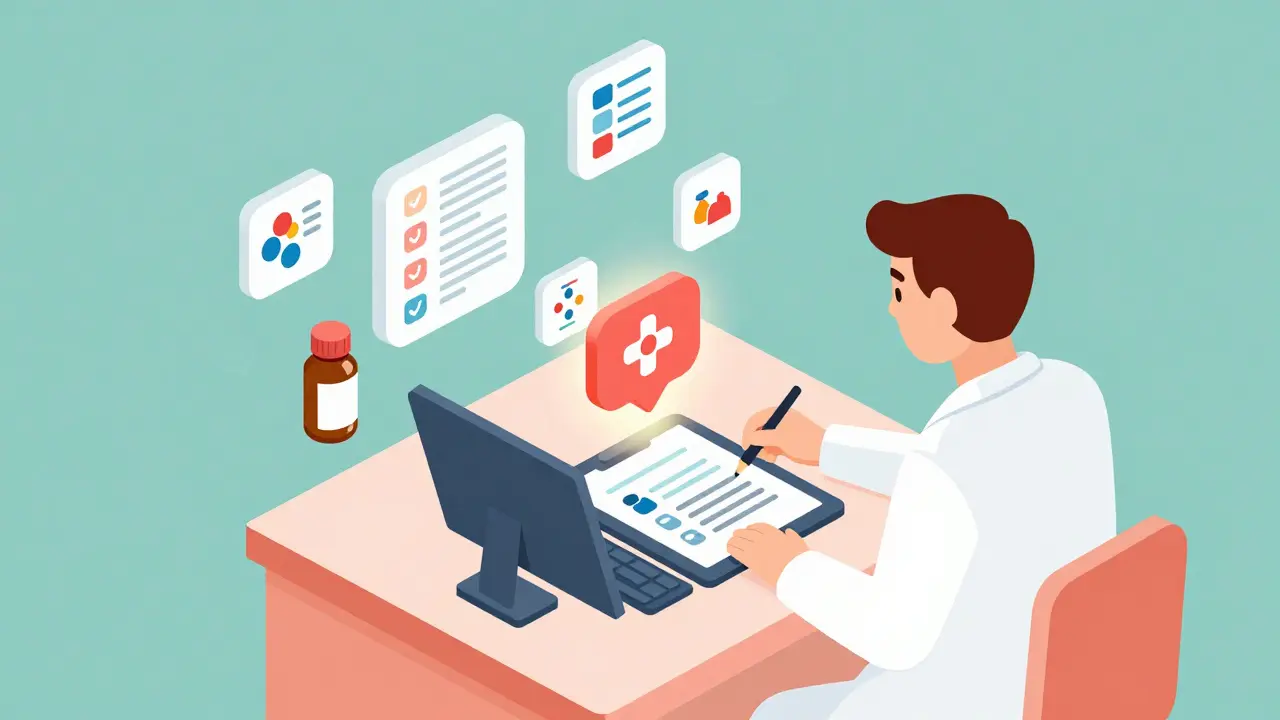
Every year, thousands of patients suffer harm from drugs that were thought to be safe. Many of these cases go unnoticed until it’s too late-because the system for catching problems is slow, fragmented, or relies on paper forms. But today, clinicians have tools that can spot dangerous drug reactions in real time. These aren’t sci-fi fantasies. They’re clinician portals and apps built into everyday workflows, helping doctors, pharmacists, and nurses catch risks before they become emergencies.
What These Tools Actually Do
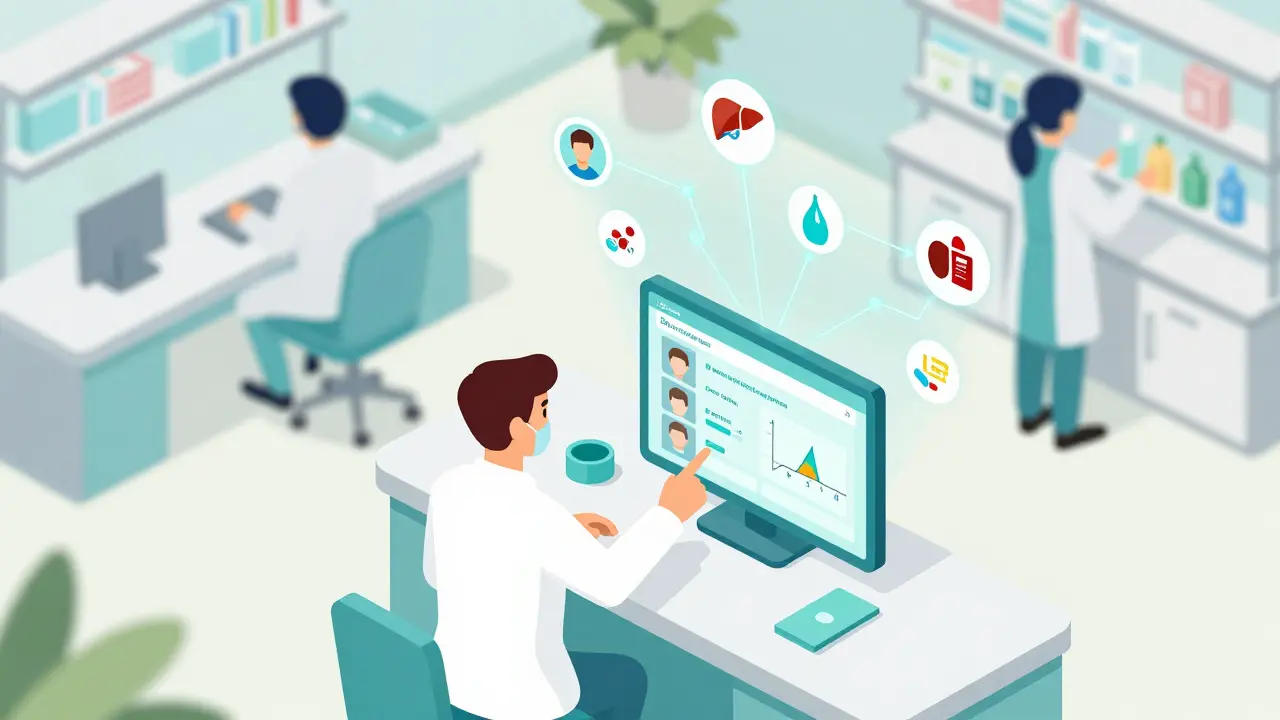
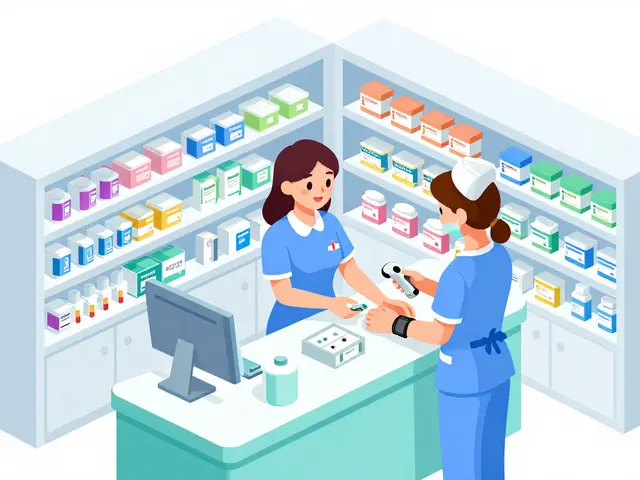
Clinician portals for drug safety monitoring aren’t just databases. They’re living systems that pull data from electronic health records (EHRs), lab results, prescription logs, and even patient-reported symptoms. They look for patterns: a spike in liver enzyme levels after starting a new antibiotic, a cluster of fainting episodes linked to a blood pressure med, or unexpected interactions between over-the-counter supplements and prescribed drugs. These systems don’t wait for someone to file a report. They scan continuously. When something unusual shows up-like 12 patients on the same drug developing rashes in a single week-the portal flags it. Then it sends an alert to the right person: a pharmacist reviewing meds, a clinician managing a complex case, or a pharmacovigilance officer digging into signals. The goal? Cut the time it takes to detect a dangerous drug reaction from weeks or months down to hours or days. Some platforms have cut detection time by 70%. That’s not just efficiency-it’s life-saving.How to Start Using Them
If you’re a clinician wondering how to get started, here’s the reality: you probably already have access to one. Most major EHR systems like Epic or Cerner now include built-in safety tools. Wolters Kluwer’s Medi-Span, for example, is embedded in over 40% of U.S. hospitals with 500+ beds. It doesn’t require logging into a separate system. You see drug interaction warnings right as you’re writing a prescription. But if you’re working in a clinical trial, a research hospital, or a smaller clinic without integrated tools, you might need to use a dedicated portal like Cloudbyz or clinDataReview. Here’s how to begin:- Know what system you have. Ask your pharmacy or compliance department. Is it built into your EHR? Or is it a standalone platform? Don’t assume-find out.
- Get trained. Most platforms require 80-120 hours of training to use well. That includes learning how to interpret alerts, understand causality assessments, and navigate audit trails. Don’t skip this. False positives are common, and without context, you’ll either ignore real signals or waste time chasing ghosts.
- Check your data flow. These tools only work if they’re getting clean, timely data. Are lab results auto-populating? Are patient-reported symptoms being entered? If your team still uses paper forms for adverse events, that’s a bottleneck. Push for digital capture.
- Set up alerts that matter. Not every alert needs your attention. Work with your safety team to filter out low-risk signals. For example, a mild headache after a new medication might not need a full review-but a sudden drop in platelets does.
Choosing the Right Tool for Your Setting
Not all platforms are created equal. Your choice depends on where you work and what you need.| Platform | Best For | Integration | Learning Curve | Cost |
|---|---|---|---|---|
| Wolters Kluwer Medi-Span | Hospitals, outpatient clinics | Embedded in Epic, Cerner, Allscripts | Low | $22,500-$78,000/year |
| Cloudbyz | Clinical trials, pharma companies | CTMS, EDC, CDISC standards | High (requires data mapping) | ~$185,000/year |
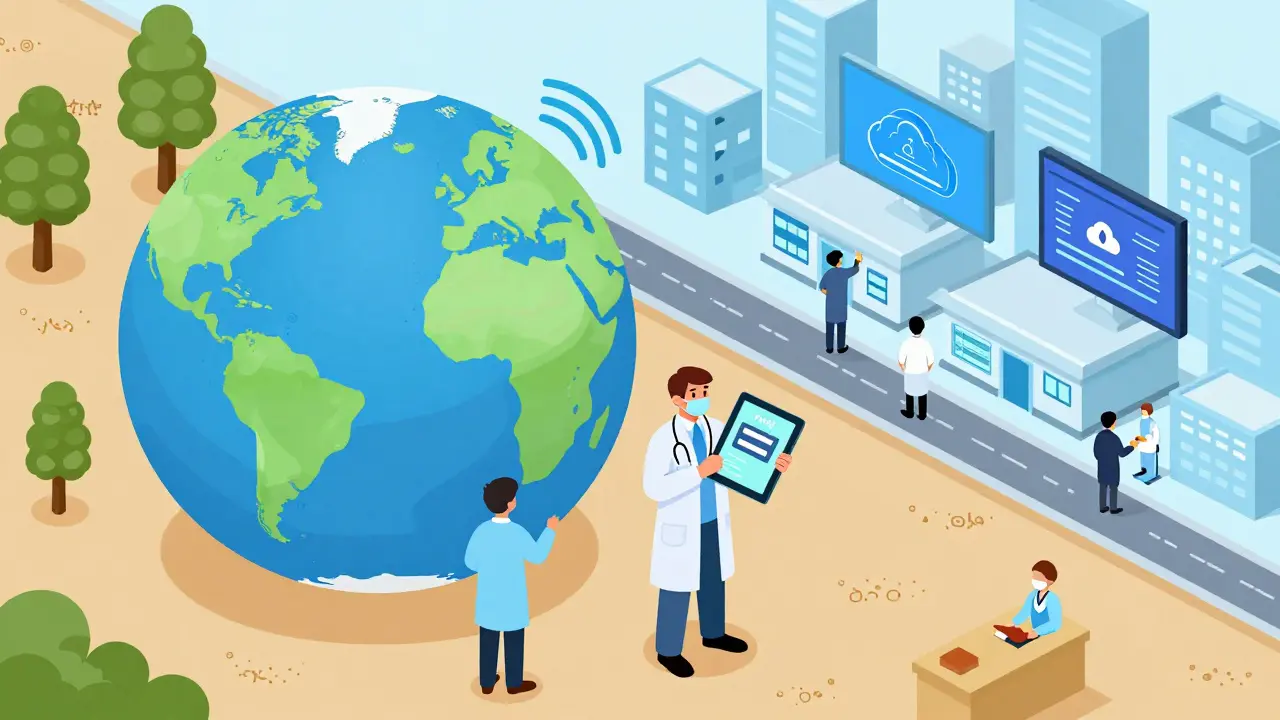
| PViMS (USAID) | Low-resource settings, LMICs | Web-based, no special hardware | Very low | Free |
| clinDataReview | Regulatory compliance, research | R-based, requires data exports | Very high (needs R skills) | Free (open source) |
| IQVIA AI Tools | Large-scale safety analysis | Requires 50,000+ patient records | Moderate to high | Enterprise pricing |
What Works in Real Life
A hospital in Ohio used Medi-Span for six months. Their system flagged 187 potential drug interactions-117 were real risks that were prevented before harm occurred. That’s not theory. That’s real patients avoiding ER visits. In Kenya, clinicians using PViMS cut their reporting time by 60%. Instead of filling out paper forms that took days to reach regulators, they clicked through pre-coded options in a simple web form. The downside? Internet outages in rural clinics broke the flow. They solved it by letting staff save reports offline and sync later when connection returned. A biotech startup switched from manual safety reports to Cloudbyz. Their team used to spend three weeks compiling quarterly safety summaries. Now, it takes four days. But getting there? Eleven weeks of data mapping, vendor calls, and training. The payoff was worth it-but only because they planned for the pain.The Pitfalls Everyone Underestimates
These tools are powerful, but they’re not magic. Here’s what goes wrong:- Alert fatigue. If every click triggers a pop-up, clinicians start ignoring them. The FDA found that 22% of false signals in 2023 came from overzealous automation. Smart systems let you tune thresholds.
- Garbage in, garbage out. If your EHR doesn’t capture why a patient stopped a drug, or if symptoms are buried in unstructured notes, the system can’t detect the problem. Natural language processing is improving-but it’s still only 65-78% accurate at pulling safety signals from clinical notes.
- Assuming AI knows best. IQVIA’s AI cuts false positives by 85%, but it still needs a human to say, “This patient has kidney disease-this reaction makes sense.” AI spots patterns. Clinicians understand context.
- Skipping training. One user on Reddit said they were told to “just use the portal.” They didn’t know how to classify a reaction as “probable” vs “possible.” Their team missed a signal for three months. Training isn’t optional-it’s the foundation.
What’s Next
The next wave of tools will predict risk before it happens. Cloudbyz’s new version uses machine learning to combine lab data, vital signs, and medication history to flag patients at high risk of liver toxicity-even before their enzymes rise. IQVIA’s AI co-pilot suggests evidence from past cases while you’re reviewing a signal, cutting validation time by 35%. The FDA is pushing for explainable AI. By 2026, any tool claiming to use artificial intelligence for safety monitoring must show how it reached its conclusion. No black boxes. That means more transparency-and better decisions. But here’s the truth: no algorithm replaces a sharp clinician who asks, “Wait, this patient just started a new herb. Did we document that?” The best tools don’t replace judgment. They amplify it.Frequently Asked Questions
Do I need special training to use a clinician portal for drug safety?
Yes. Most platforms require 80-120 hours of training to use effectively. You need to understand how to interpret alerts, classify adverse reactions using MedDRA terminology, and navigate audit trails. Skipping training leads to missed signals or alert fatigue. Even simple tools like Medi-Span require orientation to avoid ignoring critical warnings.
Are these tools only for big hospitals or pharmaceutical companies?
No. While enterprise platforms like Cloudbyz target large pharma and clinical trials, tools like Wolters Kluwer’s Medi-Span are used in 63% of U.S. physician practices. Even small clinics can access safety alerts embedded in their EHR. For low-resource settings, PViMS is free and designed for clinics with limited tech infrastructure. The key isn’t size-it’s whether your system connects to real-time clinical data.
Can these apps detect drug interactions I might miss?
Absolutely. A 500-bed hospital using Medi-Span prevented 187 potential adverse events in six months just by flagging interactions between prescription drugs and OTC supplements. These systems cross-reference thousands of known interactions in real time-something no human can do manually while managing 20 patients an hour. But they can’t catch everything. Uncommon combinations or reactions tied to genetic factors still require clinical judgment.
What if the system gives me too many false alarms?
That’s a common problem. The FDA reported that 22% of safety signals in 2023 were false positives caused by over-sensitive algorithms. Work with your safety team to adjust alert thresholds. For example, you might set the system to only flag reactions that occur within 48 hours of a new drug start, or only if multiple patients show the same symptom. Tuning alerts reduces noise and keeps clinicians engaged.
Are these platforms compliant with FDA and EMA regulations?
The best ones are. Platforms like clinDataReview and Cloudbyz are built for FDA 21 CFR Part 11 and EMA compliance-they include electronic signatures, audit trails, and validation reports. Even Medi-Span meets regulatory standards for alert documentation. If your tool doesn’t provide a traceable record of every action taken, it’s not safe for regulatory submissions. Always ask for compliance documentation before adopting a platform.
Can I use these tools if I work in a rural area with poor internet?
Yes, but with limits. PViMS, designed for low-resource settings, works offline. Clinicians can enter reports locally and sync when connectivity returns. Other platforms require constant internet access. If your clinic has unreliable service, choose a tool with offline functionality. Otherwise, you risk losing critical safety data. In 41% of PViMS sites, internet outages were a challenge-but the system was built to handle it.
What skills do I need to use these systems effectively?
You need three things: clinical pharmacology knowledge to understand drug effects, data literacy to interpret trends and alerts, and familiarity with regulatory reporting standards like MedDRA and E2B. Most organizations find that staff need 80-120 hours of training to become proficient. If you’re not comfortable with data, start with a simple tool like Medi-Span. If you’re in research or trials, expect to learn more complex platforms.
Comments (8)
Henry Ip
18 Jan 2026
Been using Medi-Span in my clinic for a year now and honestly it’s saved my butt more than once. Had a patient on warfarin start taking a new OTC fish oil supplement - system flagged it before I even clicked ‘save’. Turned out their INR was creeping up. Caught it early. No ER trip. No mess.
These tools aren’t perfect but they’re the closest thing we’ve got to a second pair of eyes.
Nicholas Gabriel
19 Jan 2026
Let me be very clear: training is not optional. It is non-negotiable. I’ve seen too many clinicians treat these portals like spam filters-ignore everything until something screams. That’s how people get hurt. You need to understand MedDRA terms, causality scales, and how to distinguish a true signal from a statistical blip. Eighty hours? That’s the bare minimum. If you’re not investing in that, you’re gambling with patient lives. And yes-I’ve seen it happen. Twice.
swarnima singh
20 Jan 2026
why do we even need all this tech? in india we just talk to patients. if they say they feel weird after a pill, we stop it. no app needed. all these portals are just corporate buzzword bingo. they make people feel safe while the real problem is doctors dont listen anymore. also why is everything so expensive? i mean pvim is free but still... its like they want us to suffer.
Isabella Reid
21 Jan 2026
Swarnima makes a good point about the human side-sometimes the simplest thing works. But I’ve also seen how tech bridges gaps in places where docs are stretched thin. In rural clinics here in the U.S., we’ve got nurses doing triple duty. A tool that auto-flags interactions? It’s not replacing judgment-it’s giving them time to use it. PViMS is a game-changer for places with spotty internet. Offline mode? Genius. We need more of that, not less.
Jody Fahrenkrug
22 Jan 2026
Just wanted to add-don’t overlook the data flow part. I work in a small practice. We used to handwrite adverse events on sticky notes and shove them in a drawer. No one ever looked at them. Then we started using the EHR’s built-in form. Now it’s automatic. Took three months to get everyone on board. Worth it. If your system still uses paper, fix it. It’s not a tech problem. It’s a culture problem.
Kasey Summerer
24 Jan 2026
So let me get this straight... we spend $78k/year on a system that tells us not to mix statins with grapefruit juice... and we’re supposed to be impressed? 😑
At least the AI co-pilot will write our notes next. Maybe it’ll also tell us when to take lunch. #AutomationIsOurOverlord
Allen Davidson
24 Jan 2026
Alert fatigue is real, but the solution isn’t turning off the alarms-it’s making them smarter. I’ve been working with our pharmacovigilance team to refine thresholds. We now only trigger alerts for events that occur within 72 hours of drug initiation, involve a known high-risk interaction, and affect at least two patients in the same cohort. That cut our false positives from 40% to 12%. We also added a ‘dismiss with reason’ field so we can track why people ignore things. Turns out, most dismissals are because the alert didn’t give context. So now we auto-populate the patient’s age, comorbidities, and recent labs. It’s not magic. It’s just good design.
john Mccoskey
26 Jan 2026
Let’s be brutally honest here: these tools are band-aids on a system that’s rotting from the inside. We’ve got clinicians drowning in EHRs, pharmacists working 12-hour shifts, and patients who can’t afford their meds-yet we’re spending six figures on software that tells us not to prescribe clarithromycin with simvastatin? That’s like putting a GPS on a sinking ship. The real problem? We don’t have enough people. We don’t have enough time. We don’t have enough funding for primary care. These portals don’t fix that. They just make us feel like we’re doing something while the structural collapse continues. And don’t even get me started on the FDA’s ‘explainable AI’ mandate-good luck explaining a neural net’s decision to a judge when a patient dies because a model missed a rare SNP interaction. The system is broken. These tools are just shiny distractions. We need systemic reform-not more algorithms.