How to Use International Mail-Order Safely and Legally (Where Allowed) in 2026
Remember when you could order a small package from overseas and it would just arrive at your door with no questions asked? That era is officially over. If you are planning to use international mail-order for medications or other goods in 2026, the rules have changed drastically. The United States Customs and Border Protection (CBP) has eliminated the long-standing duty-free allowance for most packages, creating a complex new landscape that affects everyone from casual shoppers to patients relying on affordable foreign prescriptions.
This guide cuts through the bureaucratic noise. We will explain exactly how the new August 2025 executive orders impact your wallet, what documentation you now need, and whether it is still safe and legal to order meds abroad. By the end of this article, you will know if your next international purchase is worth the hassle-or if you should look for local alternatives.
The End of the $800 Duty-Free Zone
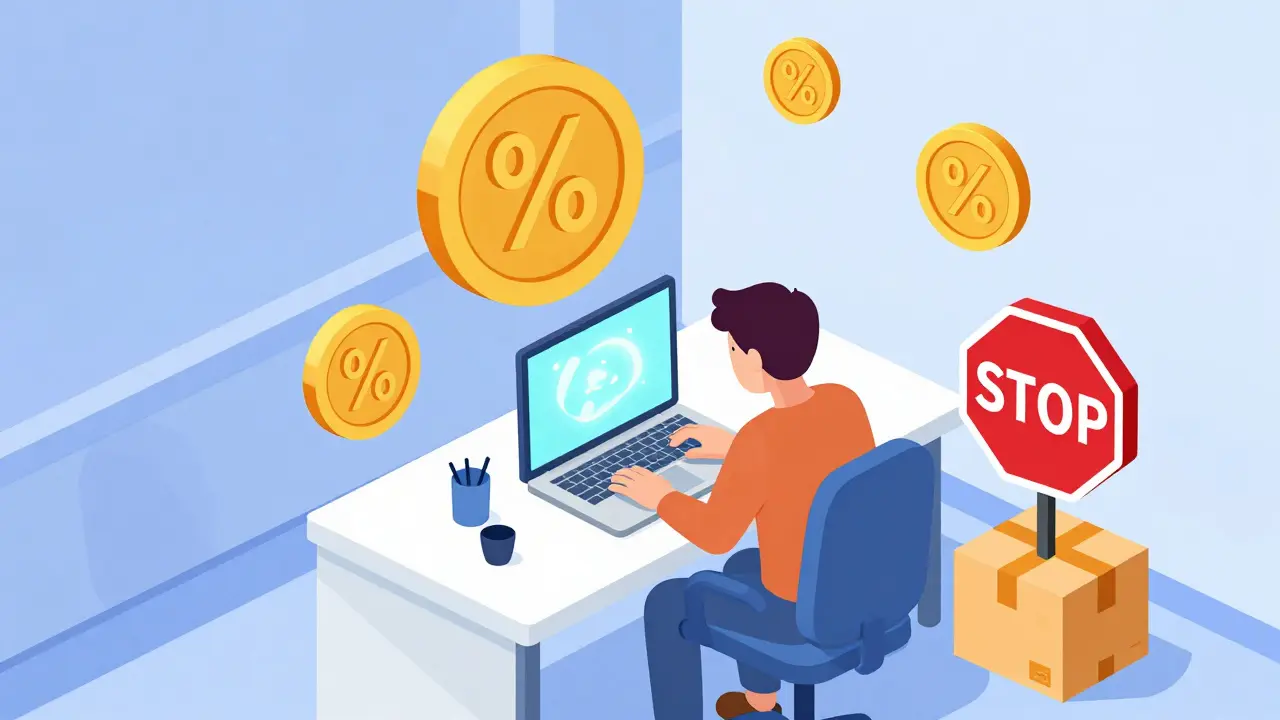
For decades, the U.S. had a de minimis threshold of $800. This meant any package valued under $800 entered the country without paying duties or taxes. It was the backbone of global e-commerce. However, starting August 29, 2025, Executive Order 14324 suspended this benefit for almost all countries.
Why does this matter to you? Because "duty" is not just a word on a form; it is real money taken from your pocket. Under the new rules, only purely private gifts valued under $100 remain exempt. If you are ordering a bottle of prescription medication, a box of supplements, or even a cheap gadget, you will likely face fees.
The CBP introduced two ways to calculate these fees during the transition period (through February 28, 2026):
- Method 1 (Ad Valorem): A percentage tariff based on the item’s value and origin country. This requires precise classification.
- Method 2 (Flat Rate): A fixed fee per item ($80, $160, or $200) depending on the tariff rate of the country of origin.
Legal Risks: Medications and FDA Regulations
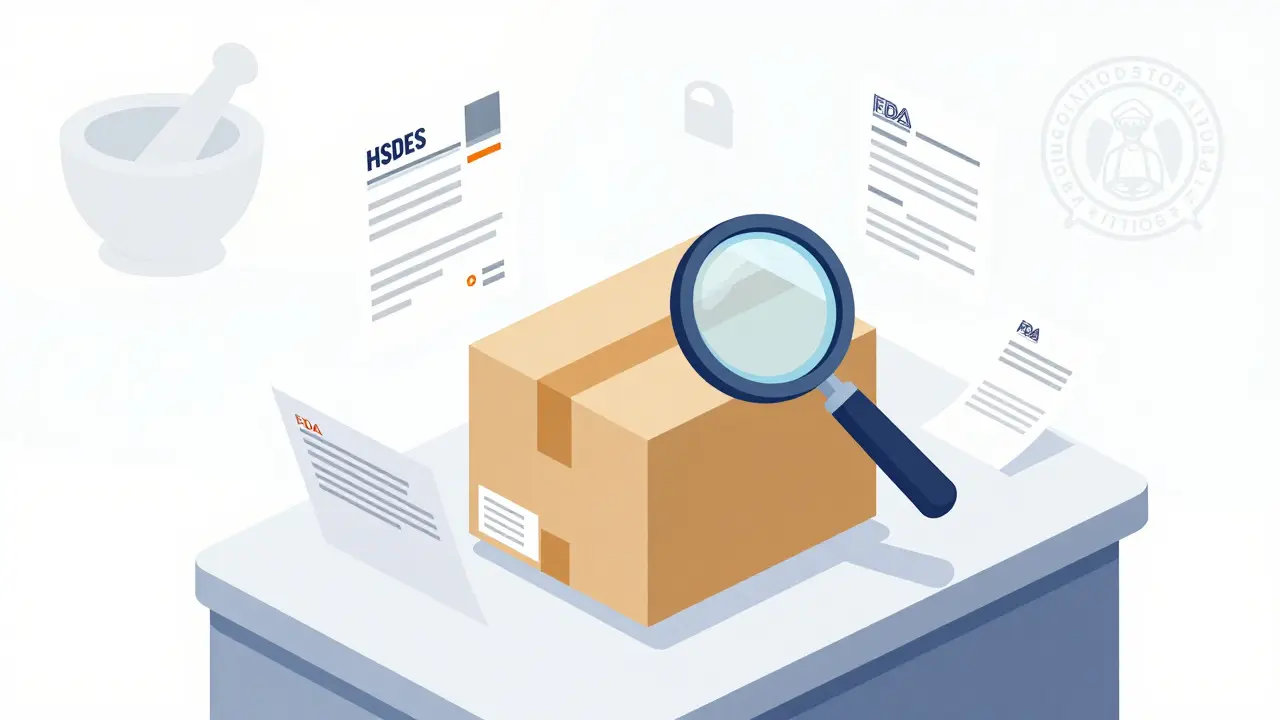
While customs duties affect everyone, importing medications carries unique legal risks. The Food and Drug Administration (FDA) strictly regulates what drugs can enter the U.S. Just because a pharmacy in another country sells a drug legally does not mean you can bring it into the U.S. legally.
There are very narrow exceptions. You may be allowed to import a personal supply of an unapproved drug if:
- You have a serious medical condition.
- No comparable approved product exists in the U.S.
New Documentation Requirements for Shippers
If you are the one sending the package (or using a service that ships for you), the paperwork burden has increased significantly. Since September 1, 2025, the USPS requires six-digit Harmonized System (HS) codes for all commercial shipments. This is not optional.
An HS code is like a fingerprint for products. It tells customs exactly what the item is. Using a generic description like "gift" or "sample" will result in delays, fines, or seizure. You need:
- A detailed commercial invoice with specific product descriptions.
- Packing lists matching the invoice.
- Certificates of Origin for certain trade agreements (like USMCA).
| Feature | Standard Postal Service | Express Carriers (DHL/FedEx/UPS) |
|---|---|---|
| Duty Handling | Often stops accepting business parcels due to complexity | Handles customs clearance as agents; smoother process |
| Cost for Low-Value Items | High relative to item value due to flat duties | Higher base rates, but predictable total cost |
| Documentation Support | Limited; relies on sender accuracy | Full brokerage services included |
| Speed | Slower, higher risk of delays | Faster, priority handling |
Who Is Responsible for Paying Duties?
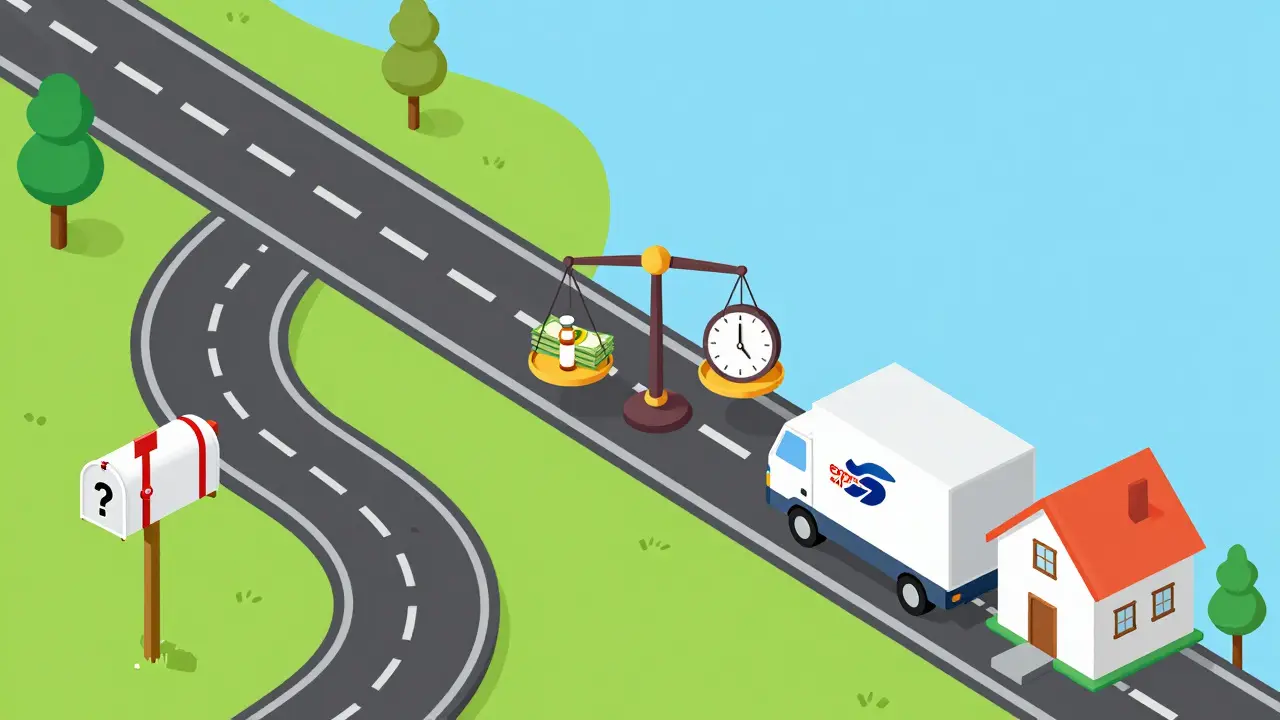
One of the biggest points of confusion in 2026 is liability. Who pays the duty if the package arrives? In many cases, the recipient (you) is responsible. However, some carriers attempt to collect duties upfront, while others bill upon delivery. If you refuse to pay, the package may be returned or destroyed.
Check the seller’s policy carefully. Some international pharmacies advertise "free shipping" but exclude duties. This is a hidden cost. Always ask: "Does this price include all U.S. customs duties and taxes?" If the answer is vague, walk away. A clear, reputable seller will provide a landed cost estimate before checkout.
Safety Tips for Ordering Medications Abroad
If you decide to proceed with international mail-order for medications, prioritize safety above savings. Here are concrete steps to protect yourself:
- Verify the Pharmacy: Look for accreditation from organizations like VIPPS (Verified Internet Pharmacy Practice Sites) or equivalent bodies in the country of origin. Avoid sites that do not require a valid prescription.
- Check for Red Flags: Be wary of prices that seem too good to be true. They usually are. Counterfeit drugs often contain incorrect dosages or harmful substances.
- Consult Your Doctor: Inform your healthcare provider about your intention to import medication. They can advise on potential interactions and legality.
- Use Trackable Shipping: Never use untracked mail for medications. You need proof of delivery and chain of custody.
- Start Small: Order a single month’s supply first to test the process, quality, and customs experience before committing to larger quantities.
The Future of Cross-Border Shopping
The shift away from low-value international mail-order is permanent. Industry experts predict that up to 40% of current volume will move to alternative channels, such as regional distribution centers or local warehousing. This means fewer direct imports from overseas and more domestic fulfillment.
For consumers, this implies that the convenience of clicking "buy" on a global site is diminishing. The administrative burden-calculating HS codes, paying duties, navigating FDA rules-is shifting back to the buyer. While large corporations can absorb these costs, individual buyers feel the pinch. Consider this: is saving $20 on a medication worth risking seizure, paying $80 in duties, and dealing with weeks of delay? For many, the answer is no.
As we move further into 2026, expect more consolidation in the shipping sector. Major players like DHL, FedEx, and UPS are positioning themselves to dominate the remaining market because they have the infrastructure to handle customs compliance. Smaller postal operators are exiting the U.S. market entirely. Adapt by choosing reliable, bonded carriers and understanding that "international" no longer means "easy."
Can I still order prescription drugs from Canada or Mexico?
Yes, but with strict limitations. You can generally import a 90-day supply for personal use if it is not a controlled substance and you have a valid prescription. However, you must still comply with new customs duty rules. Even if the FDA allows entry, CBP may charge duties based on the new ad valorem rates. Always declare the true value of the shipment.
What happens if my package is seized by Customs?
If CBP seizes your package, you typically lose both the item and the money paid. Seizures occur for undeclared items, prohibited substances, or counterfeit goods. You may receive a notice explaining the reason. There is rarely a refund from the carrier or seller unless they guaranteed delivery against customs action, which is rare.
Do I need an HS code for personal gifts?
Purely private gifts under $100 are exempt from duties and do not strictly require HS codes for entry, but providing them speeds up processing. Commercial shipments, including those from online pharmacies, always require accurate six-digit HS codes. Mislabeling a commercial order as a gift is illegal and can lead to penalties.
Is it cheaper to use DHL or USPS now?
For low-value items, neither may be cost-effective due to new duties. However, DHL and other express carriers often provide clearer duty estimates and handle customs clearance more efficiently. USPS standard mail may stop accepting business parcels altogether. Calculate the total landed cost (item + shipping + duty) for both options before deciding.
Will these rules change back in the future?
Current policy indicates these changes are long-term. The elimination of the de minimis threshold is part of a broader trade strategy. While specific rates may adjust, the trend toward stricter oversight and duty collection on low-value imports is expected to continue throughout 2026 and beyond.