
Palliative Care in Cancer: How to Control Pain and Improve Quality of Life
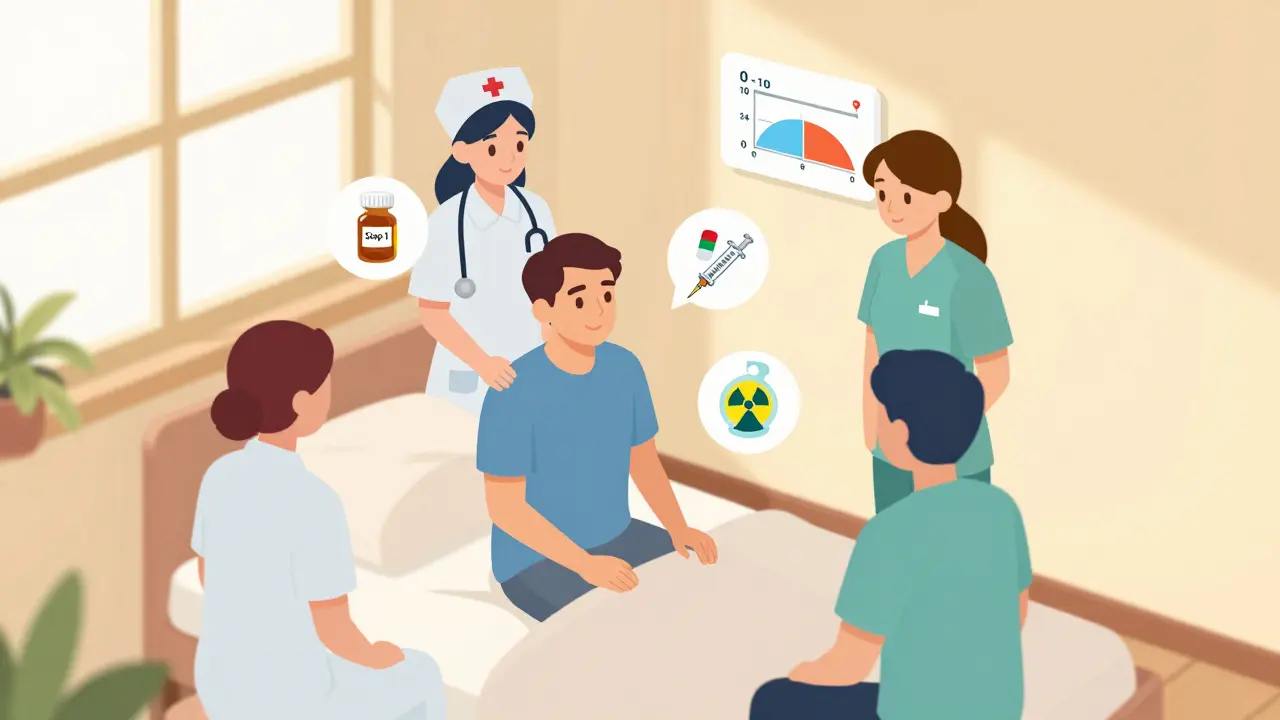
When someone is living with advanced cancer, the goal shifts from curing the disease to making sure they feel as well as possible. This is where palliative care comes in-not as a last resort, but as a vital part of treatment from the very beginning. The truth is, most people with cancer will face pain at some point. But here’s the good news: 80 to 90% of that pain can be controlled effectively. It’s not about giving up. It’s about living better, with less suffering.
How Cancer Pain Works
Cancer pain isn’t one thing. It can be sharp, burning, aching, or feel like pressure. It might come from the tumor pressing on nerves, bones, or organs. Or it could be from treatment-like chemotherapy damaging nerves, or surgery leaving behind scar tissue. Some people describe it as a constant dull ache. Others say it flares up suddenly, like a lightning strike. The key is that pain isn’t just physical. It affects sleep, mood, appetite, and the ability to talk with loved ones. If pain isn’t managed, it doesn’t just hurt-it isolates.The Three-Step Ladder for Pain Control
The World Health Organization laid out a simple, proven system over 30 years ago, and it’s still the backbone of pain management today. It’s called the analgesic ladder, and it works like this:- Step 1 (Mild pain): Start with non-opioid medicines. Acetaminophen (up to 4,000 mg a day) or NSAIDs like ibuprofen (400-800 mg three times daily) are often enough. These help with inflammation and mild discomfort.
- Step 2 (Moderate pain): If pain doesn’t improve, add a weak opioid. Codeine (30-60 mg every 4 hours) is commonly used. It’s not as strong as morphine, but it works well when combined with acetaminophen.
- Step 3 (Severe pain): For intense, constant pain, strong opioids like morphine are needed. The starting dose is usually 5-15 mg every 4 hours by mouth. This isn’t about addiction-it’s about restoring comfort. Doses are adjusted based on how the body responds.
Each step builds on the last. You don’t jump to morphine unless you need it. But if you need it, you shouldn’t wait.
What Happens When Opioids Don’t Work Alone
Sometimes, pain isn’t just from the tumor. It can be nerve pain-burning, tingling, shooting. That’s where adjuvant medicines come in. These aren’t painkillers in the traditional sense, but they calm overactive nerves:- Gabapentin: Used for nerve pain. Doses range from 100 to 1,200 mg three times a day. It can make you drowsy at first, but that usually fades.
- Duloxetine: An antidepressant that also helps with nerve pain. 30-60 mg daily is typical. It takes a few weeks to build up in your system.
- Dexamethasone: A steroid that reduces swelling around tumors. 4-16 mg daily can ease bone pain and improve appetite.
These aren’t optional extras. They’re essential tools. A 2019 NCCN guideline found that patients who got these added to their pain plan reported 40% better pain control than those who only got opioids.
When Pain Flares Up Between Doses
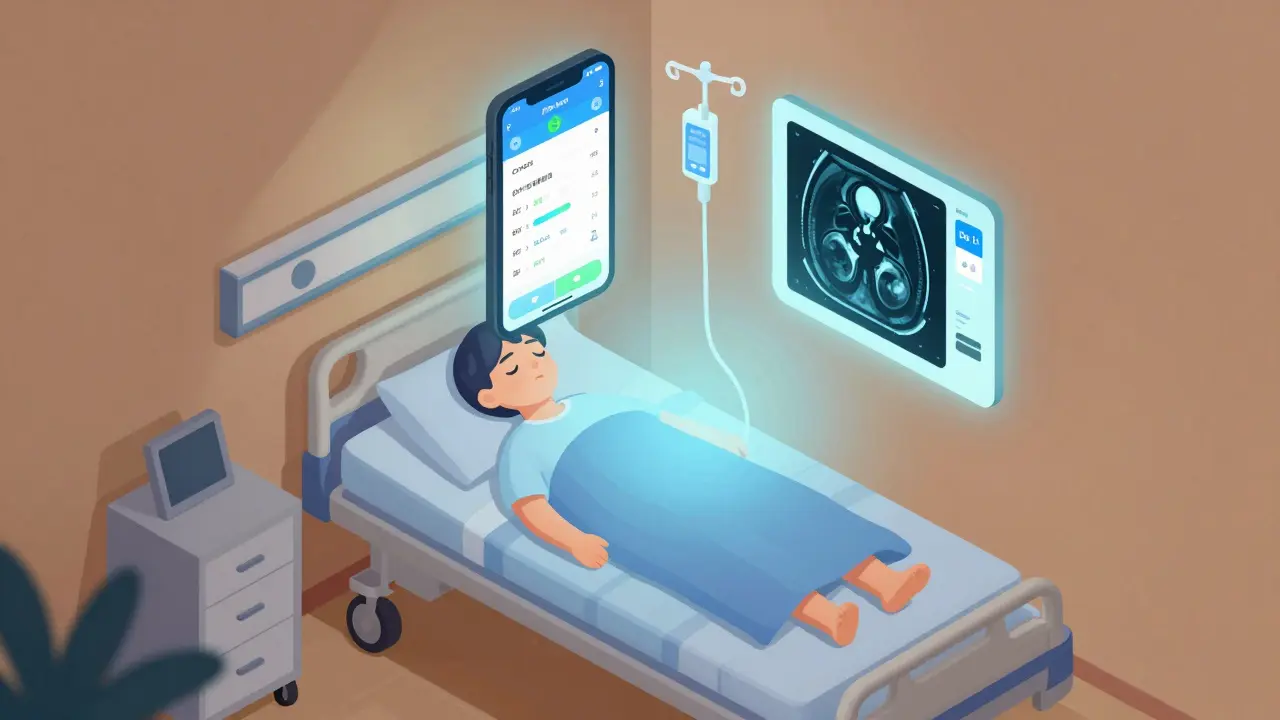
Scheduled doses keep pain steady, but breakthrough pain-sudden spikes-can still happen. That’s why doctors prescribe extra doses. If someone takes 60 mg of morphine a day, they’ll also get a breakthrough dose of 6-9 mg (10-15% of the total) whenever pain spikes. This is normal. It doesn’t mean the treatment is failing. It means the system is working.But here’s the catch: many patients don’t get these breakthrough doses because providers are afraid of overprescribing. That’s a mistake. The CDC now explicitly says cancer pain is different from chronic non-cancer pain. You can-and should-use higher opioid doses if needed. The goal isn’t to avoid opioids. It’s to avoid pain.
Radiotherapy and Bone Pain
If cancer has spread to the bones, pain can be crushing. Radiation therapy is one of the most effective tools here. A single 8 Gy dose-a quick, outpatient session-can reduce pain in over 70% of patients. For some, multiple sessions totaling 20-30 Gy are needed. This isn’t about killing more cancer. It’s about stopping the pain. When combined with bisphosphonates like zoledronic acid (given IV every 3-4 weeks), bone pain control improves even more. Many patients say they can sleep again after just one treatment.It’s Not Just About Medicine
Palliative care isn’t a pill. It’s a team. Nurses, social workers, chaplains, psychologists-they all play a role. The NCCN says every cancer center should have a palliative care team available within 24 hours. Why? Because pain isn’t just a number on a scale. It’s tied to fear, loneliness, and loss.Studies show that when palliative care starts early-within 8 weeks of diagnosis-patients report 20-30% better quality of life. Some even live longer. One major study found patients who got early palliative care lived 2.5 months longer than those who didn’t. Not because of new drugs. Because they were heard. Because their pain was treated. Because they could talk about what mattered.
Barriers That Still Exist
Despite all the science, pain is still under-treated. Why?- Doctors don’t ask enough. A 2017 study found 40% of oncology nurses hadn’t been trained in current pain guidelines.
- Patients are scared. Over 65% of cancer patients worry about addiction. But addiction is rare in people taking opioids for cancer pain. The fear is real, but the risk isn’t.
- Insurance won’t cover it. Massage, acupuncture, counseling-these help. But many plans won’t pay for them.
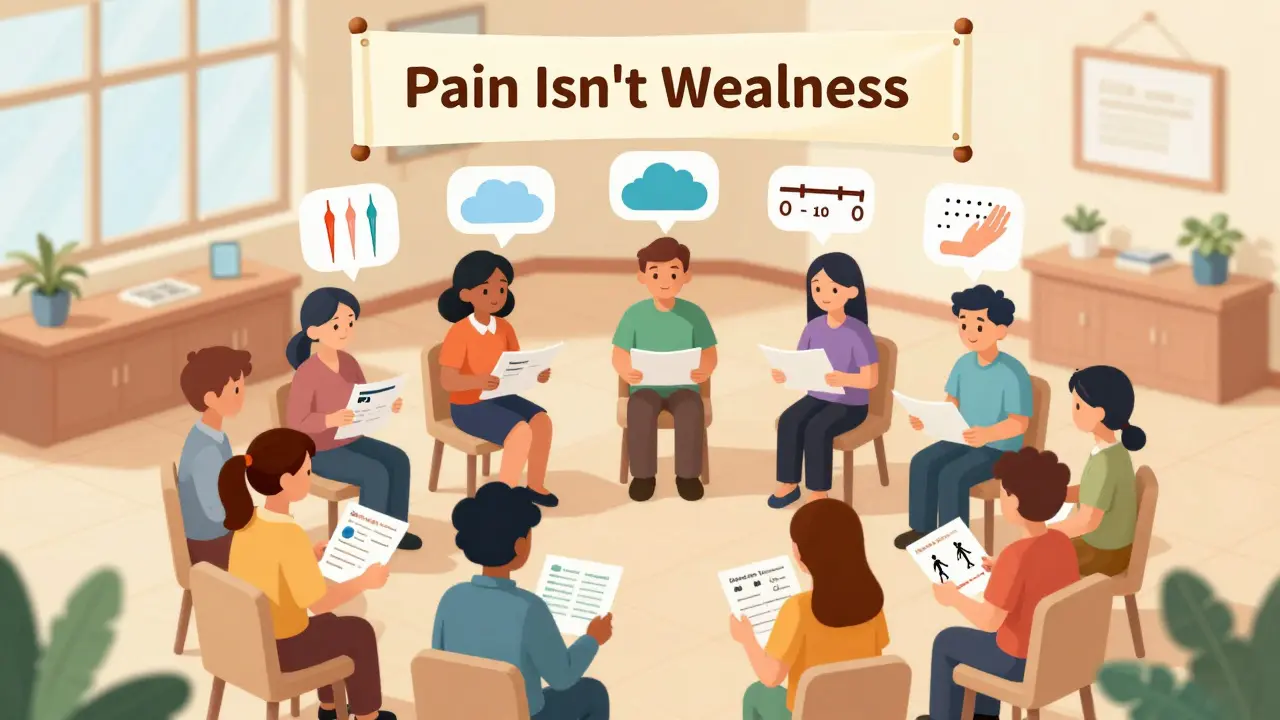
- Cultural silence. In some communities, showing pain is seen as weakness. One study found 28% of Asian and Hispanic patients underreported pain because they didn’t want to be a burden.
These aren’t medical problems. They’re system problems. And they’re fixable.
What’s New in 2026
The field is moving fast. In 2023, researchers started using genetic tests to see how a person’s body processes opioids. Some people metabolize morphine too quickly. Others too slowly. Testing for CYP450 enzyme variants can help doctors pick the right drug and dose from day one.Smartphone apps are now used to track pain in real time. One 2021 study showed patients who logged their pain daily had 22% more accurate records than those who only reported during visits. That means fewer guesswork adjustments and faster relief.
And there’s hope on the horizon. Twelve new non-opioid drugs are in late-stage trials, targeting cancer-specific pain pathways-like nerve compression and bone destruction. These could replace opioids for many in the next few years.
What You Can Do
If you or someone you love has cancer:- Ask for a pain assessment at every visit. It should be part of the check-in, like checking blood pressure.
- Use the 0-10 scale. “It’s a 7” is better than “It’s bad.”
- Speak up about side effects. Drowsiness? Constipation? Nausea? These are fixable.
- Ask if palliative care is available. Don’t wait until things get worse.
- Know that pain control is not giving up. It’s taking back control.
There’s no shame in needing help. There’s no weakness in asking for relief. Pain doesn’t have to be part of the journey. It can be managed. It should be managed. And it can be.
Is palliative care only for people who are dying?
No. Palliative care is for anyone living with a serious illness like cancer, no matter the stage. It can start at diagnosis and run alongside treatments like chemotherapy or surgery. The goal is to improve quality of life-not to delay or replace cure-focused care.
Will opioids make me addicted if I take them for cancer pain?
The risk of addiction is very low when opioids are used as prescribed for cancer pain. Studies show less than 1% of cancer patients develop substance use disorders. The bigger risk is uncontrolled pain, which can lead to depression, sleep loss, and isolation. Opioids are tools to restore comfort, not to create dependence.
What if my pain doesn’t improve with the first treatment?
Pain management is rarely a one-size-fits-all solution. If the first plan doesn’t work, your team should adjust it. This might mean changing the opioid, adding an adjuvant drug like gabapentin, or trying radiation. Doses are titrated up gradually. If opioids cause side effects, switching to another opioid-like morphine to fentanyl-is common and safe.
Can non-medical treatments help with cancer pain?
Yes. Massage, acupuncture, guided imagery, and gentle movement like tai chi have been shown to reduce pain and anxiety. These aren’t alternatives to medicine-they’re complements. Insurance coverage varies, but many palliative care teams offer these services as part of a holistic plan.
Why do some doctors hesitate to prescribe strong pain meds?
Some fear legal or regulatory backlash, especially with rising concerns about opioid misuse. But cancer pain is an exception under updated CDC guidelines. The real issue is lack of training. Many providers weren’t taught how to titrate opioids safely for cancer patients. Asking for a palliative care consult can help bridge that gap.
How do I know if my pain is being managed well?
You should be able to sleep, eat, talk with family, and do small daily tasks without being held back by pain. If your pain score stays above 3-4 on a 0-10 scale for more than a few days, or if side effects like nausea or confusion are worse than the pain, your plan needs adjustment. Your team should check in every 24-48 hours during titration.
Comments (8)
Kal Lambert
19 Mar 2026
Pain control isn't about drugs. It's about dignity. If you can sleep, eat, or hold your grandkid's hand without wincing, that's the win. No stats needed.
cara s
19 Mar 2026
I have to say, as someone who has watched a parent go through stage IV pancreatic cancer, the difference between receiving palliative care at week 2 versus week 12 was the difference between watching someone fade away and watching someone actually live. The team didn't just manage pain-they managed fear. They managed isolation. They managed the silence that comes when no one knows what to say. I didn't know that was part of medicine until it was the only thing that kept my mother from disappearing into the numbness. I wish every oncologist had to sit through one full week of palliative care rounds before they got to prescribe chemo.
Ayan Khan
20 Mar 2026
What struck me most is how this mirrors the Indian approach to suffering-endure it quietly, don't burden others. But here, the science says: speak up. Ask for the extra dose. Demand the acupuncture. The system isn't broken because we lack medicine-it's broken because we still think pain is a moral test. In my village, we say, 'A silent man carries the mountain.' But modern palliative care says: 'Let someone help you carry it.' That shift? It's revolutionary.
Shameer Ahammad
21 Mar 2026
Let me be clear: the WHO ladder is outdated. It assumes patients are compliant, literate, and have access to pharmacies. In rural India, acetaminophen is sold without prescription but often expired. Codeine? Hard to find. Morphine? Requires a government permit and a 3-week wait. This article reads like a luxury pamphlet from a Geneva conference. Meanwhile, my cousin in Bihar is crushing ibuprofen tablets like candy because she can't afford the next dose. Palliative care isn't a protocol-it's a privilege. And privilege doesn't cure pain.
Manish Singh
23 Mar 2026
I work in oncology nursing. We had a patient last month-82, lung cancer, refused opioids because he thought they were 'for addicts.' We tried gabapentin. It made him dizzy. We tried dexamethasone. He ate for the first time in weeks. Then we added one low-dose morphine tablet at night. He called his daughter. Sang her a lullaby he hadn't sung in 15 years. That's not medicine. That's magic. And it costs less than a Netflix subscription. Why aren't we doing this for everyone?
Amadi Kenneth
23 Mar 2026
Wait… so you’re telling me the government and Big Pharma are letting people die in pain… but suddenly they’re 'inventing' non-opioid drugs in 2026? That’s not innovation-that’s delay. And those 'smartphone apps'? They’re tracking you. Every pain log, every dose, every tear. Who’s accessing that data? Insurance companies? Employers? The FDA? I’ve seen what happens when pain becomes a metric. It becomes a target. And targets get silenced. This isn’t care. It’s surveillance with morphine.
Nilesh Khedekar
25 Mar 2026
lol so opioids are safe for cancer? yeah right. remember the 2010s? everyone got hooked and then the docs blamed the patients? and now they're like 'oh but cancer is different!'-wait till the insurance companies start denying non-opioid alternatives because 'opioids are fine'... and don't even get me started on dexamethasone-steroids make you look like a balloon and feel like a zombie. i know a guy who lost his job because he 'looked high' while on it. this whole system is a scam. they want you numb, not well.
Robin Hall
26 Mar 2026
The cited NCCN guidelines, while seemingly authoritative, originate from institutions with significant pharmaceutical funding. The 40% improvement metric for adjuvant therapies lacks independent replication. Furthermore, the assertion that addiction risk is 'less than 1%' is drawn from a 2015 meta-analysis that excluded patients with prior substance use disorders-a significant population in oncology. The 2023 genetic testing claim is particularly alarming: CYP450 phenotyping is not yet validated for routine clinical use in palliative settings. One must question whether this narrative is evidence-based-or merely a marketing pipeline for next-generation analgesics.