Safe Self-Care: A Complete Guide to Over-the-Counter Medications
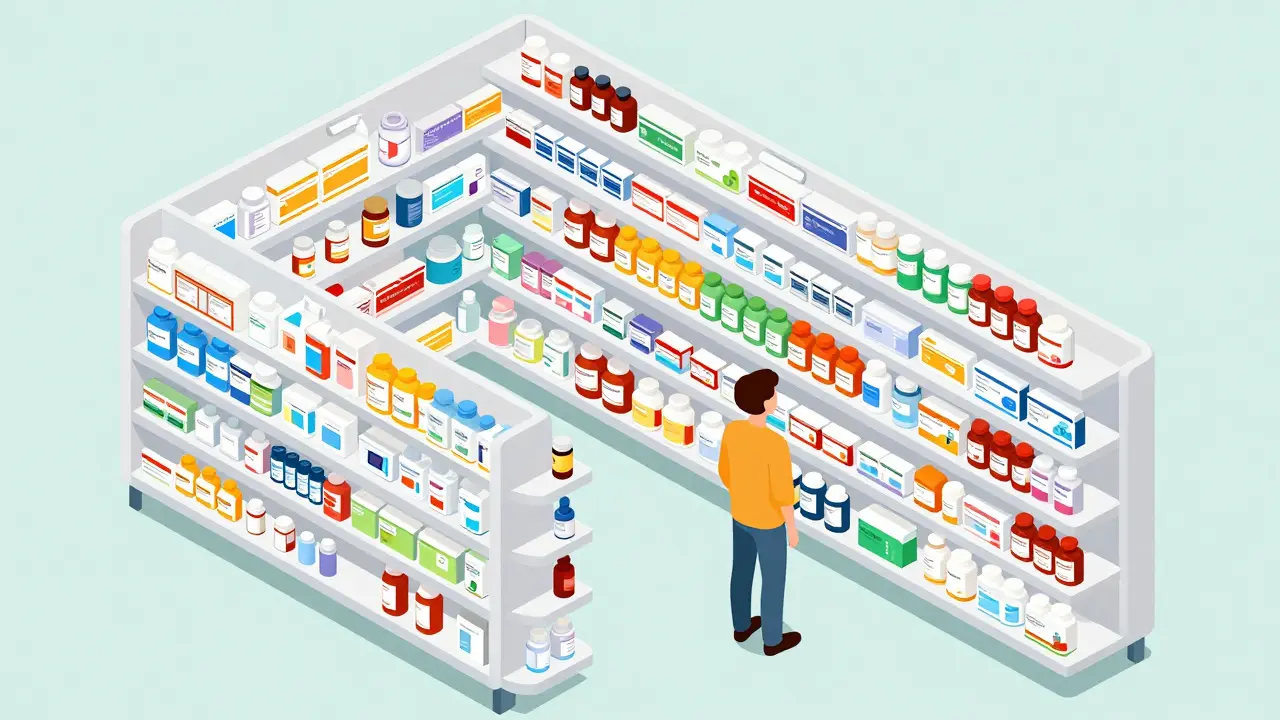
Walking down the pharmacy aisle can feel like a puzzle. Between the neon packaging and the endless rows of "extra strength" or "maximum relief" formulas, it is easy to grab the first thing that looks right. But here is the truth: just because a drug doesn't require a prescription doesn't mean it's risk-free. In fact, the perception that these products are universally safe often leads to dangerous complacency, resulting in thousands of emergency room visits every year due to simple dosing mistakes.
Whether you are treating a stubborn headache or a seasonal cold, the goal of self-care is to get back on your feet without accidentally causing more harm than good. To do that, you need to understand what is actually in those bottles and how those chemicals interact with your specific health history. This guide breaks down the essentials of over-the-counter medications so you can manage your health with confidence.
The Basics of OTC Medications
Over-the-counter medications is a category of pharmaceutical products available for purchase without a prescription that allow individuals to treat minor ailments and manage symptoms independently. These products are regulated by the FDA to ensure they are safe and effective before they ever hit the shelves.
While most of us think of pills for pain or coughs, the OTC world is much broader. It includes everything from fluoride toothpastes and antimicrobial mouthwashes to dandruff shampoos containing zinc pyrithione. Currently, there are over 300,000 marketed products covering roughly 80 different therapeutic categories. This massive variety is great for accessibility, but it means the responsibility for safe use falls squarely on the consumer.
| Category | Common Example | Primary Use | Key Attribute |
|---|---|---|---|
| Analgesics | Acetaminophen | General pain, fever | Easy on the stomach |
| NSAIDs | Ibuprofen | Inflammation, muscle aches | Reduces swelling |
| Gastrointestinal | Bismuth subsalicylate | Upset stomach, diarrhea | Protective coating |
| Respiratory | Guaifenesin | Chest congestion | Expectorant action |
Pain Management: Choosing the Right Relief
When you have a headache or a sore joint, you usually choose between two main paths: acetaminophen or NSAIDs. Picking the wrong one isn't just about effectiveness-it can be a matter of safety.
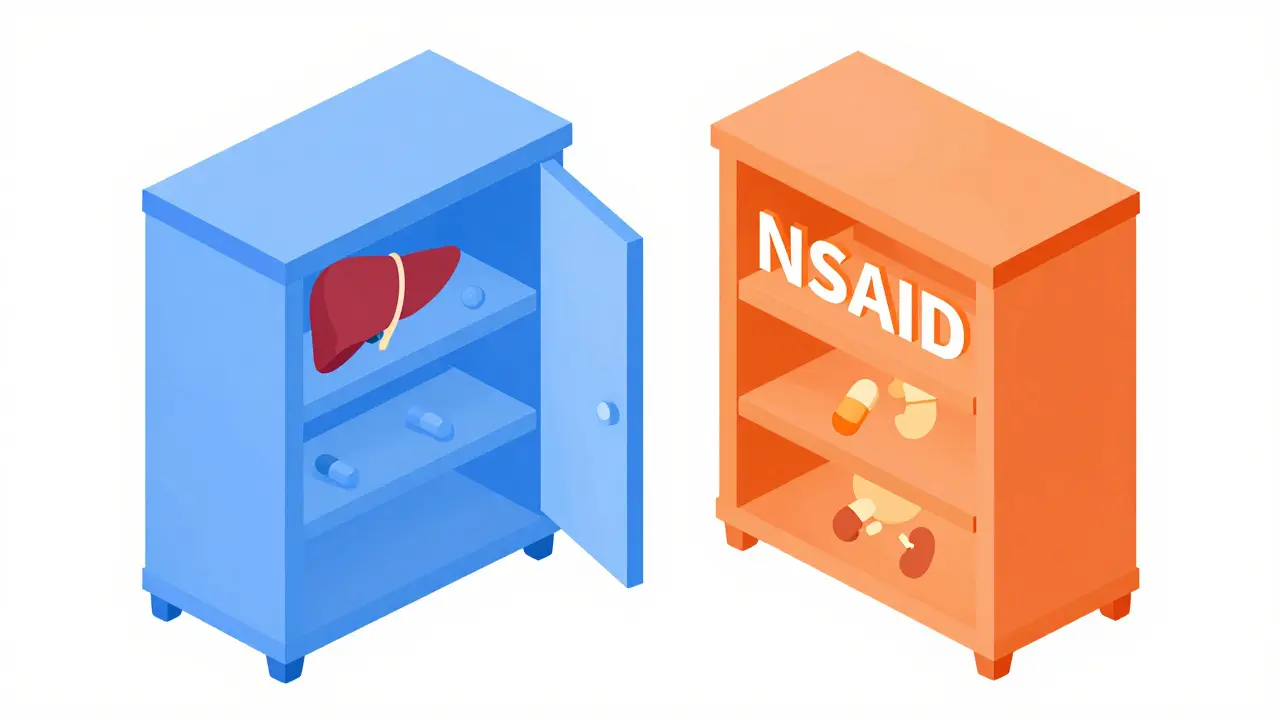
Acetaminophen (commonly known as Tylenol) is a non-aspirin pain reliever and fever reducer that works primarily in the central nervous system. It is generally the first-line choice for headaches and general body pain because it doesn't irritate the stomach lining. However, the risk here is the liver. The maximum daily dose for a healthy adult is 3 grams (3,000 mg). If you exceed this-which is easier than you think when taking multiple "multi-symptom" cold medicines-you risk severe liver damage.
NSAIDs (Nonsteroidal Anti-inflammatory Drugs) include Ibuprofen (Advil, Motrin) and Naproxen sodium (Aleve). Unlike acetaminophen, these target inflammation. If you have a swollen ankle or arthritis, these are your best bet. But they come with a warning: NSAIDs can be dangerous for people with asthma, unstable high blood pressure, or stomach ulcers. Because they can irritate the gastrointestinal tract, misuse of NSAIDs leads to thousands of hospitalizations annually due to gastrointestinal bleeding.
The Danger of "Multi-Symptom" Formulas
It seems convenient to buy one pill that treats your cough, runny nose, and fever all at once. However, this is where many people run into trouble. Many multi-symptom products contain a combination of active ingredients that overlap. For example, you might take a "Severe Cold" pill that contains acetaminophen, and then take a separate Tylenol for your headache. Without realizing it, you've doubled your dose.
Many users also struggle with the timing of these formulas. A common mistake is accidentally taking a nighttime formula containing diphenhydramine-which causes drowsiness-when you actually need a daytime version to stay alert. To avoid this, look for single-ingredient products. While multi-symptom formulas make up a huge chunk of respiratory sales, many healthcare experts prefer single-ingredient options because you only treat the symptoms you actually have, reducing the chemical load on your body.
Reading the Drug Facts Label
The Drug Facts Label is a standardized format mandated by the FDA since 1999 to provide essential medication information in a clear, consistent way. It contains 11 critical elements, and skipping any of them can be a mistake.
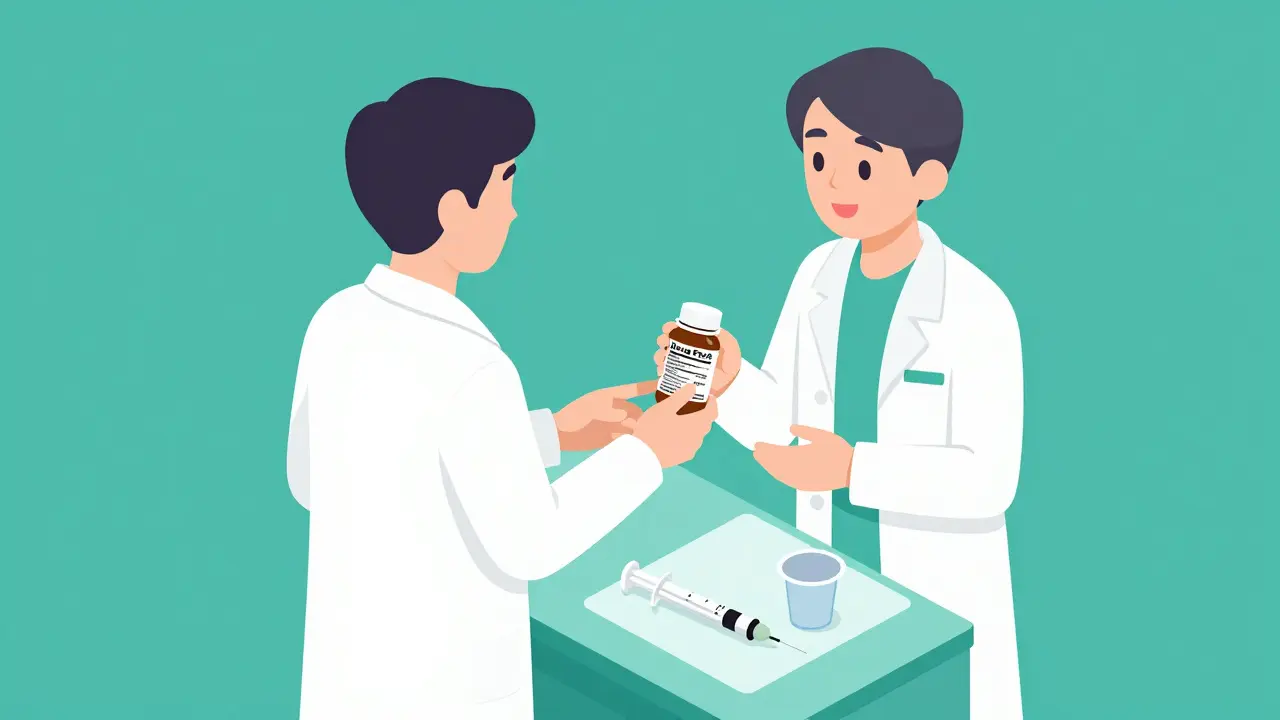
The most common errors happen during dosage calculation. This is especially true for liquid medications, where a household spoon isn't an accurate measuring tool. Always use the dosing cup or syringe provided with the product. If the label says "do not exceed 6 tablets in 24 hours," that is a hard limit, not a suggestion. Overdosing doesn't just make the medicine "stronger"; it can lead to toxicity.
You should also check the expiration date. Most OTC drugs have a shelf life of 2 to 3 years. While an expired pill might not become poisonous, it often loses its potency, meaning you aren't getting the dose you think you are. Store your medications in a cool, dry place-ideally below 77°F (25°C)-to keep them stable.
When to Stop Self-Care and Call a Doctor
Self-care is a powerful tool, but it has limits. You should stop using OTC medications and seek professional help if:
- Symptoms persist for more than 7 to 10 days despite treatment.
- You experience an unexpected rash, itching, or swelling (potential allergic reaction).
- A fever spikes suddenly or doesn't respond to medication.
- You are taking five or more prescription medications (polypharmacy), as the risk of a drug interaction increases significantly.
Pharmacists are your best unpaid resource. They can identify contraindications-reasons why a specific drug might be dangerous for your specific health profile-and check for interactions with your current prescriptions. A simple five-minute conversation with a pharmacist can reduce the risk of inappropriate medication selection by nearly half.
Can I take ibuprofen and acetaminophen together?
Generally, yes, because they work through different mechanisms and are processed by different organs (acetaminophen by the liver, ibuprofen by the kidneys). However, this should only be done under guidance or for short periods. Combining them increases the risk of side effects if the dosage isn't carefully managed.
What happens if I take too much acetaminophen?
Acetaminophen overdose is a leading cause of acute liver failure. Because it is found in many different products (cold medicine, sleep aids, pain relievers), it is easy to accidentally exceed the 3,000mg daily limit. If you suspect an overdose, seek emergency medical care immediately, even if you feel fine, as liver damage symptoms can take days to appear.
Are store-brand (generic) OTC drugs as good as name-brand ones?
Yes. Generic medications must contain the same active ingredients and meet the same FDA safety and efficacy standards as the name-brand versions. The primary difference is usually the price and the inactive ingredients (like fillers or dyes), which rarely affect the drug's performance.
Why are some cold medicines kept behind the pharmacy counter?
Products containing pseudoephedrine are restricted because they can be used as a precursor to manufacture methamphetamine. This is why many states require a photo ID to purchase these specific decongestants.
How should I dispose of expired OTC medications?
Do not flush medications down the toilet or pour them down the sink, as this contaminates water supplies. The best method is to take them to a pharmacy that offers a drug take-back program or follow local hazardous waste guidelines.
Next Steps for Safe Usage
If you are starting a new self-care routine, start with a simple three-step verification: First, make sure your symptoms actually match the labeled use of the drug. Second, check the active ingredients to ensure you aren't taking the same drug twice in different products. Third, verify the dose based on your age and weight.
For those managing chronic conditions or taking multiple prescriptions, the best next step is to request a free medication review from your pharmacist. They can help you build a "safe list" of OTC products that won't clash with your existing healthcare plan, ensuring your path to recovery is safe and efficient.