
FDA Serious Adverse Events Explained: What Patients Need to Know
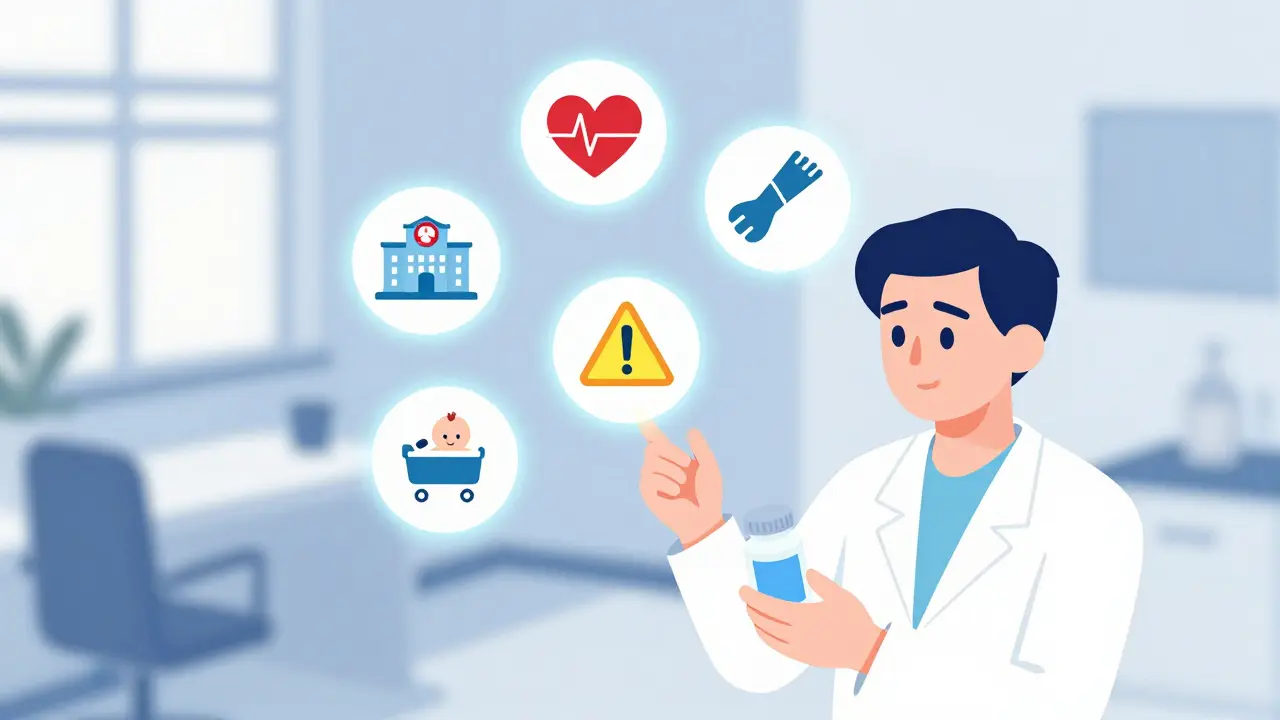
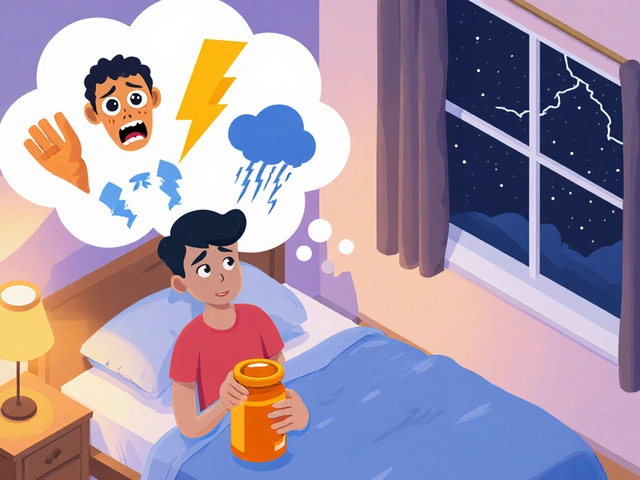
When you’re taking a new medication or joining a clinical trial, you might see the term serious adverse event in your paperwork. It sounds scary. And it should - because it’s meant to flag real risks. But here’s the thing most patients don’t realize: serious doesn’t mean the same thing as severe. Confusing these two is one of the biggest reasons people panic over side effect lists they don’t understand.
What Exactly Is a Serious Adverse Event?
The U.S. Food and Drug Administration (FDA) defines a serious adverse event (SAE) as any bad medical outcome linked to a drug, vaccine, or medical device that leads to one of five specific, life-altering results. It doesn’t matter if the event was caused by the product - if it meets one of these criteria, it’s serious. Here’s what counts:- Death - even if it’s suspected, not proven, to be linked to the treatment
- Life-threatening - meaning you were in danger of dying at the time it happened
- Hospitalization - either you had to be admitted, or your stay got longer by at least 24 hours
- Disability or permanent damage - something that seriously messes up your daily life, like losing feeling in your limbs or lasting vision loss
- Birth defect - if you’re pregnant and the treatment causes a problem with the baby
Why This Matters More Than You Think
This isn’t just paperwork. The FDA uses SAE reports to catch hidden dangers after a drug hits the market. In 2022 alone, this system helped trigger 128 safety alerts and 47 changes to drug labels - like adding new warnings or restricting who can take the medicine. Think about it: if a new diabetes drug causes a rare but deadly heart rhythm issue in 1 out of 10,000 patients, doctors might not notice it until hundreds of thousands have taken it. But if even a few of those patients report hospitalization or near-death episodes, the FDA sees the pattern. That’s how they caught the heart risks linked to certain weight-loss drugs and pulled them from the market. And it’s not just drugs. Medical devices like hip implants or pacemakers are tracked the same way. A broken implant that requires emergency surgery? That’s an SAE. A breathing machine that causes lung damage? Also an SAE.Severe vs. Serious: The Big Mix-Up
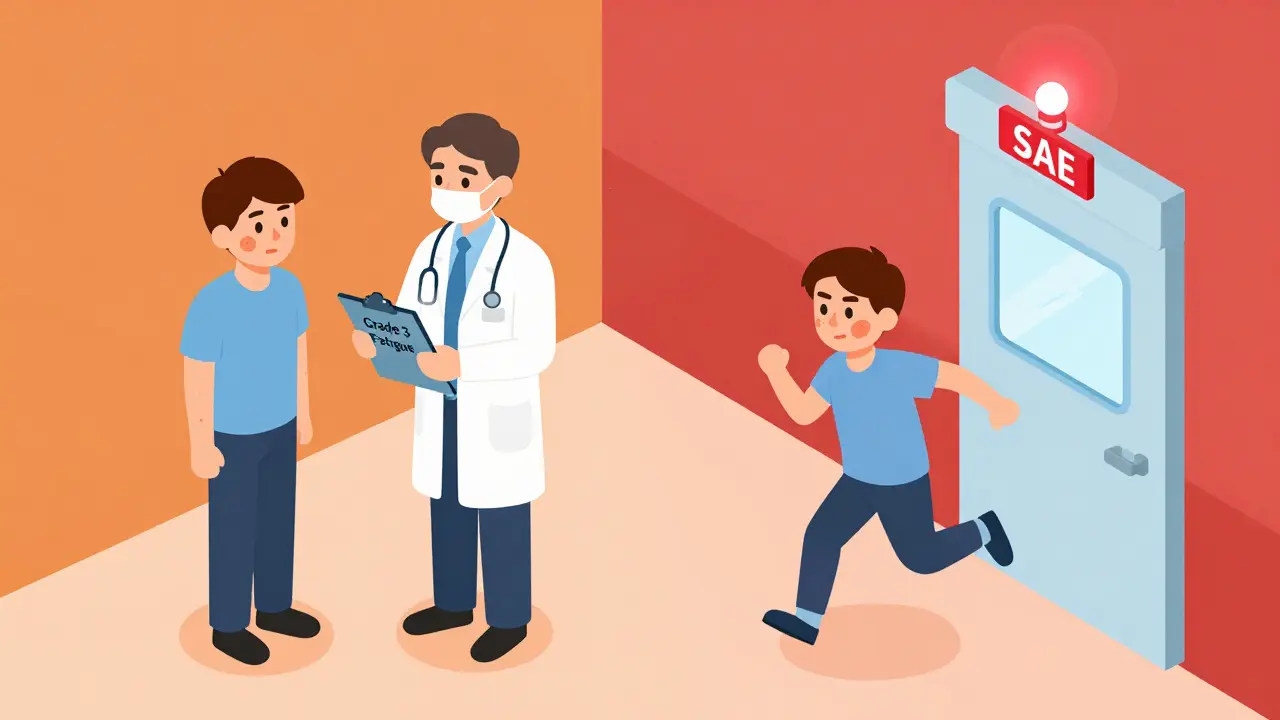
This is where most patients get lost. A severe side effect is about how bad you feel. The National Cancer Institute uses a scale:- Grade 1 - mild, like a slight headache
- Grade 2 - moderate, maybe nausea that keeps you from eating
- Grade 3 - severe, like vomiting so bad you need IV fluids
- Grade 4 - life-threatening, like a dangerous drop in white blood cells
- Grade 5 - fatal
How Do You Spot SAEs in Your Documents?
If you’re taking a prescription, check the Medication Guide that comes with your pills. Look for a section called “Warnings and Precautions.” That’s where they list the serious side effects seen in clinical trials - with numbers like “Serious infections occurred in 2.3% of patients.” If you’re in a clinical trial, your consent form should have a section titled “Risks and Discomforts.” It should explain how side effects are tracked and when they’re reported as serious. The FDA now recommends sponsors use plain language: “An event that results in death, requires hospitalization, causes significant disability, or presents a life-threatening situation.” Don’t just skim. Ask your doctor or nurse: “Is this side effect serious or just severe?” If they can’t explain the difference, ask for a written glossary. Most trials now offer one.What You Can Do - Beyond Reading
You’re not just a passive observer in this system. You can help make it better. The FDA’s MedWatch program lets patients report side effects directly. You don’t need a doctor’s note. Just fill out Form 3500B online or by mail. In 2022, over 38,000 reports came from patients like you - up 12% from the year before. Why bother? Because doctors don’t always report everything. A 2022 study found that only 1% to 10% of actual adverse events get reported - especially if they happen outside the hospital. Your report could be the one that catches a pattern no one else saw. And if you’re in a trial, speak up during your check-ins. Say: “I had a bad spell last week. It didn’t land me in the hospital, but I was scared. Should I tell you about it?” That’s exactly what they want to hear.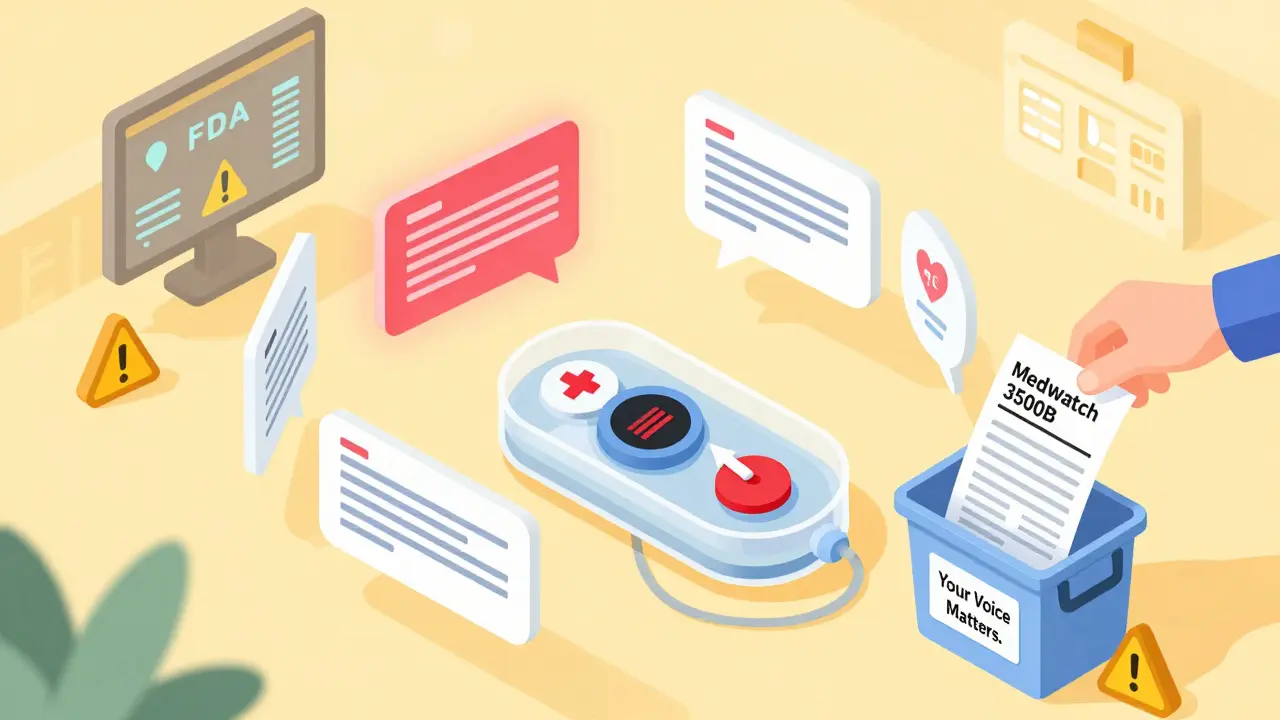
What’s Changing Now?
The FDA knows patients are confused. That’s why they’re making changes. In 2023, they started pushing for plain-language summaries of SAEs in all clinical trial registries. By 2025, you’ll be able to look up a trial and see a simple breakdown: “What bad things happened? How many? What did they mean?” They’re also using AI to sort through reports faster. Right now, it takes weeks for experts to review thousands of reports. New tools can flag the most urgent ones in days - like a hospital admission after a new heart drug. And by the end of 2024, the FDA plans to launch a free patient education portal - no login needed - with videos, quizzes, and real stories from people who’ve been through this.What This Means for You
You don’t need to memorize FDA guidelines. But you do need to know this:- Not every bad side effect is dangerous - but some that seem small can be serious
- Hospitalization = serious, even if you feel fine now
- “Severe” doesn’t always mean “serious” - ask for the difference
- Your voice matters. Report what you experience


Comments (13)
brooke wright
15 Jan 2026
I got hospitalized for a rash after taking that new migraine med. They told me it wasn't 'serious' because I didn't nearly die. But I was in the ER for three days. Who decides what counts? This post finally made sense of it all.
Allen Davidson
17 Jan 2026
This is exactly why we need better patient education. I used to think 'severe' meant 'dangerous' until my mom had a Grade 3 nausea episode that didn't require hospitalization. She was terrified for weeks. The distinction matters more than doctors admit.
Rob Deneke
18 Jan 2026
My cousin got a pacemaker and it failed after six months needed emergency surgery they called it an sae but the company said it was 'rare' like that helps when you're the one in the hospital
evelyn wellding
18 Jan 2026
OMG YES 😭 I reported my weird dizziness after the vaccine and got a letter from the FDA saying my report helped flag a pattern! I didn't think anyone would care but I'm so glad I did 🙌
Chelsea Harton
19 Jan 2026
serious vs severe is a semantic trap designed to confuse patients and protect pharma
Corey Chrisinger
19 Jan 2026
It's fascinating how language shapes perception. 'Serious' implies consequence, not intensity. We assign moral weight to words like 'dangerous' or 'life-threatening' without realizing they're clinical categories. The system's flawed but it's the best we've got.
Bianca Leonhardt
19 Jan 2026
Of course patients panic. The FDA and drug companies hide behind jargon to avoid accountability. You think a 2.3% infection rate sounds low? That's thousands of people. Stop normalizing risk.
Travis Craw
19 Jan 2026
i never knew you could report side effects yourself. i always thought it was just doctors doing it. kinda feels good to know my voice might help someone else down the line
Christina Bilotti
19 Jan 2026
Oh wow. A whole article explaining that 'serious' doesn't mean 'scary'. I'm sure the FDA is thrilled you finally broke this down for the masses who somehow didn't read the dictionary. 🙄
Cheryl Griffith
20 Jan 2026
I had a bad reaction to a new blood pressure med. It wasn't life-threatening, but I couldn't walk without feeling like I'd be sick. I didn't report it because I thought it was just 'bad side effects'. Now I know I should've. Thank you for explaining this clearly.
Nick Cole
21 Jan 2026
The part about the 68% of Grade 3-4 side effects not being classified as serious? That's eye-opening. I thought my chemo side effects were a sign the treatment was failing. Turns out they were just part of the process. Huge relief.
Henry Ip
23 Jan 2026
I'm a nurse and I still mix these up sometimes. Patients ask 'is this serious?' and I have to pause and think. This post should be mandatory reading for anyone on meds or in trials. Simple clear and real
Kasey Summerer
24 Jan 2026
So basically the FDA says 'if you end up in the hospital you're serious' but if you're just crying in the bathroom from nausea you're just... sad? America 😂