How New Laws Aim to Fix Drug Shortages in the 119th Congress
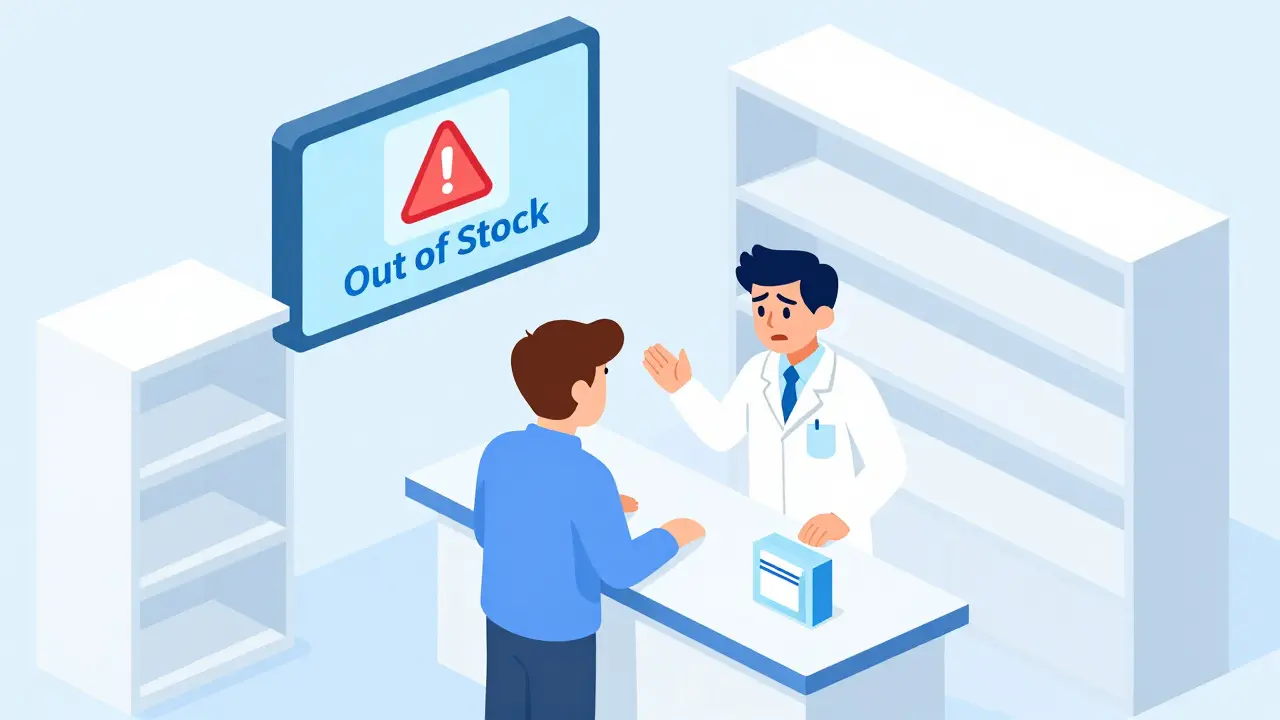
Have you ever walked into a pharmacy only to be told the medication you need is out of stock? You aren't alone. As of late 2025, nearly 300 drugs were facing shortages, with almost half classified as critical for treating life-threatening conditions. For patients and doctors, this isn't just an inconvenience; it's a safety crisis. In response, the 119th Congress (serving 2025-2026) has introduced specific legislation aimed at stopping these gaps before they happen.
The core problem isn't that there aren't enough pills being made in total-it's that manufacturers often fail to warn regulators when demand spikes or supply lines break. To fix this broken communication loop, lawmakers have proposed two major bills: the Drug Shortage Prevention Act of 2025 (S.2665) and the Health Care Provider Shortage Minimization Act of 2025 (H.R.1160). These laws represent a shift from reacting to crises after they occur to building early warning systems that keep shelves stocked and hospitals prepared.
The Core Proposal: Drug Shortage Prevention Act (S.2665)
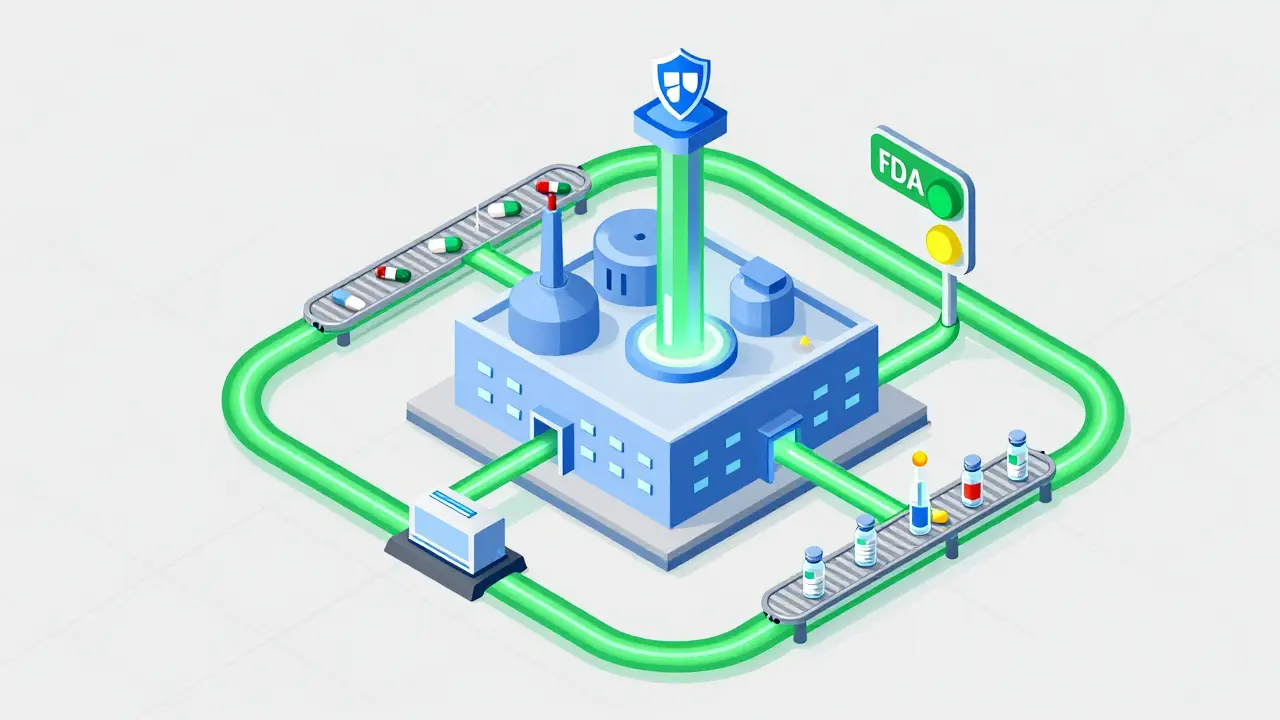
Introduced by Senator Amy Klobuchar on August 1, 2025, the Drug Shortage Prevention Act of 2025 (Legislation requiring pharmaceutical manufacturers to notify the FDA of increased demand for critical drugs to prevent shortages) targets the root cause of most modern drug shortages: poor visibility. Currently, the Food and Drug Administration (FDA) often learns about a shortage only after patients start calling their doctors asking where to find their medicine. S.2665 changes that dynamic entirely.
The bill amends the Federal Food, Drug, and Cosmetic Act to mandate that manufacturers of "critical drugs" must proactively report any signs of increased demand or potential supply constraints to the FDA. Think of it like a traffic alert system. Instead of waiting until a highway is completely gridlocked (the shortage), the manufacturer sends a signal when traffic starts slowing down (increased demand). This gives the FDA time to coordinate with other suppliers, approve alternative manufacturing sites, or advise hospitals to ration supplies wisely.
While the exact definition of "critical drugs" remains under committee review, industry experts suggest this will likely cover essential medications such as insulin, chemotherapy agents, and antibiotics used in intensive care units. The goal is simple: give regulators the data they need to act before a shortage becomes a public health emergency.
| Feature | Drug Shortage Prevention Act (S.2665) | Provider Shortage Act (H.R.1160) |
|---|---|---|
| Primary Focus | Pharmaceutical supply chain transparency | Healthcare workforce availability |
| Key Mechanism | Mandatory manufacturer notification to FDA | Workforce development incentives (details pending) |
| Chamber | Senate | House of Representatives |
| Current Status | Referred to Senate HELP Committee | Introduced; details not publicly documented |
| Target Problem | 287+ drug shortages affecting patient care | 124,000 projected physician deficit by 2034 |
Addressing the Human Element: H.R.1160
Medicines don't dispense themselves. Even if every pill were available, a lack of doctors, nurses, and pharmacists creates a different kind of shortage-one of access. The Health Care Provider Shortage Minimization Act of 2025 (Proposed legislation aimed at reducing deficits in healthcare workforce numbers through policy interventions) addresses this parallel crisis.
Introduced in the House of Representatives, H.R.1160 aims to minimize the growing gap between the number of patients needing care and the providers available to give it. According to the Health Resources and Services Administration (HRSA), over 122 million Americans live in areas designated as having primary care provider shortages. By 2034, the American Association of Medical Colleges projects a deficit of up to 124,000 physicians nationwide.
While detailed text for H.R.1160 was not fully published in initial congressional records as of November 2025, the title and context suggest a focus on workforce expansion strategies. These could include funding for medical school residencies, loan forgiveness programs for professionals working in rural areas, or streamlined licensing processes across state lines. Without enough hands on deck, even the best-stocked pharmacy cannot ensure equitable health outcomes.
Why Progress Has Stalled: The Government Shutdown Impact
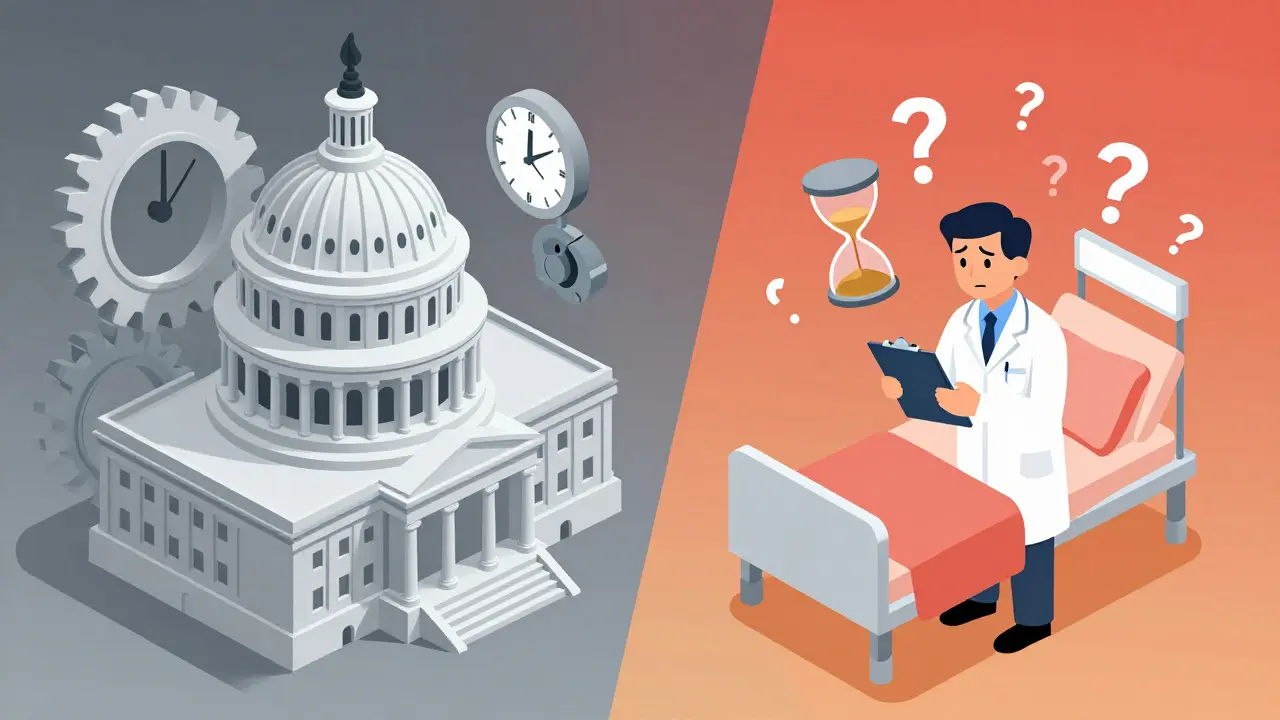
If these bills are so necessary, why haven't they passed yet? The short answer is political gridlock, specifically the historic government shutdown that began on October 1, 2025. As of mid-November 2025, the shutdown had entered its 44th day, making it the longest in U.S. history. This paralysis has severe consequences for legislative action.
During a shutdown, non-essential federal operations halt. While the FDA continues some critical functions, its ability to monitor drug shortages, update its public portal, and engage with manufacturers is severely degraded. Approximately 800,000 federal workers were furloughed, including many who support the regulatory frameworks these new laws rely on. The Congressional Budget Office estimated that each day of the shutdown cost the economy $1.5 billion, further draining resources needed for long-term solutions like those proposed in S.2665.
Moreover, the legislative agenda froze. Bills referred to committees, like S.2665 in the Senate Health, Education, Labor, and Pensions Committee, simply sit there. No hearings are held, no amendments are drafted, and no votes are scheduled. The continuing resolution proposed by Senate Republicans in November 2025 extended funding only through January 30, 2026, with no specific provisions addressing drug or provider shortages. This means both S.2665 and H.R.1160 face a high risk of expiring without becoming law unless the shutdown ends quickly and Congress prioritizes them in the remaining weeks of the session.
What This Means for Patients and Providers
For the average person, the delay in passing these laws translates directly into frustration and health risks. A survey by the American Medical Association found that 87% of physicians reported experiencing drug shortages that affected patient care in September 2025. Yet, only 12% were aware of the introduction of H.R.1160. This disconnect highlights a broader issue: while policymakers debate budget cuts-such as the $7.9 billion in foreign aid rescissions proposed in separate legislation-the daily reality of empty pharmacy shelves goes largely unnoticed in mainstream political discourse.
Hospitals are bearing the brunt of this uncertainty. The American Hospital Association reported that 98% of surveyed facilities experienced at least one critical drug shortage in the third quarter of 2025. Without the early warning system mandated by S.2665, hospital pharmacists are forced to play whack-a-mole, scrambling to find alternatives for life-saving medications after the fact. This reactive approach increases costs, delays treatment, and compromises patient safety.
Manufacturers also suffer. The Association for Accessible Medicines noted that 63% of current shortages stem from manufacturing delays. A proactive notification system would allow companies to flag issues earlier, potentially avoiding costly production halts and reputational damage. It’s a win-win scenario that remains stalled due to fiscal impasses unrelated to healthcare.
Looking Ahead: Can These Bills Survive?
The fate of S.2665 and H.R.1160 hinges on resolving the government shutdown before the end of the 119th Congress. If the shutdown persists past January 2026, these bills will likely expire, forcing advocates to reintroduce similar measures in the 120th Congress starting in January 2027. That timeline is unacceptable given the urgency of the crisis.
Advocacy groups, including the FDA’s own advisory committees, continue to push for passage. They argue that the estimated $45 million annual cost to implement S.2665’s oversight mechanisms is negligible compared to the economic and human toll of prolonged shortages. Furthermore, integrating notification requirements into existing FDA systems requires minimal technical infrastructure but offers maximum preventative benefit.
As we move toward the end of 2025, the question isn’t whether these laws are good ideas-they clearly address real, documented problems. The question is whether Congress can prioritize public health over partisan budget battles. Until then, patients, providers, and pharmacies must continue navigating a fragmented system where information flows too slowly to prevent harm.
What is the Drug Shortage Prevention Act of 2025 (S.2665)?
The Drug Shortage Prevention Act of 2025 (S.2665) is a bill introduced in the Senate by Senator Amy Klobuchar. It requires pharmaceutical manufacturers to notify the FDA when they anticipate increased demand or supply issues for critical drugs. The goal is to create an early warning system that allows regulators to intervene before a full-blown shortage occurs.
Why are drug shortages happening so frequently?
Most drug shortages are caused by manufacturing delays, which account for 63% of cases according to the Association for Accessible Medicines. Other factors include raw material shortages, quality control failures, and insufficient competition among generic drug makers. Lack of timely communication between manufacturers and regulators exacerbates these issues.
How does the government shutdown affect drug shortage monitoring?
The government shutdown has furloughed thousands of federal employees, including staff at the FDA responsible for tracking drug shortages. This reduces the agency's capacity to maintain its shortage portal, communicate with manufacturers, and provide guidance to healthcare providers, worsening the impact of existing shortages.
What is H.R.1160 trying to solve?
H.R.1160, the Health Care Provider Shortage Minimization Act, aims to address the deficit in healthcare workers. With millions of Americans living in underserved areas and a projected shortfall of 124,000 physicians by 2034, this bill seeks to expand the workforce through various support mechanisms, though specific details remain limited in public records.
Will these bills become law?
It is uncertain. Both bills are stuck in committee or lack detailed documentation due to the ongoing government shutdown. Unless the shutdown ends soon and Congress prioritizes healthcare legislation before the 119th Congress concludes, these proposals may expire and need to be reintroduced in 2027.