Ketogenic vs. Atkins: Which Low-Carb Diet Wins for Weight Loss?

You’re staring at the scale, feeling frustrated that the numbers haven’t moved despite your best efforts. You’ve heard about cutting carbs, but now you’re faced with a confusing choice: the strict Ketogenic Diet or the phased Atkins Diet. Both promise to help you shed pounds by changing how your body burns fuel, but they do it in very different ways. One demands near-total carb elimination; the other offers a structured path back to normal eating. If you pick the wrong one, you might burn out before seeing results. This guide breaks down exactly how these two approaches work, what the science says about their effectiveness, and which one actually fits your life.
The Core Difference: Strict Ketosis vs. Phased Flexibility
At its heart, the difference between keto and Atkins comes down to structure and sustainability. The ketogenic diet is a state of metabolism, not just a meal plan. To stay in ketosis-a biological process where your liver produces ketones from fat instead of burning glucose-you must keep carbohydrate intake extremely low, typically under 50 grams per day. This usually means 75-90% of your calories come from fat, 15-20% from protein, and only 5-10% from carbs. It’s precise, rigid, and requires constant vigilance. Even a small slip can kick you out of ketosis, forcing you to restart the adaptation process.
Atkins, created by Dr. Robert Atkins in 1972, takes a more gradual approach. It doesn’t require you to stay in ketosis permanently. Instead, it uses four distinct phases to guide you from rapid weight loss to long-term maintenance. Phase 1 (Induction) limits net carbs to 20-25 grams for two weeks, similar to keto. But then, as you lose weight, you gradually increase your carb allowance. By Phase 4 (Lifetime Maintenance), you might be eating up to 100 grams of net carbs daily. This phased design acknowledges that most people can’t live on 20 grams of carbs forever. It builds a bridge back to a more varied diet, making it easier to stick with over years rather than months.
How Your Body Processes Food on Each Plan
Understanding the biology helps explain why some people thrive on one plan and struggle on the other. On a standard high-carb diet, your body relies on glucose from carbohydrates for energy. When you cut carbs drastically, your glycogen stores (stored glucose) deplete within days. This triggers water loss, which accounts for much of the initial rapid weight drop on both diets. However, the mechanisms diverge after this point.
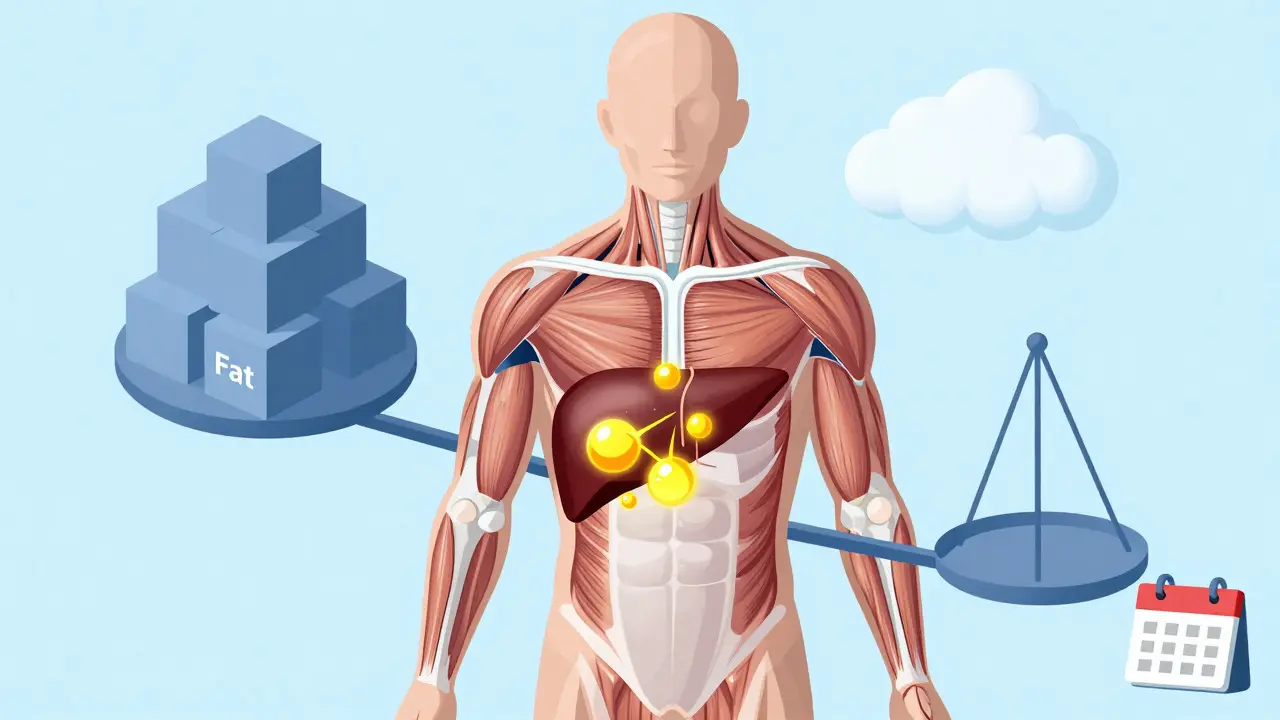
In ketosis, your body switches its primary fuel source to fat. This shift can preserve muscle mass better than traditional calorie-restricted diets because insulin levels remain low. A 2014 study found that participants on a low-calorie keto diet lost about 44 pounds (20 kg) while retaining more lean muscle compared to those on a standard low-calorie diet who lost only 15 pounds (7 kg). This preservation of muscle is crucial because muscle tissue burns more calories at rest, helping maintain your metabolic rate during weight loss.
Atkins operates through caloric restriction and satiety signals rather than sustained ketosis. The high protein content in early phases keeps you full, reducing overall calorie intake without the need for extreme fat consumption. While Atkins allows for higher protein intake than keto (since protein isn’t strictly limited to protect ketosis), it still leverages the appetite-suppressing effects of low-carb eating. For many, this feels less restrictive because you aren’t counting every gram of fat as obsessively as you are on keto.
Short-Term Results vs. Long-Term Reality
If your goal is fast results, keto often has the edge. The strict carb limit forces a rapid metabolic switch, leading to significant weight loss in the first three to six months. Consumer data shows that 68% of keto dieters reported significant weight loss in the first quarter, compared to 62% for Atkins users. This quick win can be motivating, but it also sets a high bar for maintenance.
However, when we look past the first year, the picture changes. Long-term studies indicate that low-carb diets like Atkins are no more effective for weight loss than standard diets over extended periods. A 2022 study published in the American Journal of Clinical Nutrition found that while keto produced greater weight loss at six months (12.1 lbs vs. 6.2 lbs), the difference nearly vanished by month 24 (7.8 lbs vs. 6.1 lbs). This suggests that the initial advantage of keto fades as the body adapts and lifestyle factors take over. Atkins’ phased approach may offer a slight edge in long-term adherence because it doesn’t demand perpetual restriction. At 12 months, adherence rates drop to 35% for keto but hold steady at 48% for Atkins, according to dietary trend reports.
Nutritional Quality and Health Risks
Both diets have critics, and for good reason. The ketogenic diet is heavily reliant on fats, which can lead to an imbalance if you choose the wrong sources. Many popular keto meal plans are high in saturated fats from processed meats and cheeses, which some experts link to increased cardiovascular risk. Dr. Neal Barnard of the Physicians Committee for Responsible Medicine warns that the high saturated fat content in typical keto diets may raise cholesterol levels despite short-term weight loss benefits. Additionally, the strict limitation on fruits, whole grains, and legumes can lead to deficiencies in fiber, vitamins, and minerals if not carefully planned.
Atkins faces different challenges. Because it allows for more flexibility, it can sometimes lead to the consumption of highly processed “low-carb” products. These items often contain artificial sweeteners, emulsifiers, and additives that may negatively impact gut health. However, Atkins does encourage whole foods in its later phases, allowing for a more balanced intake of vegetables and healthy fats. The key risk here is plateauing. As you increase carbs in Phases 2 and 3, some users hit a wall where weight loss stalls, leading them to revert to stricter habits or abandon the plan entirely.
Practical Implementation: What It Actually Feels Like
Let’s talk about the real-world experience. Starting keto is tough. About 70-80% of new adopters experience “keto flu,” a period of headaches, fatigue, and irritability lasting one to two weeks as your body adjusts to burning fat. You’ll likely need to monitor your ketone levels using blood, urine, or breath tests, which adds cost and complexity. Reliable testing strips can cost $40-$60 monthly. Meal planning is intense; you’re checking labels constantly to ensure you don’t accidentally consume hidden carbs in sauces or snacks.
Atkins is gentler. The first two weeks are strict, but the transition to Phase 2 feels like a relief. You get to add back some carbs, which improves mood and energy for many people. Tracking is still necessary, but it’s less about maintaining a specific metabolic state and more about staying within a broader range. Apps like Carb Manager or MyFitnessPal make this manageable. The main challenge is discipline during the transition. If you rush into Phase 4 too quickly, you might regain weight. But if you move slowly, Atkins provides a clear roadmap for lifelong eating habits.
| Feature | Ketogenic Diet | Atkins Diet |
|---|---|---|
| Daily Carb Limit | < 50g (strict) | 20g to 100g (phased) |
| Fat Intake | 75-90% of calories | Variable, moderate to high |
| Protein Intake | Moderate (to avoid gluconeogenesis) | High (for satiety) |
| Primary Goal | Sustain Ketosis | Gradual Reintroduction |
| Long-Term Adherence | Lower (~35% at 12 months) | Higher (~48% at 12 months) |
| Best For | Rapid short-term loss, epilepsy management | Sustainable long-term management |

Which Diet Should You Choose?
There is no single winner. The right choice depends on your personality, lifestyle, and goals. If you are highly disciplined, enjoy cooking complex meals, and want the fastest possible results, keto might be worth the effort. It works well for people who need a clear, binary rule: eat this, don’t eat that. It’s also beneficial for those with specific medical conditions like type 2 diabetes or epilepsy, where stable blood sugar is critical.
If you find strict rules exhausting, prefer variety in your diet, and are looking for a lifestyle change rather than a temporary fix, Atkins is likely a better fit. Its phased approach respects the fact that humans crave carbohydrates. By allowing you to find your personal “carb balance,” it aims to prevent the yo-yo effect common with restrictive diets. For busy professionals or parents, the flexibility of Atkins often translates to better compliance over time.
Consider your support system too. Keto thrives on community; apps like KetoDiet and online forums provide constant encouragement. Atkins relies more on structured guides and branded resources. If you’re a solo learner, the clarity of Atkins’ phases might feel safer. If you’re motivated by social proof and shared experiences, the vibrant keto community could keep you going.
Frequently Asked Questions
Can I combine elements of both diets?
Yes, many people use a “cyclical” approach. You might start with a keto-style phase for rapid loss and then transition into an Atkins-style maintenance phase. This hybrid method leverages the quick results of keto while benefiting from the sustainability of Atkins. Just be mindful of how your body responds to the reintroduction of carbs.
Is keto safe for long-term use?
For most healthy adults, keto appears safe in the short term, but long-term data is still emerging. Potential risks include nutrient deficiencies, elevated LDL cholesterol, and kidney strain if protein intake is excessive. Regular check-ups with a healthcare provider are recommended to monitor lipid profiles and kidney function.
Why did I stop losing weight on Atkins Phase 3?
Plateaus are common when increasing carbs. It may mean you’ve reached your current metabolic set point or that you’re consuming slightly more calories than you realize. Try slowing down the progression, focusing on non-starchy vegetables, and ensuring your protein intake remains high to maintain satiety. Sometimes, stepping back to Phase 2 for a few weeks resets the process.
Do I need to count macros on both diets?
On keto, yes, precision is key. You need to track fat, protein, and carbs closely to stay in ketosis. On Atkins, tracking is important in Phase 1, but becomes less critical in later phases. Once you reach maintenance, you can rely more on intuitive eating and portion control, though monitoring net carbs is still helpful for weight management.
Which diet is better for type 2 diabetes?
Both can improve glycemic control. Keto tends to produce faster reductions in HgbA1c levels due to strict carb restriction. However, Atkins’ phased approach may be easier to sustain, which is crucial for long-term diabetes management. Always consult with your endocrinologist before starting either diet, especially if you are on insulin or sulfonylureas, as dosage adjustments may be needed.