
Immunotherapy for Allergies: Allergy Shots vs. Sublingual Tablets Explained
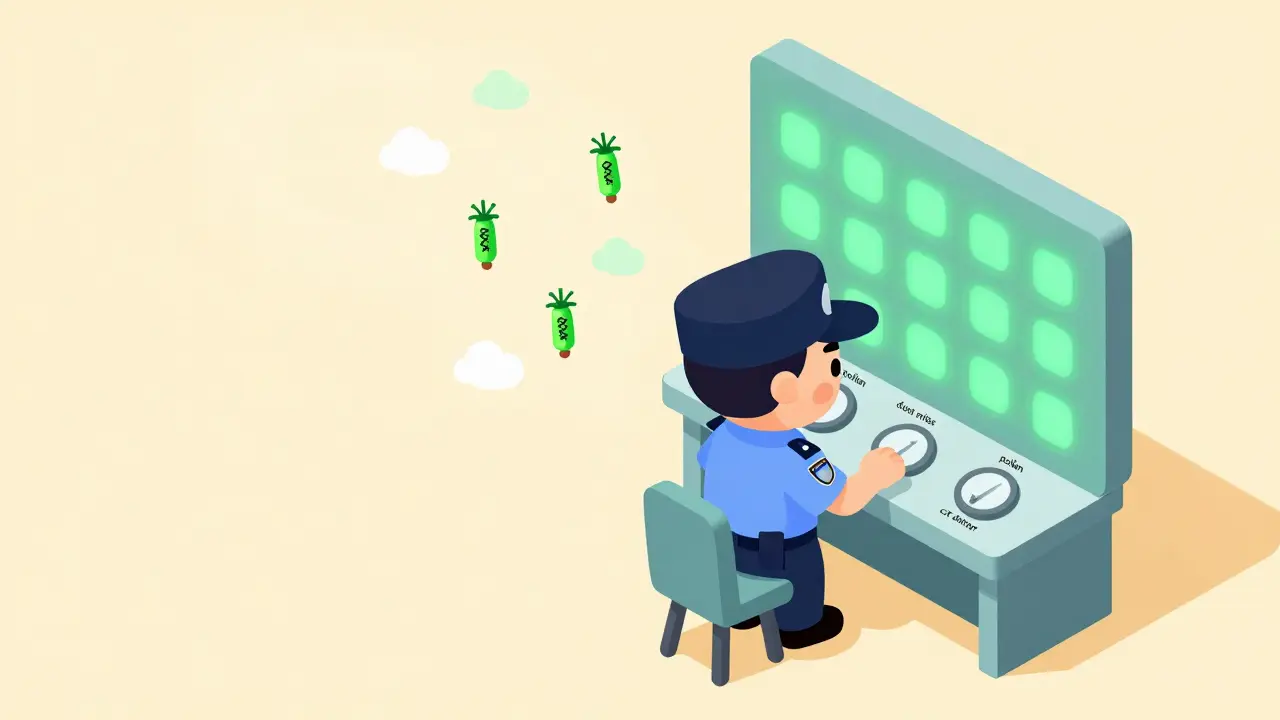
For millions of people with seasonal allergies or year-round sensitivities, antihistamines and nasal sprays are just temporary fixes. They mask symptoms but don’t change what’s happening inside your body. If you’ve been stuck in this cycle for years, you might be wondering: is there a way to actually retrain your immune system so you stop reacting to pollen, dust mites, or pet dander altogether? The answer is immunotherapy - and it’s not just a theory. It’s a proven, long-term solution that’s helped people in Sheffield, across the UK, and around the world break free from chronic allergy symptoms.
How Immunotherapy Actually Works
Immunotherapy doesn’t treat your sneezing or itchy eyes - it treats the root cause. Think of your immune system like an overzealous security guard who mistakes harmless pollen for a dangerous intruder. Immunotherapy slowly trains that guard to stop overreacting. It does this by exposing you to tiny, controlled amounts of the allergens you’re sensitive to. Over time, your body learns these substances aren’t a threat. The result? Fewer symptoms, less reliance on medication, and sometimes, complete relief.
This isn’t new science. The first allergy shots were given in London in 1911. Since then, research has shown that immunotherapy doesn’t just reduce symptoms - it can prevent new allergies from developing and even lower the risk of asthma in children with allergic rhinitis. The American College of Allergy, Asthma & Immunology confirms that this is the only treatment that changes the immune system’s long-term behavior.
Allergy Shots: The Gold Standard
Allergy shots, or subcutaneous immunotherapy (SCIT), remain the most effective form of immunotherapy. They involve regular injections of allergen extracts under the skin. The treatment has two phases: build-up and maintenance.
In the build-up phase, you get shots once or twice a week, with gradually increasing doses. This lasts anywhere from 3 to 12 months, depending on your schedule and the protocol. Many clinics now offer cluster immunotherapy - a faster version where you get multiple shots in fewer visits over 4 to 9 weeks. For people with life-threatening bee sting allergies, rush immunotherapy can get you to maintenance in under two months.
Once you reach the maintenance dose, you switch to shots every 2 to 4 weeks, then monthly. You’ll keep this up for 3 to 5 years. It’s a long commitment, but the results are powerful. Studies show 82% of patients with multiple allergies see major symptom improvement with shots. That’s compared to just 67% with tablets.
One big advantage of shots? They can be customized. A single vial can contain extracts for 3 to 4 different allergens - say, grass pollen, dust mites, and cat dander. That’s crucial because 78% of allergy sufferers react to more than one trigger. With shots, you’re treating your full profile, not just one piece of it.
Sublingual Tablets: Convenience Without Compromise?
If the idea of weekly shots makes you nervous or your schedule won’t allow it, sublingual immunotherapy (SLIT) tablets might sound like a dream. These are small, dissolvable tablets placed under the tongue once a day. No needles. No clinic visits. Just pop one in the morning before breakfast.
The FDA has approved four tablets in the U.S.:
- Oralair - for grass pollen (take daily for 4 months before and during pollen season)
- Grastek - also for grass pollen
- Ragwitek - for ragweed
- Odactra - for house dust mites
Each tablet targets only one allergen. That’s the catch. If you’re allergic to grass, dust mites, and cats, you’d need three different tablets - and none of them work for cats yet (though one for cat dander was approved in April 2024).
Patients love the convenience. A 2022 survey found 92% of tablet users preferred it over shots. One user, a traveling salesperson, said: “I couldn’t manage weekly appointments, but the tablet fits in my pocket.”
But convenience doesn’t always mean effectiveness. In patients with multiple allergies, tablets often fall short. Reddit users who tried both treatments reported 68% had better results with shots. One wrote: “After two years of Grastek with only 30% improvement, I switched to shots and got 80% relief by year two.”

Which One Is Right for You?
There’s no one-size-fits-all answer. But here’s how most allergists decide:
Choose allergy shots if:
- You’re allergic to 3 or more substances
- Your symptoms are severe and don’t respond well to medication
- You want the highest chance of long-term relief
- You can commit to regular visits (or use cluster immunotherapy to speed it up)
Choose sublingual tablets if:
- You’re allergic to just one or two things (like grass or dust mites)
- You can’t get to an allergist regularly
- You’re scared of needles
- You’re disciplined enough to take a tablet every single day
Important note: Tablets require perfect adherence. If you miss more than 20% of doses, effectiveness drops to 45%. Shots are less forgiving in terms of time, but more forgiving in terms of daily habits.
Safety and Side Effects
Both treatments are safe when done correctly. But the risks differ.
Allergy shots can cause local swelling at the injection site (common) or, rarely, a systemic reaction like hives, wheezing, or low blood pressure. Cluster and rush protocols have slightly higher reaction rates, but most clinics are equipped to handle them. Epinephrine is always on hand, and you’re required to wait 30 minutes after each shot.
Sublingual tablets mostly cause mild mouth or throat itching, which usually fades after a few weeks. In rare cases, they can trigger anaphylaxis - which is why the first dose is always given in a doctor’s office.
For most people, the side effects are manageable. The real trade-off isn’t safety - it’s effectiveness and lifestyle fit.

What’s Changing in 2026?
The field is moving fast. In April 2024, the FDA approved the first sublingual tablet for cat dander allergy - a big step forward. More multi-allergen tablets are in Phase 3 trials and could be available by 2026.
Also, new guidelines now recommend cluster immunotherapy as a first-line option, not just a shortcut. Studies show it’s just as safe as traditional build-up, but cuts the initial phase from months to weeks.
Looking ahead, researchers are testing peptide-based therapies that could shorten treatment from 3-5 years to just 1-2. And with component-resolved diagnostics becoming more common, allergists can now pinpoint exactly which proteins in pollen or dust trigger your reaction - letting them tailor treatments more precisely than ever before.
Real Talk: What Patients Say
On Google reviews, the most common phrase for people who had shots is: “Life-changing after two years.” For tablets, it’s: “Easy to use.”
But the real story is in the numbers. In a 2023 survey of 1,247 Reddit users who tried both, 68% said shots worked better. Yet 79% of tablet users in a separate survey said they’d stick with it because it fit their life.
It’s not about which is “better.” It’s about which fits you.
If you’re tired of reaching for tissues every spring, or if your child’s asthma flares up every time the dog jumps on the couch, immunotherapy might be the answer you’ve been waiting for. It’s not a quick fix. But if you’re willing to stick with it, it’s one of the few treatments that can actually change your future with allergies.
Getting Started
First, see an allergist. They’ll do skin or blood tests to confirm what you’re allergic to. Then they’ll walk you through your options - shots, tablets, or a mix.
Most insurance plans cover both. In the U.S., allergy shots are covered under medical benefits, while tablets are covered under pharmacy benefits. Costs vary, but shots typically cost $1,500-$3,000 over 3-5 years. Tablets run $1,200-$2,000 annually.
Don’t let the time commitment scare you. Many clinics now offer weekend hours and flexible scheduling. And if you’re busy, cluster immunotherapy can get you through build-up in under two months.
Immunotherapy isn’t magic. But for the right person, it’s the closest thing to a cure.
Are allergy shots worth the time and hassle?
Yes, if you’re allergic to multiple triggers or have severe symptoms. Shots offer the highest success rate - up to 82% symptom reduction - and can prevent new allergies or asthma. While they require weekly visits at first, cluster protocols cut that time in half. Most patients say the long-term relief makes it worth it.
Can I take sublingual tablets for multiple allergies?
No. Each FDA-approved tablet targets only one allergen. If you’re allergic to grass, dust mites, and cat dander, you’d need three separate tablets. That’s not practical for most people. Shots can combine multiple allergens in one vial, making them the better choice for multi-allergen sufferers.
How long until I see results from immunotherapy?
Most people notice improvement within 6 to 12 months. But full benefits take 2 to 3 years. Don’t expect overnight results. The goal is long-term immune change, not quick symptom relief. Patience is key - but the payoff lasts years after treatment ends.
Do sublingual tablets work as well as shots?
For single-allergen allergies like grass or ragweed, tablets work well - about 67% effective. But for people with multiple allergies, shots are significantly better (82% effective). Tablets can’t match the broad coverage of customized shots. They’re a good option for convenience, but not for comprehensive treatment.
Is immunotherapy covered by insurance?
Yes, most U.S. insurance plans cover both allergy shots and sublingual tablets. Shots are covered under medical benefits; tablets under pharmacy benefits. Costs vary, but most patients pay only a copay. Check with your provider - coverage details depend on your plan and the specific treatment.



Comments (13)
Samuel Mendoza
22 Jan 2026
Shots are just outdated. Tablets are the future - no needles, no clinics, just pop one in your mouth and forget about it. People who still do shots are either masochists or haven’t heard of modern medicine.
Malvina Tomja
23 Jan 2026
Oh wow, another article pretending immunotherapy is a miracle cure. Let me guess - no mention of the 15% of people who get anaphylaxis on their first shot? Or how 40% of tablet users quit after 3 months because ‘it’s too boring’? This is marketing dressed as science. The real truth? Allergies don’t go away. You just learn to live with them - or waste thousands on placebo-level treatments.
Glenda Marínez Granados
23 Jan 2026
So we’re paying to train our immune system like it’s a puppy that keeps peeing on the rug? 🐶☕️
At least with pills, I can pretend I’m a spy taking secret medicine. With shots? I’m just the guy crying in the allergist’s office while a nurse talks to me like I’m 5.
Yuri Hyuga
23 Jan 2026
This is one of the most balanced, well-researched pieces I’ve read on allergies in years! 🙌
Immunotherapy isn’t just treatment - it’s liberation. For those who’ve lived with constant sneezing, it’s like being given back your own life. Don’t let the time commitment scare you - the payoff is worth every minute. And yes, cluster protocols? Absolute game-changer. Talk to your allergist - don’t settle for Band-Aid solutions anymore!
MARILYN ONEILL
24 Jan 2026
Anyone else notice how the article never says that tablets are just a way for Big Pharma to make you buy a new pill every month? Shots are cheaper long-term. Also, why do they only list FDA-approved tablets? What about the ones in Europe? This feels like an ad.
Steve Hesketh
25 Jan 2026
I’ve been on shots for 3 years now - and I haven’t needed an antihistamine since month 10. I used to cancel plans every spring. Now I hike, I garden, I even hug my dog without crying. It’s not magic. It’s hard. But it’s real. If you’re tired of being sick every season - don’t give up. Keep going. You’ve got this.
shubham rathee
26 Jan 2026
why do they say shots work better when its just because they are injected and not under the tongue i think the body reacts differently to route of delivery but the allergen is the same so why is one better maybe its placebo effect maybe its just the dose maybe its the fact that people who do shots are more committed to being healthy and that affects results not the treatment itself
MAHENDRA MEGHWAL
27 Jan 2026
While the efficacy data presented is compelling, one must consider the heterogeneity of patient populations and the potential for selection bias in self-reported outcomes. The adherence metric for sublingual tablets is particularly critical - non-compliance skews efficacy metrics significantly. A randomized controlled trial with objective biomarkers would provide more robust validation.
Kevin Narvaes
27 Jan 2026
so like… are we just paying to get our body to stop being scared of pollen? like… is that not just… giving up on being a human? we evolved to react to this stuff. maybe we should just… accept it? like… breathe it in. be one with the dust mites. 🌿😭
Kelly McRainey Moore
28 Jan 2026
I tried the tablet for grass and it worked okay. But I still sneeze when my cat jumps on me. So I guess I’m getting shots next. Worth a shot, right?
Amber Lane
28 Jan 2026
My mom got shots in the 80s in India and she still doesn’t sneeze around cats. That’s 40 years of freedom. This isn’t new - it’s just becoming more accessible.
Ashok Sakra
28 Jan 2026
Why is no one talking about how the allergists profit from this? Shots = more visits = more money. Tablets = one prescription = done. They want you hooked. Don’t be fooled.
michelle Brownsea
29 Jan 2026
Let me be perfectly clear: if you’re choosing tablets over shots because you’re ‘too busy’ or ‘scared of needles,’ you’re not just making a medical decision - you’re choosing convenience over your long-term health. This isn’t a lifestyle app. It’s immunology. If you can’t commit to your body, don’t be surprised when it keeps betraying you.