
Five Medication Safety Tips for Seniors and Caregivers
Every year, over 350,000 older adults end up in the hospital because of medication mistakes - and most of these are preventable. Seniors take more prescriptions than any other group. Nearly 90% of people over 65 are on at least one medication. Four in ten take five or more daily. That’s a lot of pills, a lot of schedules, and a lot of chances for something to go wrong. But with simple, practical steps, you can cut those risks dramatically. These five medication safety tips aren’t just advice - they’re proven strategies backed by geriatric experts, pharmacists, and real-world results from thousands of families.
Keep a Complete, Updated Medication List
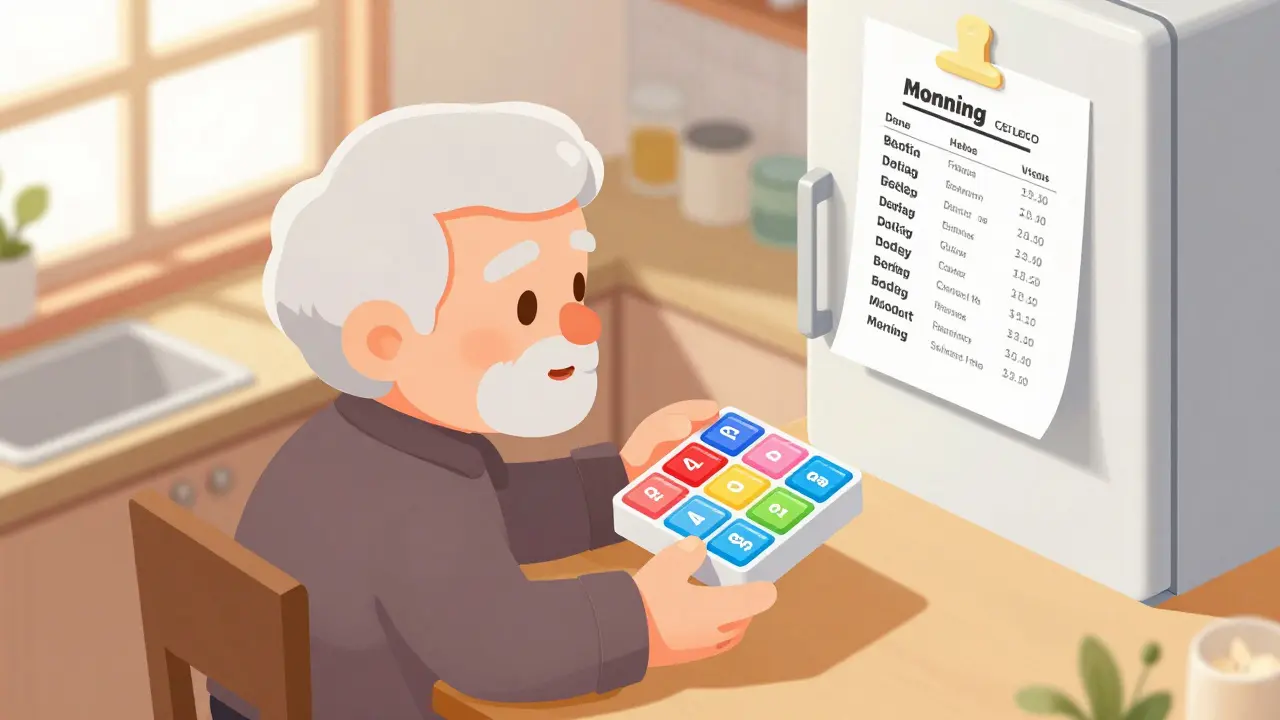
Don’t rely on memory. Write everything down - and update it every time something changes. That means prescription drugs, over-the-counter pain relievers, vitamins, herbal supplements, and even eye drops or patches. Many seniors don’t realize that something as common as fish oil or melatonin can interact dangerously with blood thinners or antidepressants. The list needs more than just names. Include: exact dosage (like 10 mg, not "one pill"), how often it’s taken (morning, night, every 8 hours), why it was prescribed, the prescribing doctor’s name, the pharmacy’s phone number, and the expiration date. The FDA recommends bringing this list to every doctor’s visit - even for a cold or a rash. A 2022 survey found that pharmacists catch dangerous interactions in 92% of cases when seniors show an updated list. Start with a simple sheet of paper. Use a pen, not a pencil. Tape it to the fridge or keep it in your wallet. When a new medication is added, cross out the old list and write a new one. Don’t wait for your next appointment. Do it the same day.Use a Pill Organizer - the Right Way
A pill organizer isn’t just for forgetful seniors. It’s for everyone taking more than two pills a day. The key is choosing the right one. For most people, a 7-day organizer with morning and evening compartments works best. Color-coded labels help - red for blood pressure, blue for cholesterol, green for vitamins. Studies show that using a simple pill box improves adherence by nearly 50% in seniors with mild memory issues. But here’s the catch: if your loved one is mixing up pills or taking double doses, a basic organizer won’t help. Switch to a locked version. Some models have alarms, but those can be ignored. The real win is visual confirmation - seeing that a pill is missing tells you it was taken. Digital tools like Medisafe or Hero can send alerts to your phone when a dose is skipped. But don’t assume tech fixes everything. A 2023 Reddit post from a caregiver showed how a $100 app failed because her mom kept dismissing alerts without taking the pill. Meanwhile, another family used laminated photos of each pill next to its name - and cut anxiety by 80%. Low-tech often beats high-tech when cognition is involved.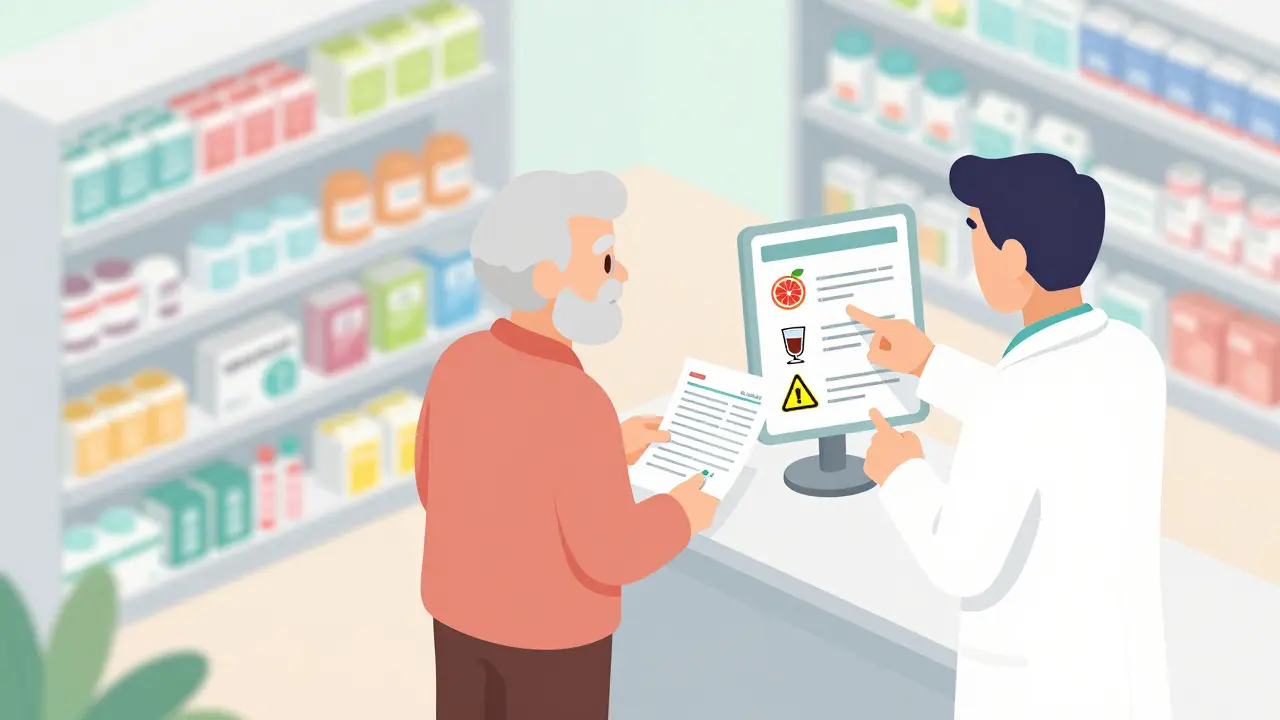
Check for Dangerous Interactions
Some medications are fine alone but deadly when mixed. The American Geriatrics Society updates the Beers Criteria every two years - a list of 138 drugs that are risky for seniors. Common offenders include benzodiazepines (like Xanax), certain antihistamines (like Benadryl), and NSAIDs like ibuprofen for long-term use. But the biggest hidden danger? Food and drinks. Grapefruit juice can turn a normal statin dose into a toxic one. Alcohol and sleep aids? A dangerous combo. Even a single glass of wine can cause dizziness, falls, or breathing problems when mixed with painkillers or antidepressants. The FDA warns that over 150 medications interact badly with alcohol. Always ask: "Does this new medicine interact with anything else I’m taking?" Pharmacists are trained to spot these. Don’t just trust the doctor’s script. Walk over to the pharmacy counter and ask. It takes two minutes. It could save a life.Store Medications Properly
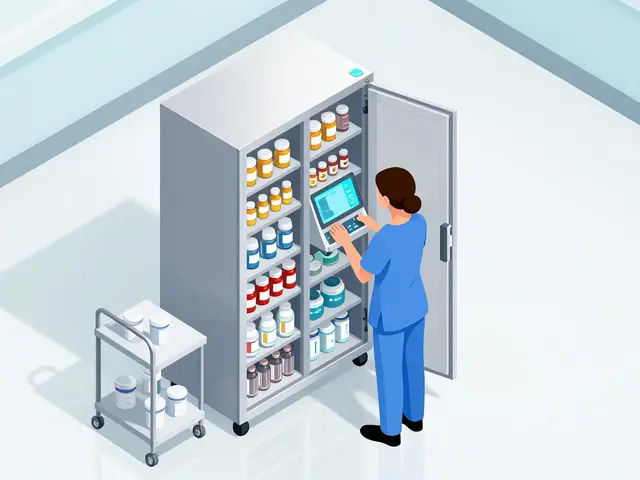
Your bathroom cabinet is the worst place for pills. Heat and steam from showers degrade medicine. A 2022 University of Florida study found that 37% of common medications lose potency when stored in bathrooms. That means your blood pressure pill might not work - and you won’t know until you have a stroke. Keep medications in a cool, dry place - between 68°F and 77°F. A bedroom drawer or kitchen cabinet away from the stove works. Always keep them in original bottles with labels. That’s the only way you’ll know the name, dose, and expiration date. If you have grandchildren visiting, lock them up. The Poison Control Center reports 60,000 accidental poisonings in kids each year from unsecured meds. A simple lockbox costs less than $20. If your loved one has dementia, lockboxes aren’t optional - they’re essential. And don’t hoard old pills. The average senior home has over $300 in expired or unused medications. Throw them out properly - use a drug take-back program at your pharmacy, or mix them with coffee grounds and trash. Never flush them down the toilet.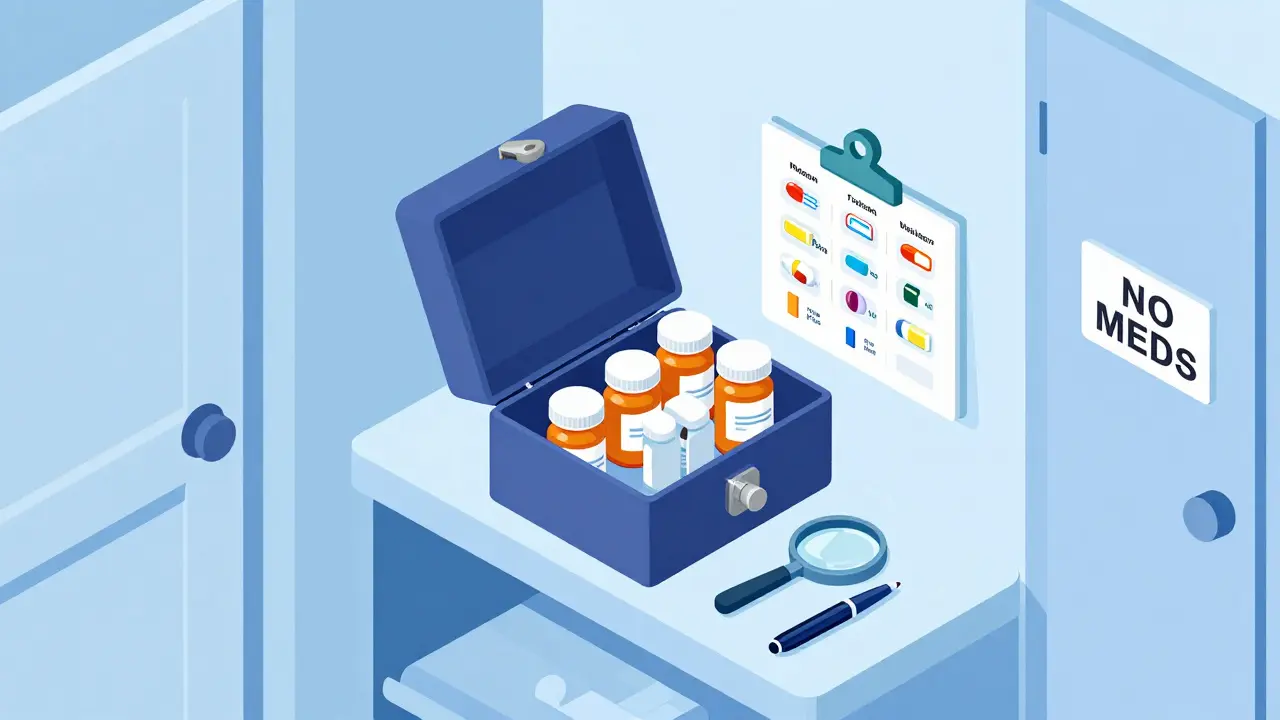
Talk to Your Doctor - With a List of Questions
Doctors are busy. You need to be ready. Before every appointment, write down three questions:- Is this medication still necessary? (Many seniors keep taking drugs long after the condition is gone.)
- What side effects should I watch for? (Dizziness? Confusion? Nausea? These aren’t "just aging" - they could be drug reactions.)
- Is there a cheaper or safer alternative?
Real People, Real Results
One caregiver on ALZConnected switched her mother to a locked 7-day pill organizer after she started doubling her blood pressure pills. Missed doses dropped from 40% to 5% in a month. Another family made a color-coded chart with photos of each pill. Their dad, who used to refuse unfamiliar meds, started taking them without a fight. But it’s not always easy. A 2022 survey found 68% of caregivers struggle with medication schedules. Complex instructions, multiple pharmacies, and changing prescriptions make it overwhelming. That’s why the NIA launched the "Medication Check-Up" program - free in-home reviews by pharmacists through Area Agencies on Aging. Over 11,000 locations offer this nationwide. And if you’re overwhelmed, you’re not alone. The goal isn’t perfection. It’s progress. One step at a time. Update the list. Use the organizer. Ask the question. Lock the cabinet. Talk to the pharmacist. These aren’t chores - they’re lifelines.What should I do if my senior parent refuses to take their medication?
First, don’t force it. Refusal often means they don’t understand why they’re taking it, are scared of side effects, or think it’s unnecessary. Sit down with them and ask why they’re skipping doses. Use the three-question script: "Is this still needed?", "What does it do?", "Are there side effects?" Sometimes, the doctor can switch to a liquid form, a patch, or a once-daily pill. A pill organizer with photos of each medication can also reduce anxiety. If confusion is involved, consider a locked dispenser with caregiver alerts.
Can I crush pills to make them easier to swallow?
Only if the label or pharmacist says it’s okay. Many pills - especially extended-release ones like blood pressure or pain meds - are designed to release slowly. Crushing them can cause a dangerous overdose. Even enteric-coated pills (those with a hard shell) can irritate the stomach if crushed. Always check with your pharmacist before crushing, splitting, or opening capsules. If swallowing is hard, ask for a liquid version or a different formulation.
How do I know if a medication is expired?
Check the expiration date on the bottle or box. That’s the last day the manufacturer guarantees full strength and safety. Don’t rely on how it looks - pills can look fine but be ineffective. Some medications, like insulin or liquid antibiotics, lose potency quickly after opening. The FDA says most pills are safe for a year or two past expiration, but you can’t count on them working. When in doubt, throw it out. Use a drug take-back program or mix it with coffee grounds and trash.
Are over-the-counter (OTC) drugs really dangerous for seniors?
Yes - more than you think. OTC painkillers like ibuprofen can cause stomach bleeding or kidney damage in older adults. Antihistamines in sleep aids and allergy meds (like diphenhydramine) increase dementia risk and cause dizziness. Laxatives, antacids, and cough syrups often contain ingredients that interact with prescription drugs. Many seniors don’t realize OTCs are drugs too. Always tell your doctor or pharmacist about every OTC product you use - even if you think it’s "harmless."
What if my senior can’t read the small print on pill bottles?
Most pharmacies offer free large-print labels. Just ask. The FDA’s Safe Use Initiative has partnered with over 7,200 pharmacies nationwide to provide these. You can also request audio labels or Braille labels in some areas. Another simple fix: use a magnifying glass or smartphone camera to zoom in on the label. Create a printed list with big fonts and photos of each pill next to its name. Many families find this more helpful than the bottle itself.
Comments (13)
Laia Freeman
29 Jan 2026
OMG YES!!! I was just telling my aunt she can’t keep her meds in the bathroom like a sauna-now she’s got a little lockbox in her bedroom and actually takes them!!
Frank Declemij
30 Jan 2026
Simple, clear, and dead-on. The pill organizer tip alone saves lives. No fluff. Just facts.
Andy Steenberge
31 Jan 2026
I’ve been using a handwritten list taped to the fridge for my dad for three years now. Every time we go to the doctor, I hand it to them before they even sit down. They’re always impressed. Turns out most doctors just assume patients know what they’re on. They don’t. And it’s not their fault-it’s the system’s fault. Writing it down is free, it’s effective, and it’s the only thing that actually works.
One time my dad was prescribed a new statin. He didn’t know what it was for. I asked the pharmacist. Turns out it was for cholesterol, but he’d been on it for two years and his levels were normal. We called his doctor. He said, ‘Oh yeah, we discontinued that.’ But no one told him. That’s how easy it is to slip through the cracks.
Update the list the same day something changes. Don’t wait. Don’t think you’ll remember. You won’t. Write it. Tape it. Show it. Do it now.
And please, stop calling them ‘seniors.’ They’re people. My dad’s 82. He still fixes his own car, reads three books a week, and argues about baseball with me. He’s not a project. He’s my father. But yeah-his meds? We got it under control. Because we didn’t ignore it.
Small steps. Every day. That’s all it takes.
Alex Flores Gomez
1 Feb 2026
Wow. Finally, someone who gets it. Most of these ‘tips’ are just regurgitated brochures from AARP. But this? This is what actually happens in real households. I love the part about the $100 app failing while laminated photos worked. That’s the entire healthcare system in a nutshell: tech that doesn’t understand humans.
Also, crushing pills? Please. I’ve seen people crush extended-release morphine because they couldn’t swallow it. Their kid ended up in the ER. Not funny. Not cute. Just tragic.
DHARMAN CHELLANI
1 Feb 2026
Five tips? Nah. The real tip is: stop giving old people so many pills. That’s the problem. Not the organizer. Not the list. The system’s poisoning them with unnecessary drugs. They’re not sick-they’re overmedicated.
LOUIS YOUANES
1 Feb 2026
My mom used to take 17 pills a day. We cut it to 5. She cried. Said she felt ‘less important.’ That’s the real issue. It’s not about safety-it’s about identity. Pills = purpose. We had to reframe it. ‘You’re not taking meds-you’re reclaiming your mornings.’ That worked better than any app.
Pawan Kumar
2 Feb 2026
Did you know the FDA is secretly funded by Big Pharma? That’s why they say expired meds are ‘safe’ for a year or two. They don’t want you to know most drugs degrade into carcinogens. The real solution? Stop trusting institutions. Grow your own herbs. Use sunlight. Avoid pills entirely.
Keith Oliver
4 Feb 2026
Anyone else notice how this post acts like pharmacists are saints? They’re just salespeople with white coats. I asked mine about a drug interaction. She said, ‘Oh, that’s fine.’ Then I Googled it. It’s a Class 1 contraindication. She didn’t even know. So no, don’t just ‘walk over’-do your own research. Or better yet, get off the pills.
Kacey Yates
5 Feb 2026
Forgot to mention: if your parent can't read the label, call the pharmacy and ask for a voice-enabled label. They’ll mail you a QR code that reads the label aloud when scanned. Free. No app needed. Just a phone. And yes, I’ve done this for my grandma. She’s 91. Still drives. Still cooks. Still takes her meds.
rajaneesh s rajan
6 Feb 2026
Interesting how everyone’s obsessed with ‘safety’ but no one talks about autonomy. Who decided these people need to be managed like children? A pill organizer? A locked box? A color-coded chart? It’s not medicine-it’s control dressed up as care. Maybe they don’t want to take the pills because they’re tired of being treated like a medical spreadsheet.
Let them forget. Let them die. Let them choose. That’s the real dignity.
kabir das
7 Feb 2026
Oh my god I’m crying. My dad took his blood pressure pill yesterday and then took another one by accident and collapsed. I found him on the floor. I thought he was dead. I’ve been sleeping on the couch ever since. I don’t know what to do. I just don’t know. Please tell me I’m not alone.
Kristie Horst
8 Feb 2026
Dear Kabir Das-your comment is not a cry for help. It is a plea for attention wrapped in vulnerability. I see you. And I’m so sorry you’re carrying this weight. But please: if you’re feeling overwhelmed, reach out to your local Area Agency on Aging. They offer free in-home medication reviews. You are not failing. You are loving. And that matters more than any pill organizer.
paul walker
10 Feb 2026
Just got back from my mom’s appointment. She’s been on a beta-blocker for 12 years. Doctor said: ‘We can probably stop that.’ She started crying-not because she was sad, but because she finally felt heard. We’re cutting three meds this month. One less pill. One more day of her being herself.