
Medication Reminder Strategies: Apps, Alarms, and Organizers for Better Adherence
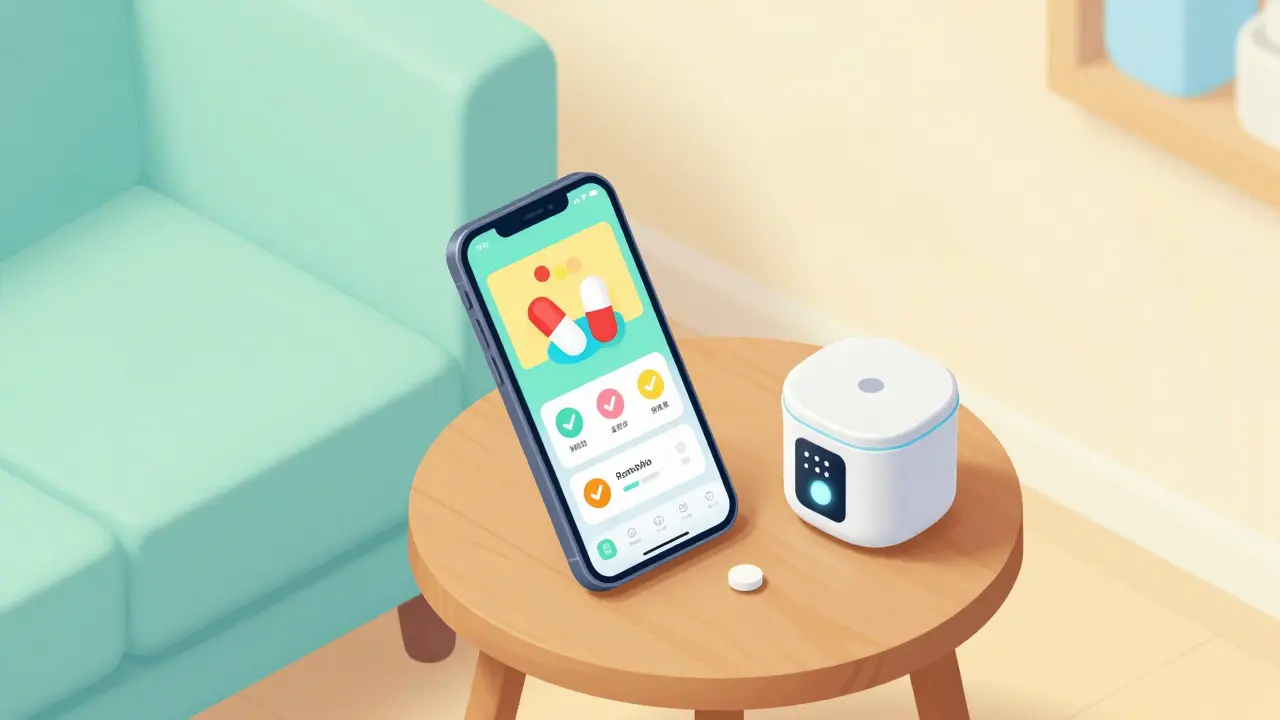
Medication Reminder Strategy Finder
Based on your needs and budget, this tool recommends the most effective medication adherence strategy from our guide.
Missing a dose isn't just an inconvenience; it's a medical risk. In the United States, non-adherence to prescribed medications leads to approximately 125,000 deaths and up to 25% of hospitalizations annually. The financial toll is staggering, with preventable healthcare costs estimated at $300 billion each year. For many patients, the issue isn't forgetfulness alone but the complexity of modern treatment regimens. Whether you are managing chronic hypertension, supporting a senior parent, or navigating a new prescription, having a robust medication reminder strategy is a critical component of your personal safety plan.
The landscape of adherence tools has evolved rapidly since the first dedicated apps launched around 2011. Today, options range from simple smartphone alarms to AI-driven platforms and Bluetooth-connected physical dispensers. Choosing the right tool depends on your specific needs, technical comfort level, and budget. This guide breaks down the most effective strategies available in 2026, helping you select a system that actually sticks.
Digital Medication Reminder Apps
Digital applications have become the backbone of modern medication management. As of 2024, the global market for these solutions is growing at nearly 19% annually, driven by increased telehealth usage and smartphone penetration. These apps do more than send notifications; they track refills, log symptoms, and often check for dangerous drug interactions.
Medisafe is one of the most widely used medication management platforms, boasting over 5 million downloads and a 4.5-star average rating. It excels in clinical settings due to its high-accuracy drug interaction checker, which boasts 99.2% accuracy in pharmacist tests. However, users often cite aggressive prompts to upgrade to the premium tier ($4.99/month) as a frustration. Medisafe also features a "MedFriend" system, allowing caregivers to receive alerts if a dose is missed, which is particularly valuable for elderly patients living alone.
Another strong contender is MyTherapy, which focuses on holistic health tracking alongside medication reminders. It integrates FDA-cleared blood pressure monitoring and symptom logging, making it ideal for younger users (18-35) who want a comprehensive view of their health metrics. A notable limitation is its lack of standalone functionality on Apple Watch, requiring the phone to be nearby for full access.
For those dealing with complex regimens, such as chemotherapy schedules, Dosecast offers precision scheduling down to 15-minute intervals. Its standout feature is medication photo recognition, which simplifies setup by scanning prescription labels. The trade-off is a subscription model starting at $2.99/month, which may deter budget-conscious users.
Smart Pill Dispensers and Physical Organizers
While apps are powerful, they require user engagement. If you struggle with cognitive impairment or simply prefer tactile feedback, physical organizers offer a reliable alternative. Traditional plastic pillboxes remain popular but lack accountability features. Smart dispensers bridge this gap by combining physical storage with digital connectivity.
The PillDrill Smart Medication System is a Bluetooth-enabled dispenser that holds up to 28 doses and syncs with a smartphone app. Priced at $129.99, it provides a visual and auditory cue when it’s time to take medication. However, user reviews indicate a 29% error rate when loading complex regimens, suggesting that initial setup requires careful attention or assistance from a pharmacist.
Hero Health offers another automated solution with its Hero Pill Dispenser, which operates on a subscription model of $30/month plus a $99.99 hardware cost. In Medicare trials, this system achieved a 92% adherence rate, significantly higher than standard methods. The subscription includes automatic refills, reducing the burden of pharmacy visits. This model works best for patients on stable, long-term prescriptions where convenience outweighs upfront costs.
Simple Alarms and Native Phone Features
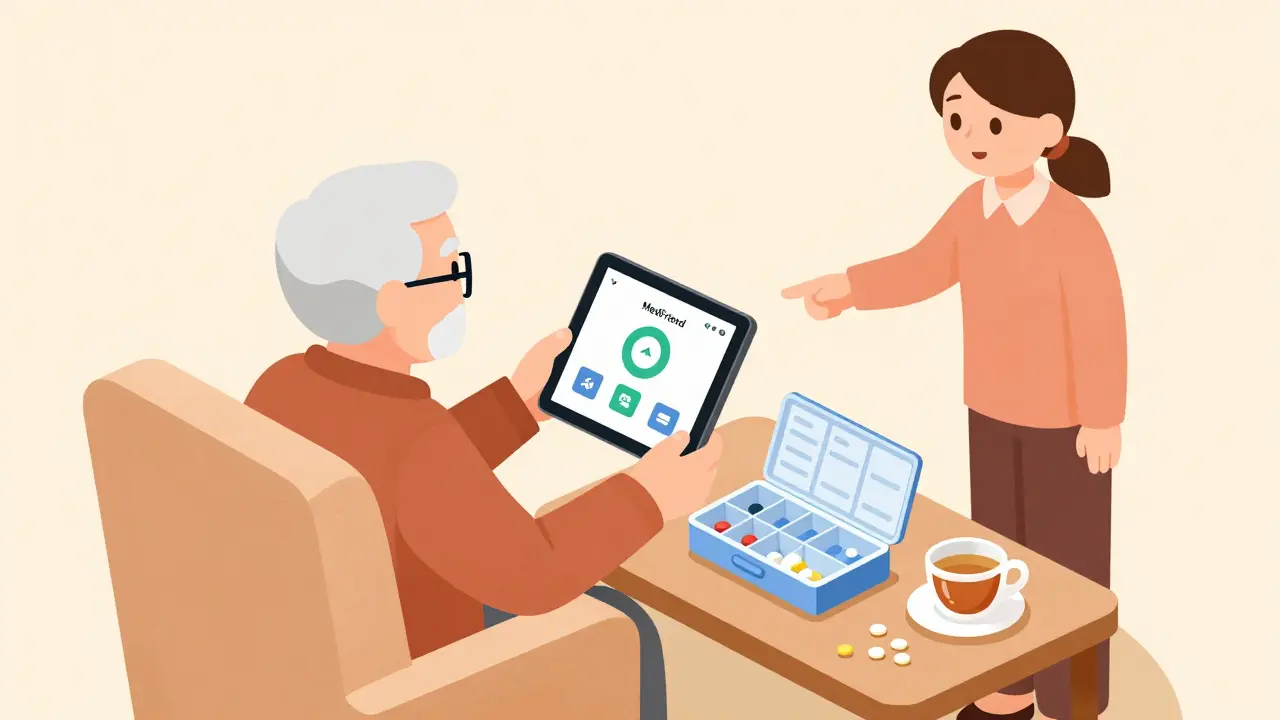
You don’t always need a specialized app. Built-in tools like iOS Reminders or Android Clock can serve as effective low-tech solutions. Studies from Duke University show that native alarms achieve 43% effectiveness in improving adherence. They are free, easy to set up, and don’t require creating new accounts or sharing data with third parties.
However, these basic tools have significant limitations. They fail for 68% of users with cognitive impairment because they lack context-knowing *what* to take, not just *when*. Additionally, notification fatigue is real; Dr. Sarah Ahmed from Johns Hopkins warns that 61% of users disable generic alerts within 30 days if they aren’t personalized. If you choose this route, pair it with a physical weekly pill organizer to ensure you know exactly what each alarm corresponds to.
Comparing Medication Reminder Solutions
To help you decide, here is a comparison of leading strategies based on key attributes:
| Solution Type | Best For | Cost Estimate | Key Limitation |
|---|---|---|---|
| Medisafe App | Caregiver coordination & interaction checks | Free / $4.99/mo | Aggressive premium upsells |
| MyTherapy App | Holistic health tracking (BP, symptoms) | Free | No standalone Apple Watch support |
| Dosecast App | Complex regimens (e.g., chemo) | $2.99/mo | Subscription required for core features |
| Hero Dispenser | High adherence via automation | $99.99 + $30/mo | High ongoing cost |
| Native Phone Alarms | Budget-conscious, simple routines | Free | Lacks context & drug interaction data |
Overcoming Implementation Challenges
Even the best tool fails if it’s too hard to use. Research shows that first-time setup for medication apps averages 17 minutes, with 68% of users needing tutorial assistance. To ensure success, follow these practical steps:
- Enroll a Caregiver Early: Adding a trusted contact boosts 90-day adherence rates from 62% to 88%. Use features like Medisafe’s MedFriend or Hero’s caregiver alerts.
- Verify Weekly: Set a recurring calendar event to review your medication list against your actual pills. This reduces errors by 53%.
- Customize Alerts: Avoid generic beeps. Use distinct sounds or voice notes for different medications to reduce confusion and combat notification fatigue.
- Check Compatibility: Ensure your device meets requirements. Most leading apps need iOS 14.0+ or Android 8.0+, and smart dispensers require Bluetooth 4.0+ or 5.0.
Support quality varies widely. Medisafe offers 24/7 live chat with a 2.1-minute response time, while EveryDose relies on email support with 48-hour delays. If you anticipate needing help, prioritize apps with robust customer service and detailed documentation, like MyTherapy’s 127-page illustrated guide.
Future Trends and Regulatory Changes
The medication reminder space is converging with broader health ecosystems. Apple’s Medications app, integrated into iOS 17.2+, now flags over 500,000 drug interactions using CDC data, reaching 12.7 million users in its first month. Google’s partnership with Walgreens allows automatic prescription syncing to Dosecast, cutting setup time by 73%.
Regulatory shifts are also shaping availability. Medicare’s 2023 Part D redesign now reimburses $15/month for FDA-authorized adherence tools, driving a 200% year-over-year adoption increase among seniors. However, sustainability remains a concern: a 2023 Princeton study found that 63% of free apps monetize through anonymized data sales. Always review privacy policies before entering sensitive health information.
Which medication reminder app is best for seniors?
Medisafe is often recommended for seniors due to its large font options, simple interface, and MedFriend caregiver feature. However, 42% of senior users report frustration with voice commands, so manual input may be preferable. For those with significant memory issues, a smart dispenser like Hero may be more effective than an app alone.
Are medication reminder apps HIPAA compliant?
Compliance varies by provider. Enterprise-focused platforms like Care4Today Connect are fully HIPAA-compliant and designed for clinic use. Consumer apps like Medisafe and MyTherapy generally comply with privacy laws but may share anonymized data for research or advertising. Always check the privacy policy for details on data handling.
Can I get reimbursed for medication reminder tools?
Yes, under Medicare Part D’s 2023 redesign, beneficiaries can receive up to $15/month reimbursement for FDA-authorized adherence tools. Check with your specific Medicare Advantage plan or pharmacy benefit manager to see which devices or apps qualify for coverage.
How accurate are drug interaction checkers in apps?
Leading apps like Medisafe boast over 99% accuracy in pharmacist tests. However, false positives can occur, such as flagging prenatal vitamins as interacting with Tylenol. Always verify critical warnings with your pharmacist or doctor, especially when starting new medications.
What should I do if I miss a dose despite using a reminder?
Consult your medication guide or pharmacist for specific instructions. Generally, if it’s close to the next scheduled dose, skip the missed one rather than doubling up. Log the missed dose in your app to track patterns and adjust your strategy if misses become frequent.


Comments (9)
Brett Aungst
10 Jul 2026
Look, I've been managing type 2 diabetes for five years now and let me tell you, the app landscape is a minefield. Medisafe is solid for the basics but that premium upsell is aggressive af. I ended up just using the free version with my wife as a MedFriend because she's basically my external hard drive for memory. The real game changer wasn't the app though, it was pairing it with a simple weekly pill organizer. Apps are great for reminders but if you're groggy in the morning, seeing the actual pills in the slot saves you from taking the wrong thing. Don't overcomplicate it unless you have a complex regimen like chemo or something.
Vinay Bairagi
11 Jul 2026
This entire article is a perfect example of Western dependency on technology for basic human functions. In India, we manage our health through discipline and family structures, not by paying $30 a month to some Silicon Valley startup to tell us when to swallow a pill. It is pathetic that Americans need an AI-driven platform to remember their own prescriptions. This is why your healthcare costs are astronomical while ours remain manageable despite our population size. You are outsourcing your responsibility to algorithms instead of building personal accountability. It is a sign of societal decay that we must be monitored by smart dispensers to stay alive. We do not need these gadgets to function properly as humans.
Blythe Ward
12 Jul 2026
oh honey please 🙄 like anyone here actually reads the privacy policy before handing over their blood pressure data to some sketchy third party. i mean really? you think apple or google cares about your HIPAA compliance when they can sell your anonymized habits to pharma giants? 😂 the whole premise of this guide is naive. sure, hero dispenser sounds fancy but paying $99 plus a subscription just to take your meds? that’s for people who have too much money and not enough sense. i stick to my native phone alarms because at least i know exactly what company is harvesting my metadata. also, the idea that ‘notification fatigue’ is solved by voice notes is laughable. nobody wants to hear their phone scream at them in a robotic voice every four hours. it’s 2026, grow up and manage your own schedule without needing a digital babysitter. 💅
Casey Eickhoff
14 Jul 2026
I find the distinction between digital and physical tools to be somewhat false; they work best in tandem. As someone who helps coordinate care for my elderly parents, I have found that the PillDrill system, despite its reported error rate during setup, becomes incredibly reliable once configured correctly with a pharmacist’s assistance. The key is not choosing one over the other but integrating them. For instance, using MyTherapy for holistic tracking while relying on the tactile confirmation of a smart dispenser ensures that cognitive decline does not lead to missed doses. It is a matter of creating a redundant safety net rather than seeking a single silver bullet solution.
Ellen Zeman
16 Jul 2026
hey everyone! i totally get why this stuff feels overwhelming sometimes. honestly tho, starting small is the best way to go. dont try to download every app at once or buy the most expensive gadget right away. just pick one thing that makes you feel less stressed. maybe its just setting a recurring calendar event like the article suggested. i used to forget all the time until i started linking my med time to brushing my teeth. habit stacking is real yall! also, dont be afraid to ask for help from friends or family. having someone check in on you can make such a huge difference in how you feel about your health journey. you got this! 💪✨
Mark Smalley
17 Jul 2026
I appreciate the detailed breakdown here, especially regarding the Medicare Part D changes. It is encouraging to see that adherence tools are finally being recognized as medically necessary rather than just lifestyle conveniences. However, I worry about the digital divide. Many seniors, who stand to benefit the most from these tools, may not have the technical literacy to navigate apps like Dosecast or even set up Bluetooth connections for the Hero dispenser. We need more community-based support systems to help bridge that gap. Technology should empower, not exclude.
Marlon Tomio
18 Jul 2026
The moral failure here is not forgetting a pill. It is trusting machines with life-or-death decisions. A beep is not a conscience. An app cannot replace the ritual of self-care. We have outsourced our autonomy to convenience culture. This is dangerous. Simplicity is virtue. Complexity is vice. Stop buying gadgets. Start living intentionally. The best reminder is discipline. Not an algorithm. Not a subscription. Discipline. Everything else is distraction. And distraction kills.
Sherrie Trecker
20 Jul 2026
Oh, spare me the lecture on 'discipline' and 'intentional living.' That is incredibly tone-deaf coming from someone who likely has the privilege of perfect memory and a stable routine. For people with ADHD, dementia, or simply crushing burnout from modern life, 'just use discipline' is not only unhelpful but actively harmful. These tools are lifelines, not distractions. If you cannot empathize with the reality of neurodivergence or chronic illness, perhaps you should refrain from offering pseudo-philosophical platitudes that ignore the structural and biological barriers many face. Your comment is as useless as a generic alarm clock for someone with cognitive impairment.
rob van oudernallern
20 Jul 2026
i mean... both sides kinda have a point lol. but yeah, sherrie is right that telling ppl to just 'be disciplined' is silly. i use the medisafe app cause its free and my mom checks if i took my meds. works for me. no need to get too deep into philosophy about it. just take the pill so u dont die. simple as that.