Pill Organizers and Weekly Medication Boxes: Safe Use Tips
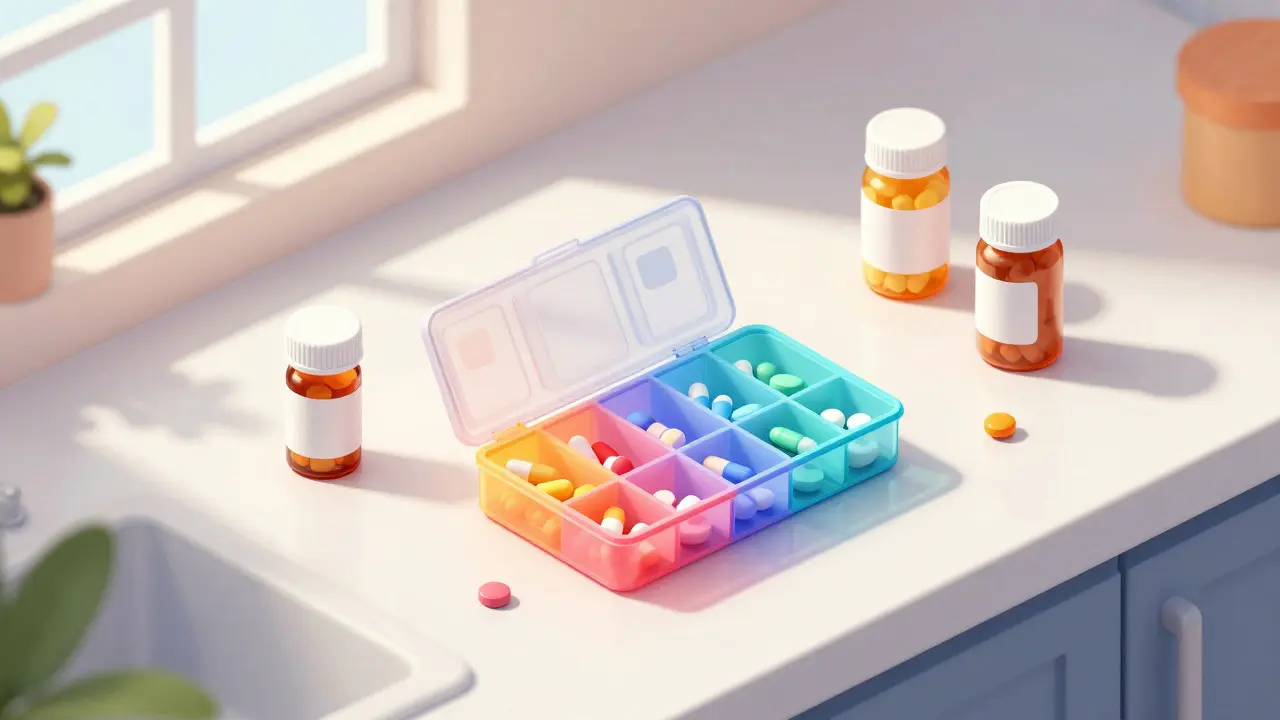
Do you trust that small plastic box sitting on your kitchen counter? For millions of people, a pill organizer is a compartmentalized container used to organize daily doses of medication by day and time. It’s the difference between staying healthy and missing a critical dose. But here is the catch: not every medicine belongs in one. Using a standard weekly box for the wrong type of drug can actually destroy its potency or lead to dangerous contamination.
You might think that just putting pills in compartments is enough to stay safe. The reality is more complex. While these tools boost adherence rates significantly, they introduce new risks if you don't know which medications are sensitive to moisture, light, or physical contact with other drugs. This guide breaks down exactly how to use these devices safely, which pills to keep in their original packaging, and how to clean your organizer to prevent bacterial growth.
Who Should Actually Use a Pill Organizer?
Pill organizers, also known as medication boxes or monitored dosage systems, are designed to simplify complex regimens. If you take multiple prescriptions, over-the-counter supplements, or vitamins, keeping track of what you’ve taken and what you haven’t can be overwhelming. Research shows that proper use of these containers can increase medication adherence by over 26%. That means fewer missed doses and better health outcomes.
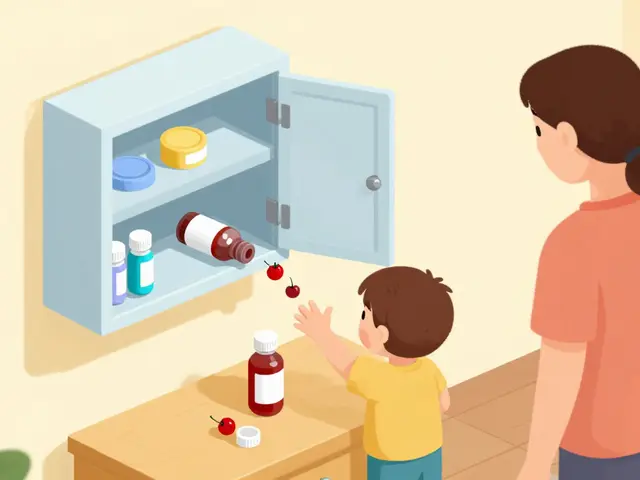
However, they aren't for everyone. They work best for "standing medications"-drugs you take on a fixed schedule every single day. If your medication routine changes frequently, or if you only take something when symptoms arise (like pain relievers), a pre-filled weekly box creates more confusion than it solves. Additionally, if you live with young children, you need a specific type of organizer. Standard open-lid boxes are easy access points for curious toddlers. You should look for child-resistant versions that require a specific manipulation sequence or a password to open, reducing the risk of accidental ingestion.
The Danger Zone: Medications That Don't Belong in a Box
This is the most critical part of using a pill organizer safely. Not all pills are created equal. Some medications are highly sensitive to environmental factors like humidity, temperature, and light. When you remove them from their original pharmaceutical packaging-which often includes desiccants (drying agents) and foil blisters-you expose them to ambient air.
A landmark safety communication from the FDA specifically warned against storing Pradaxa (dabigatran etexilate mesylate) in pill organizers. Why? Because Pradaxa is extremely moisture-sensitive. Studies showed that when removed from its original bottle with the desiccant cap, the drug lost up to 37% of its potency within just 30 days due to exposure to normal household humidity. In one documented case, a patient developed serious bleeding issues after repackaging this blood thinner into a weekly box. Once they returned to the original packaging, the symptoms resolved.
Other medications that generally require their original packaging include:
- Effervescent tablets: These dissolve quickly and lose effectiveness when exposed to moisture.
- Nifedipine: Sensitive to both light and humidity.
- Cabergoline: Has hygroscopic properties, meaning it absorbs water from the air.
- Sodium valproate: Can degrade rapidly in moist environments.
If you are unsure about a specific medication, check the label or ask your pharmacist. If the instructions say "keep in original container," do not transfer it to a pill box.
| Storage Method | Best For | Key Risks | Moisture Protection |
|---|---|---|---|
| Original Pharmaceutical Packaging | Moisture-sensitive drugs (e.g., Pradaxa), light-sensitive meds | Bulky, harder to track daily adherence visually | High (includes desiccants/foil) |
| Standard Plastic Pill Organizer | Stable oral solids, vitamins, routine chronic meds | Moisture exposure, cross-contamination, lid failure | Low (high permeability rate) |
| Electronic Dispenser (e.g., Hero) | Complex regimens, patients needing reminders | Higher cost, battery dependency, learning curve | Medium to High (some models have humidity control) |

Cleaning and Hygiene: Preventing Contamination
We tend to think of our pill boxes as sterile because they hold medicine, but they can become breeding grounds for bacteria. A study published in PMC found that nearly 29% of hospital-used pillboxes showed bacterial contamination, including Staphylococcus aureus. In home settings, the risk comes from dirty hands during loading and dust accumulation.
To keep your organizer sanitary, follow this simple protocol:
- Wash Your Hands: Before handling any medication, wash your hands with antimicrobial soap for at least 30 seconds. This prevents transferring skin bacteria to the pills.
- Disinfect the Surface: Wipe the outside of the organizer with 70% isopropyl alcohol before loading. Let it dry completely.
- Weekly Deep Clean: Empty the box once a week. If your organizer is dishwasher-safe (check the manufacturer's instructions), run it on the sanitize cycle (usually around 160°F or 71°C). If not, hand-wash with warm soapy water and let it air dry thoroughly before refilling.
- Dry Completely: Never put pills back into a damp container. Moisture trapped inside will accelerate degradation of sensitive medications.
Also, avoid sharing pill organizers among family members unless they are strictly designated for single-patient use. Cross-contamination between different users' medications can lead to serious errors.
Loading Safely: Avoiding Common Errors
Even with the right box and clean habits, human error plays a huge role in medication safety. Studies indicate that incorrect loading is the leading cause of errors involving pill organizers. Here is how to minimize mistakes:
Use a Flat, Well-Lit Surface: Don't load your pills while standing up or in a dimly lit room. Spread out your prescriptions on a table. Check each bottle against your prescription list. Make sure you are putting the correct pill in the correct day.
One Day at a Time: Instead of filling the entire week in one go, consider filling just two or three days at a time. This reduces the cognitive load and minimizes the chance of skipping a day or double-filling a compartment. If you must fill the whole week, do it at the same time each week, perhaps right after your pharmacy pickup.
Verify Before Closing: After placing a pill in a compartment, double-check that the lid snaps shut securely. Loose lids are a common complaint, especially during transport. If a lid pops open, pills can spill and get mixed up with other days' doses.
Keep Original Bottles Nearby: Until you are confident in your routine, keep the original medication bottles next to the organizer. This allows for quick verification if you're ever unsure about a pill's appearance or purpose.

Choosing the Right Type of Organizer
Not all pill boxes are the same. Your choice should depend on your specific needs, budget, and the types of medications you take.
Basic Weekly Organizers: These are inexpensive, ranging from $2 to $5, and feature seven compartments. They are ideal for simple regimens with one or two pills per day. Look for ones with large, clear labels and sturdy latches.
Multi-Time Compartments: If you take medication morning, noon, evening, and bedtime, you need a box with four compartments per day. These are larger and can be confusing if not labeled clearly. Ensure the labels are easy to read, especially if you have vision impairments.
Electronic Dispensers: Devices like the Hero Health dispenser offer alarms, locked compartments, and even app connectivity. They cost significantly more, often upwards of $200, but provide an extra layer of safety for those who forget to take their meds or struggle with memory issues. Some newer models even feature humidity-controlled compartments, addressing the moisture sensitivity issue for certain drugs.
Child-Resistant Models: Essential for households with kids under five. These require a specific action, like pushing down and turning, to open. They add a step to your routine but significantly reduce the risk of accidental poisoning.
When to Consult Your Pharmacist
Your pharmacist is your best resource for medication safety. Before switching to a pill organizer, ask them:
- "Are any of my medications moisture or light-sensitive?"
- "Should I keep any of these in their original packaging?"
- "Is my current regimen suitable for a weekly box?"
Pharmacists can also help you set up a system that works for your lifestyle. They may recommend specific brands of organizers or suggest alternative delivery methods, such as blister packs, if your medications are particularly unstable.
Can I put all my medications in a pill organizer?
No. Medications that are sensitive to moisture, light, or temperature should remain in their original packaging. Examples include Pradaxa, effervescent tablets, and nifedipine. Always check with your pharmacist before transferring any medication to a pill box.
How often should I clean my pill organizer?
You should wipe the exterior with 70% isopropyl alcohol before each loading session. Perform a deep clean once a week by washing with soap and water or running through the dishwasher if the model is dishwasher-safe. Ensure it is completely dry before refilling.
What is the best way to avoid loading errors?
Load your pills on a flat, well-lit surface. Verify each medication against its original bottle. Consider filling only a few days at a time rather than the entire week. Double-check that compartment lids are securely closed after loading.
Are electronic pill dispensers worth the cost?
For individuals with complex medication schedules, memory issues, or those who frequently miss doses, electronic dispensers can be very beneficial. They provide alarms and locked compartments to ensure adherence. However, they are significantly more expensive than basic plastic organizers.
Do pill organizers improve medication adherence?
Yes, research indicates that proper use of pill organizers can increase medication adherence rates by over 26%. They help visualize whether a dose has been taken, reducing the likelihood of skipped or double doses.