
Urticaria: Managing Hives, Identifying Allergic Triggers, and Using Antihistamines
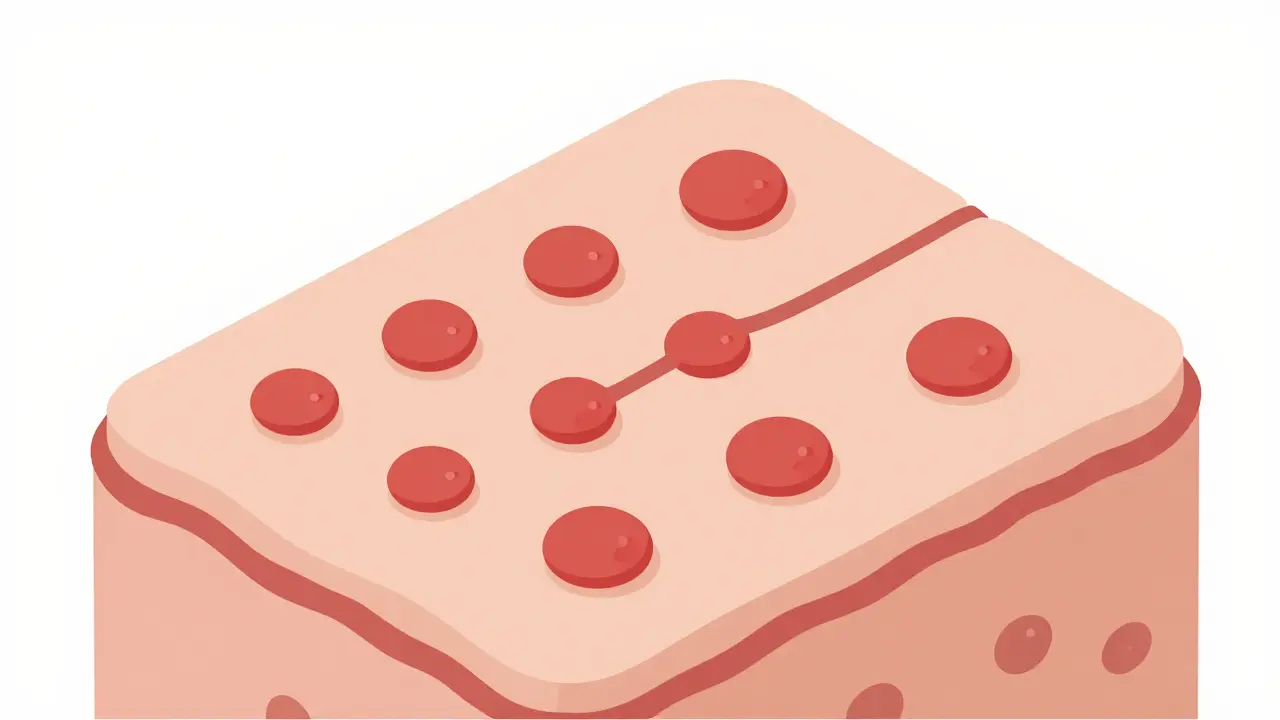
Your skin suddenly feels like it’s on fire. Red, raised welts appear out of nowhere, itching so intensely that you can’t focus on anything else. This is urticaria, commonly known as hives or nettle rash. It affects roughly 20% of people at some point in their lives, but for many, it’s more than a temporary annoyance-it’s a persistent battle with no clear end date.
Hives aren’t just a cosmetic issue; they are a visible sign that your immune system is reacting to something. Whether triggered by an allergy, stress, or even cold air, the underlying mechanism involves mast cells releasing histamine into your skin. Understanding what causes these reactions and how to manage them effectively is crucial for regaining control over your daily life.
What Exactly Are Hives?
To treat hives, you first need to understand what they are. Medically termed wheals, these are raised, red, itchy areas on the skin that can range from 1mm to several centimeters in diameter. They are often surrounded by erythema (redness) and result from vasodilation and increased vascular permeability caused by histamine release.
The key characteristic of true urticaria is that individual wheals typically resolve within 24 hours without leaving any marks, though new ones may appear elsewhere. If a single welt stays in the same spot for more than 24 hours, it might indicate a different condition, such as urticarial vasculitis, which requires different medical attention.
We categorize urticaria based on duration:
- Acute Urticaria: Lasts less than six weeks. Often linked to identifiable triggers like food allergies, infections, or medications.
- Chronic Spontaneous Urticaria (CSU): Persists for more than six weeks. In 70-80% of these cases, no specific external trigger is found, suggesting an autoimmune component.
According to the European Academy of Allergy and Clinical Immunology (EAACI), women are affected 1.5 to 2 times more frequently than men, with symptoms peaking between ages 30 and 50.
Identifying Common Allergic Triggers
For acute cases, finding the trigger is often straightforward. However, for chronic sufferers, the hunt for a cause can be frustrating. Here are the most common culprits:
| Trigger Category | Specific Examples | Prevalence in Chronic Cases |
|---|---|---|
| Physical Stimuli | Cold, heat, pressure, sunlight, vibration | 20-30% |
| Food & Additives | Nuts, shellfish, eggs, preservatives (benzoates) | Low (<5%) |
| Medications | NSAIDs (ibuprofen), antibiotics, ACE inhibitors | Moderate |
| Infections | Viral upper respiratory infections, H. pylori | Variable |
| Autoimmune Factors | Thyroid disease, autoimmune thyroiditis | 30-40% |
Dr. Sarbjit Saini from Johns Hopkins University notes that physical urticarias account for a significant portion of chronic cases. For example, if you get hives after carrying heavy grocery bags (pressure) or stepping out into cold wind, you likely have inducible urticaria. Specific avoidance strategies here can dramatically improve outcomes.
However, keep in mind that for most people with Chronic Spontaneous Urticaria, there is no identifiable external allergen. The immune system is essentially attacking itself. This is why relying solely on elimination diets often fails-unless you have a confirmed IgE-mediated food allergy, cutting out foods rarely stops CSU.
Antihistamines: The First Line of Defense
When mast cells degranulate, they release histamine. Antihistamines work by blocking the H1 receptors that histamine binds to, thereby reducing itching, swelling, and inflammation. They remain the cornerstone of therapy.
Not all antihistamines are created equal. We divide them into two generations:
- Second-Generation Antihistamines (Preferred): These include cetirizine (Zyrtec), loratadine (Claritin), and fexofenadine (Allegra). They are non-sedating for most people and provide 24-hour coverage. The FDA recommends starting with standard doses (e.g., cetirizine 10mg daily).
- First-Generation Antihistamines: Diphenhydramine (Benadryl) is effective but causes drowsiness in 50-70% of users. It also has a short half-life, requiring dosing every 4-6 hours, which disrupts sleep and daily function.
If standard doses don’t work, don’t panic. The 2023 International Consensus on Urticaria Guidelines recommend up-dosing second-generation antihistamines to 2-4 times the standard dose before considering other therapies. For instance, taking cetirizine twice daily instead of once. This approach achieves complete control in 40-50% of chronic cases.
Real-world user experiences highlight the variability. On Healthgrades, fexofenadine scores high for effectiveness (4.1/5) but lower for complete symptom relief (3.2/5). Some users report that loratadine wears off too quickly, while others find cetirizine provides reliable 8-10 hours of relief.
Advanced Treatments When Antihistamines Fail
About 50% of patients with chronic spontaneous urticaria do not achieve adequate control with antihistamines alone. In these cases, escalation is necessary. Dr. Marcus Maurer, Director of the Urticaria Center of Reference and Excellence, emphasizes early escalation to prevent quality of life deterioration.
Here is the typical step-up ladder:
- Omalizumab (Xolair): A biologic therapy approved by the FDA in 2014. It targets IgE antibodies. Given as a subcutaneous injection every four weeks (standard dose 300mg). Clinical trials show a 65% response rate in patients who failed antihistamines. While effective, it costs approximately $1,500 per dose in the US, and 35% of users report injection site reactions.
- Cyclosporine: An immunosuppressant used for severe, treatment-resistant cases. It shows 54-73% efficacy but carries risks of nephrotoxicity (15-20%) and hypertension (25-30%). It requires regular blood monitoring.
- Dupilumab: Approved by the FDA in September 2023 for chronic spontaneous urticaria. Phase 3 trials showed 55% complete response rates compared to 15% in placebo groups. It offers an alternative for those who don’t respond to omalizumab.
- Remibrutinib: A novel oral tyrosine kinase inhibitor approved in January 2024. It showed 45% complete symptom control in phase 3 trials at 50mg twice daily. As an oral medication, it offers better adherence rates (85%) compared to injectables.
Corticosteroids like prednisone are sometimes prescribed for short-term flare-ups (3-5 days). However, they are not suitable for long-term management due to side effects like hyperglycemia, insomnia, and mood changes. Cleveland Clinic studies note that 35% of patients experience hyperglycemia after just one week of use.
Living with Chronic Hives: Practical Strategies
Managing urticaria is as much about lifestyle as it is about medication. The learning curve for self-management is moderate, typically taking 2-4 weeks to identify personal patterns.
Start with these three steps:
- Consistent Medication: Take your antihistamine at the same time every day, regardless of whether you have symptoms. This maintains steady blood levels and prevents outbreaks rather than chasing them.
- Symptom Diary: Track potential triggers. Note what you ate, activities performed, stress levels, and weather conditions. Apps like 'Urticaria Tracker' (4.3/5 on App Store) can help automate this process.
- Skin Care: Use lukewarm water for showers (hot water worsens itching). Wear loose-fitting cotton clothing to reduce friction and pressure on the skin.
Don’t underestimate the mental toll. The European Academy of Dermatology and Venereology reports that 15-20% of chronic urticaria patients develop depression or anxiety. Support groups, such as the Urticaria Patients Association (15,000+ members globally), provide valuable community support. Remember, you are not alone in this struggle.
How long do hives last?
Individual hives (wheals) typically last less than 24 hours and disappear without a trace. Acute urticaria resolves within six weeks. Chronic urticaria persists for more than six weeks, often lasting months or years before going into remission.
Can I take antihistamines daily for chronic hives?
Yes. Second-generation antihistamines are safe for long-term daily use. Current guidelines recommend taking them regularly to prevent flares rather than only when symptoms appear. Up-dosing to 2-4 times the standard dose is also considered safe under medical supervision.
What is the best medication for severe hives?
For severe cases unresponsive to high-dose antihistamines, omalizumab (Xolair) is the preferred next-step treatment. Recently approved options include dupilumab and remibrutinib. Corticosteroids are reserved for short-term emergency relief only.
Are hives contagious?
No, urticaria is not contagious. It is an internal immune response. You cannot catch hives from someone else, nor can you spread them through contact.
When should I see a doctor for hives?
Seek immediate emergency care if hives are accompanied by difficulty breathing, swelling of the lips/tongue/throat, or dizziness, as these are signs of anaphylaxis. For non-emergency cases, consult an allergist if hives persist for more than two weeks or significantly impact your quality of life.