When to Seek Medical Help for a Suspected Drug Interaction
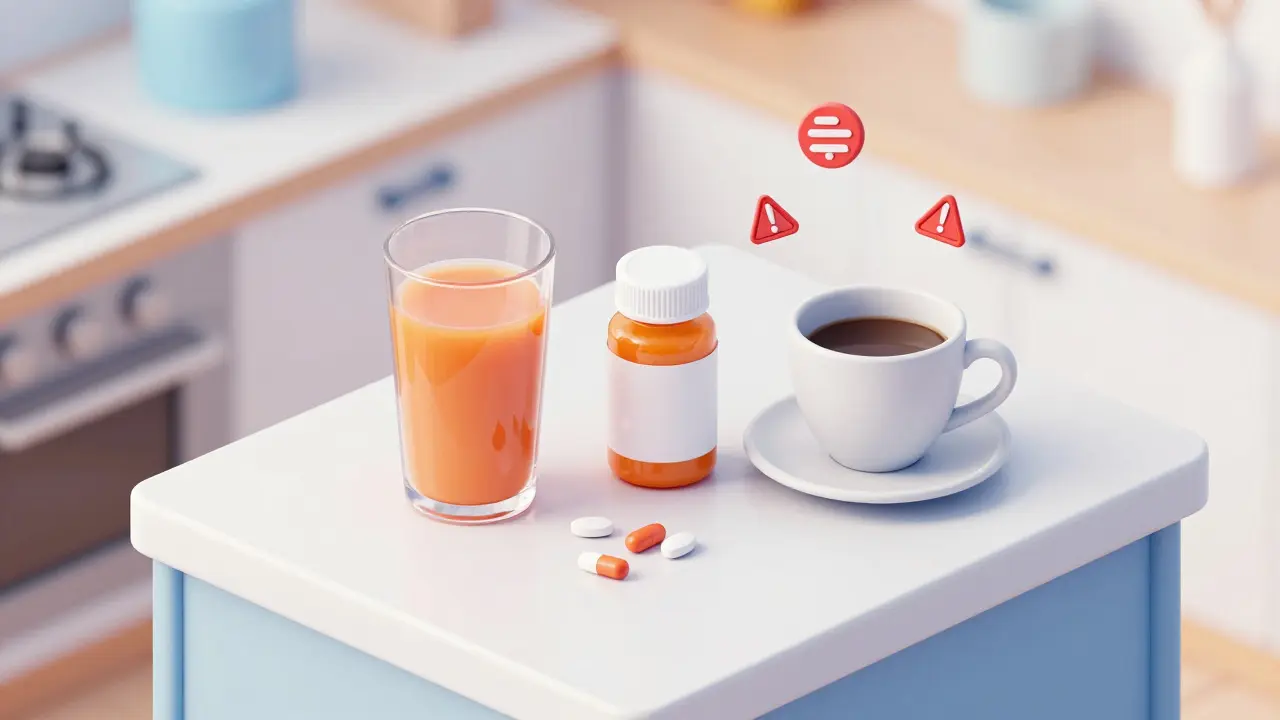
Imagine you just started a new prescription. You take it with your usual morning coffee and another daily pill. A few hours later, you feel dizzy, nauseous, or maybe even confused. Is this just a bad day? Or is something more dangerous happening inside your body?
This scenario plays out millions of times a year. Drug interactions are situations where one medication affects the activity of another drug, food, supplement, or substance, potentially altering effectiveness, increasing side effects, or causing unexpected adverse reactions. They aren't rare anomalies; they are a predictable part of modern medicine. According to the U.S. Food and Drug Administration (FDA), these interactions can make your drugs less effective, cause unexpected side effects, or dangerously increase the action of a particular drug.
The scary part isn't just that they happen-it's that many people don't know when to panic and when to wait. This guide cuts through the noise. It tells you exactly which symptoms mean "call 911 now" and which mean "call your doctor today."
The Three Main Types of Interactions
To understand the risk, you first need to know what kind of interaction you might be facing. Current medical understanding, as documented in Katzung's Basic & Clinical Pharmacology, recognizes three primary categories:
- Drug-Drug Interactions: These account for approximately 60% of serious interactions. This happens when two medications fight for the same metabolic pathways in your liver or kidneys.
- Drug-Food Interactions: About 20% of interactions fall here. Grapefruit juice is the most famous offender, but dairy products and alcohol also play major roles.
- Drug-Disease State Interactions: Roughly 20% of cases involve a medication worsening an existing health condition, such as taking certain decongestants if you have high blood pressure.
Why does this matter? Because the treatment differs. A mild stomach upset from a drug-food interaction might resolve by changing your diet. A severe drug-drug interaction could require hospitalization. Knowing the source helps you communicate better with healthcare providers.
Red Flags: When to Call Emergency Services Immediately
Some interactions move fast. If you suspect a severe reaction, do not wait to see if it gets better. Time is tissue, and in some cases, time is life. You should call 911 or go to the nearest emergency room immediately if you experience any of the following critical symptoms.
Respiratory Distress
If you are struggling to breathe, check your oxygen saturation if you have a pulse oximeter. A reading below 90% is a medical emergency. According to Mayo Clinic data, respiratory distress occurs in 78% of severe anaphylactic reactions. Even without a device, wheezing, gasping, or a feeling of tightness in the chest requires immediate attention.
Swelling of the Face and Throat
Watch for angioedema-swelling of the face, lips, tongue, or throat. StatPearls documents that this obstructs the airway in 42% of severe drug allergy cases. Airway compromise can progress to complete obstruction within 15 to 20 minutes. If your tongue feels like it’s swelling up in your mouth, seek help now.
Cardiovascular Instability
Your heart rate and blood pressure are vital signs of stability. The World Allergy Organization defines anaphylaxis criteria that include systolic blood pressure dropping below 90 mmHg combined with tachycardia (heart rate) exceeding 120 beats per minute. If you feel faint, your vision tunnels, or your heart races uncontrollably, these are signs your cardiovascular system is under severe stress.
Neurological Emergencies
Severe interactions can shock the nervous system. Look out for:
- Seizures: Generalized tonic-clonic seizures lasting longer than 2 minutes demand immediate care. A case study from University of Virginia Emergency Medicine highlights lidocaine toxicity leading to such events.
- Loss of Consciousness: If someone becomes unresponsive with a Glasgow Coma Scale score below 13, call emergency services.
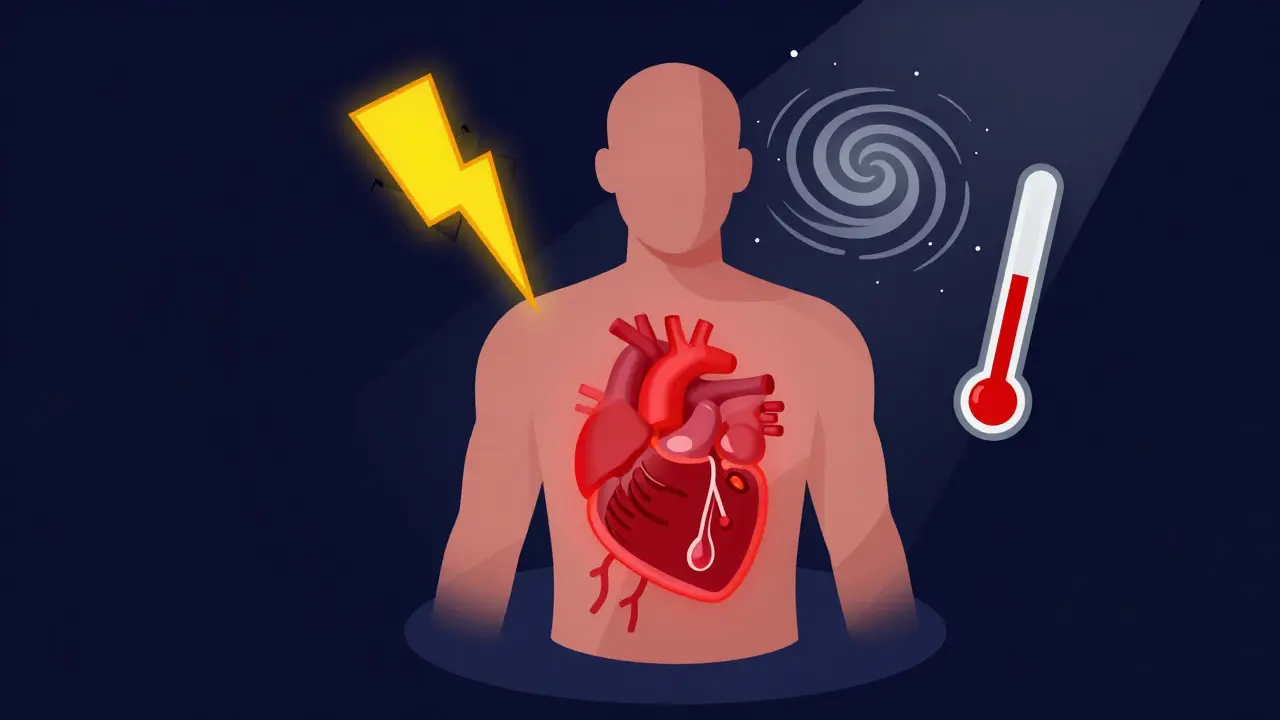
- Severe Serotonin Syndrome: This life-threatening condition presents with a temperature above 41.1°C (106°F), extreme muscle rigidity, and agitation requiring physical restraint. It affects 1-2% of patients on multiple serotonergic agents.
- Neuroleptic Malignant Syndrome: Occurring in about 0.02-0.04% of antipsychotic users, this involves core temperatures exceeding 40°C (104°F) and autonomic instability.
Yellow Flags: When to See a Doctor Within 24 Hours
Not every bad feeling is a 911 situation, but ignoring moderate symptoms can lead to hospitalization. The CDC reports that 350,000 emergency department visits annually result from adverse drug reactions (ADRs). Many of these could have been caught earlier. Contact your healthcare provider promptly if you notice these warning signs.
Skin Reactions
A widespread maculopapular rash covering more than 30% of your body surface area is a red flag for DRESS syndrome (Drug Reaction with Eosinophilia and Systemic Symptoms). While rare, occurring in 1 in 1,000 to 1 in 10,000 medication exposures, it is serious. Do not dismiss a spreading rash as just an allergy.
Persistent Fever
An unexplained fever above 38.5°C (101.3°F) that persists for more than 48 hours while on medication needs evaluation. This is particularly true if you are taking antibiotics or anticonvulsants. It may indicate serum sickness or early-stage DRESS.
Blood and Organ Issues
You won't always feel internal changes, but there are clues:
- Hematological Abnormalities: Unusual bruising or bleeding may signal thrombocytopenia (platelet count below 100,000/μL). Extreme fatigue could indicate drug-induced anemia.
- Liver Injury: Yellowing of the skin or eyes (jaundice), dark urine, or severe abdominal pain suggests hepatic involvement. ALT levels exceeding three times the upper limit of normal (>120 U/L) indicate drug-induced liver injury.
- Kidney Problems: A significant drop in urine output (below 0.5 mL/kg/hour for 6+ hours) or sudden swelling in the legs may indicate drug-induced nephritis. This accounts for 18-25% of acute kidney injury cases in hospitalized patients.
Understanding Severe Syndromes: Serotonin Syndrome and NMS
Two specific conditions often catch patients off guard because their symptoms mimic flu or anxiety. Recognizing them early saves lives.
Serotonin Syndrome occurs when too much serotonin builds up in the brain, usually from mixing antidepressants (SSRIs/SNRIs) with other serotonergic drugs like certain migraine medications (triptans), opioids (fentanyl, tramadol), or supplements (St. John’s Wort).
The American College of Emergency Physicians (ACEP) provides a decision rule: if you have two or more of the following simultaneously, seek immediate evaluation:
- Tachycardia (heart rate >100 bpm)
- Tachypnea (breathing >20 breaths/minute)
- Diaphoresis (excessive sweating)
- Mydriasis (dilated pupils)
- Hyperreflexia (overactive reflexes)
- Tremor
This cluster has a 97% sensitivity for detecting serotonin syndrome. Real-world accounts on platforms like Reddit show that patients often mistake these early signs for "just feeling unwell" until symptoms escalate to clonus (muscle spasms) and hyperthermia.
Neuroleptic Malignant Syndrome (NMS) is similar but associated with antipsychotics. It features high fever, lead-pipe muscle rigidity, and altered mental status. Creatine kinase levels often skyrocket above 10,000 U/L due to muscle breakdown. Both conditions require intensive care unit (ICU) admission in severe cases.
| Symptom Category | Immediate Emergency (Call 911) | Urgent Care (See Doctor <24h) |
|---|---|---|
| Respiratory | Oxygen saturation <90%, wheezing, airway swelling | Mild shortness of breath, cough |
| Cardiovascular | BP <90/60 mmHg, HR >120 bpm, chest pain | Mild palpitations, slight dizziness |
| Neurological | Seizures, unconsciousness, severe confusion | Tremors, mild headache, restlessness |
| Dermatological | Angioedema (throat/tongue swelling) | Rash covering >30% body, hives |
| Gastrointestinal | Intractable vomiting, inability to keep fluids down | Nausea, diarrhea, mild abdominal pain |
The Risk of Polypharmacy and Hidden Triggers
The more medications you take, the higher the risk. Data from IQVIA shows that polypharmacy (taking 5+ medications) affects 45% of adults over 65. For these patients, the Journal of the American Geriatrics Society reports a 57% risk of experiencing a major drug interaction.
It’s not just prescription pills. Herbal supplements account for 18% of serious interactions according to the National Institutes of Health. St. John’s Wort, ginkgo biloba, and garlic supplements can all alter how your liver processes drugs. Alcohol is another silent partner in many interactions, amplifying sedation or liver toxicity.
Dr. David Juurlink, head of clinical pharmacology at Toronto's Sunnybrook Hospital, emphasizes that the most dangerous interactions involve narrow therapeutic index drugs like warfarin, digoxin, and phenytoin. With these medications, a mere 20% change in blood concentration can be life-threatening. There is no margin for error.
Practical Steps: How to Manage and Prevent Interactions
Knowledge is power, but action keeps you safe. Here is how to protect yourself and your loved ones.
Use Reliable Checkers
Don't rely on memory. Use FDA-approved tools. The drug interaction checker on Drugs.com screens over 24,000 prescription and OTC medications with 500,000+ documented interactions. For HIV patients, the Liverpool Drug Interaction Group checker is essential, incorporating 1,200+ antiretroviral interactions with 94% sensitivity. However, remember that algorithms aren't perfect. Always consult a pharmacist or doctor for complex regimens.
The STOP Protocol
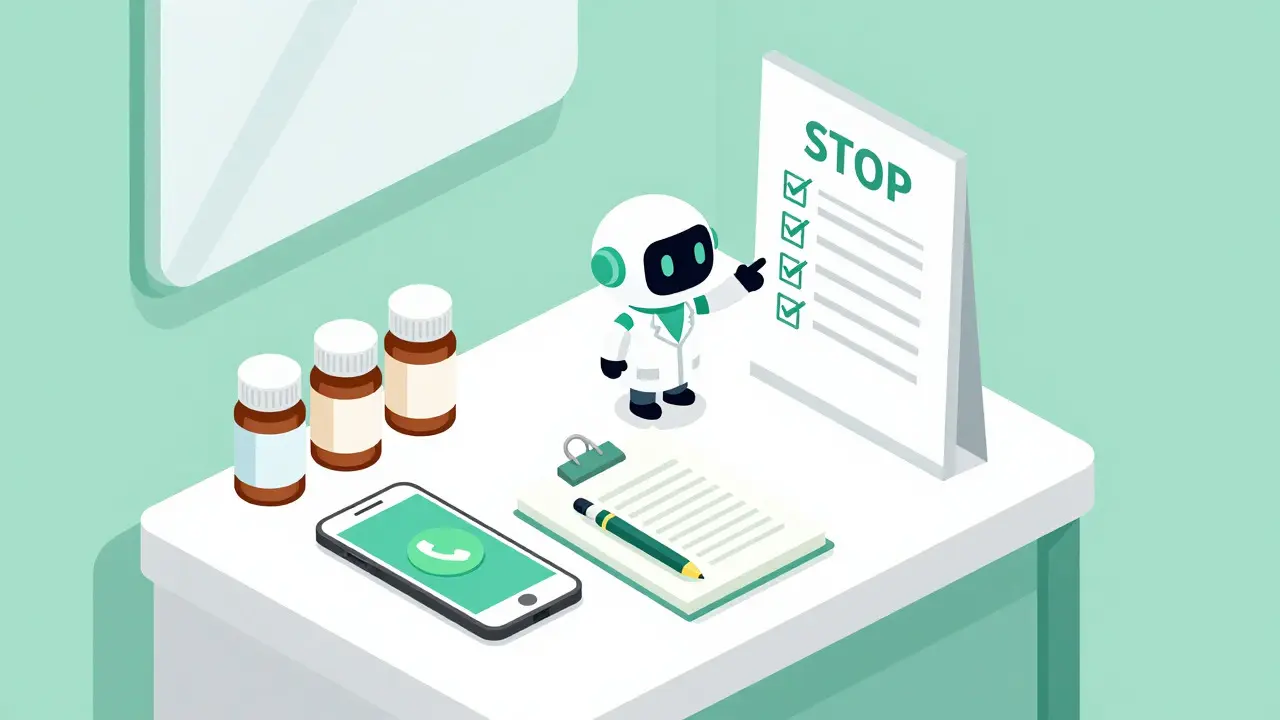
Kaiser Permanente recommends the 'STOP' protocol when you suspect an interaction:
- Stop taking the suspected medication (unless advised otherwise by a professional).
- Telephone your provider or poison control immediately.
- Observe and record your symptoms, including timing and severity.
- Present all medication containers, including supplements and OTC drugs, at your evaluation.
Communicate Clearly
Dr. Michael Wolf’s research found that 68% of patients couldn't correctly identify serious interaction symptoms from medication leaflets. Be proactive. Tell every doctor and pharmacist about every substance you take. Bring a written list to every appointment. Ask specifically: "Could this new pill interact with what I'm already taking?"
Monitor for Delayed Effects
Some interactions don't show up immediately. Liver damage or blood count changes can take days or weeks to manifest. If you start a new long-term medication, follow up on recommended lab tests. Don't skip those blood draws.
Conclusion: Trust Your Instincts
You know your body better than any algorithm. If something feels wrong after starting a new medication, it probably is. The Institute for Safe Medication Practices reports that 40% of adverse drug reactions are preventable through proper management. That prevention starts with you recognizing the signs.
Don't suffer in silence hoping it will pass. Whether it's a mild rash or a racing heart, seeking help early is the smartest move you can make. Your health is worth the phone call.
How quickly do drug interactions happen?
Timing varies widely. Some interactions, like allergic reactions or serotonin syndrome, can occur within minutes to hours of taking the medication. Others, such as liver damage or bone marrow suppression, may take days, weeks, or even months to develop. If you start a new medication, remain vigilant for at least the first two weeks.
Can food really interact with my medication?
Yes. Drug-food interactions account for about 20% of serious issues. Grapefruit juice inhibits enzymes in the gut that break down many drugs, leading to toxic levels in the blood. Dairy products can bind to certain antibiotics like tetracyclines, preventing absorption. Always read the label for dietary restrictions.
What should I do if I think I had a drug interaction?
Follow the STOP protocol: Stop the medication if safe to do so, Telephone your doctor or poison control, Observe your symptoms closely, and Present all medication bottles to your healthcare provider. Do not restart the medication without professional advice.
Are herbal supplements safe to mix with prescriptions?
Not necessarily. Herbal supplements account for 18% of serious drug interactions. St. John’s Wort can reduce the effectiveness of birth control and antidepressants. Ginkgo biloba can increase bleeding risk when taken with blood thinners. Always disclose supplement use to your doctor.
Who is most at risk for drug interactions?
Older adults are at highest risk due to polypharmacy. About 45% of adults over 65 take five or more medications, creating a 57% risk of major interactions. Patients with liver or kidney disease are also vulnerable because their bodies process drugs differently.
What is serotonin syndrome?
Serotonin syndrome is a potentially life-threatening condition caused by excessive serotonin activity. It typically results from combining SSRIs, SNRIs, MAOIs, or certain opioids. Symptoms include agitation, confusion, rapid heart rate, dilated pupils, and muscle rigidity. Immediate medical attention is required.