Do Statins Cause Insomnia and Vivid Dreams? The Truth About Lipophilic vs. Hydrophilic Options
Statin Sleep Impact Analyzer
Select your current or prescribed statin below to see its classification, brain penetration level, and associated sleep disturbance risk.
Simvastatin
LipophilicFat-soluble. Crosses blood-brain barrier easily.
Lovastatin
LipophilicFat-soluble. High brain penetration.
Atorvastatin
Moderately LipophilicLong half-life. Moderate brain penetration.
Pravastatin
HydrophilicWater-soluble. Low brain penetration.
Rosuvastatin
HydrophilicMostly water-soluble. Low brain penetration.
Pitavastatin
HydrophilicWater-soluble. Minimal brain interaction.
Analysis Result
Recommendations & Insights
Select a statin to learn more about its impact on sleep architecture and CoQ10 levels.
You take your pill at night to protect your heart, but instead of drifting off, you’re staring at the ceiling or waking up from nightmares that feel too real. If this sounds familiar, you are not alone. Millions of people worldwide rely on statins, which are cholesterol-lowering medications used to reduce cardiovascular risk to prevent heart attacks and strokes. Yet, a persistent question lingers in doctor’s offices and online forums: do these drugs actually disrupt your sleep?
The short answer is complicated. Large-scale clinical trials often show no significant difference between statin users and those taking placebos. However, real-world patient reports tell a different story. Many individuals describe severe insomnia, restless legs, and disturbingly vivid dreams after starting treatment. This article breaks down why this happens, which specific statins are more likely to cause issues, and what you can do about it without compromising your heart health.
The Science Behind Sleep Disruption
To understand why statins might affect your sleep, we need to look at how they work. Statins inhibit an enzyme called HMG-CoA reductase. This process lowers cholesterol production in the liver, but it also reduces the body’s production of coenzyme Q10 (CoQ10). CoQ10 is essential for energy production in cells, including those in your muscles and brain.
When CoQ10 levels drop, some patients experience muscle pain or weakness, known as Statin-Associated Muscle Symptoms (SAMS). Recent research suggests that these muscle symptoms might be directly linked to poor sleep. A 2024 study presented at the Sleep conference found that patients with SAMS reported significantly worse sleep quality. When they stopped taking the statin, their sleep efficiency improved by nearly 4%, and nighttime awakenings decreased by over 12%. This suggests that if your muscles ache because of the medication, your sleep will naturally suffer.
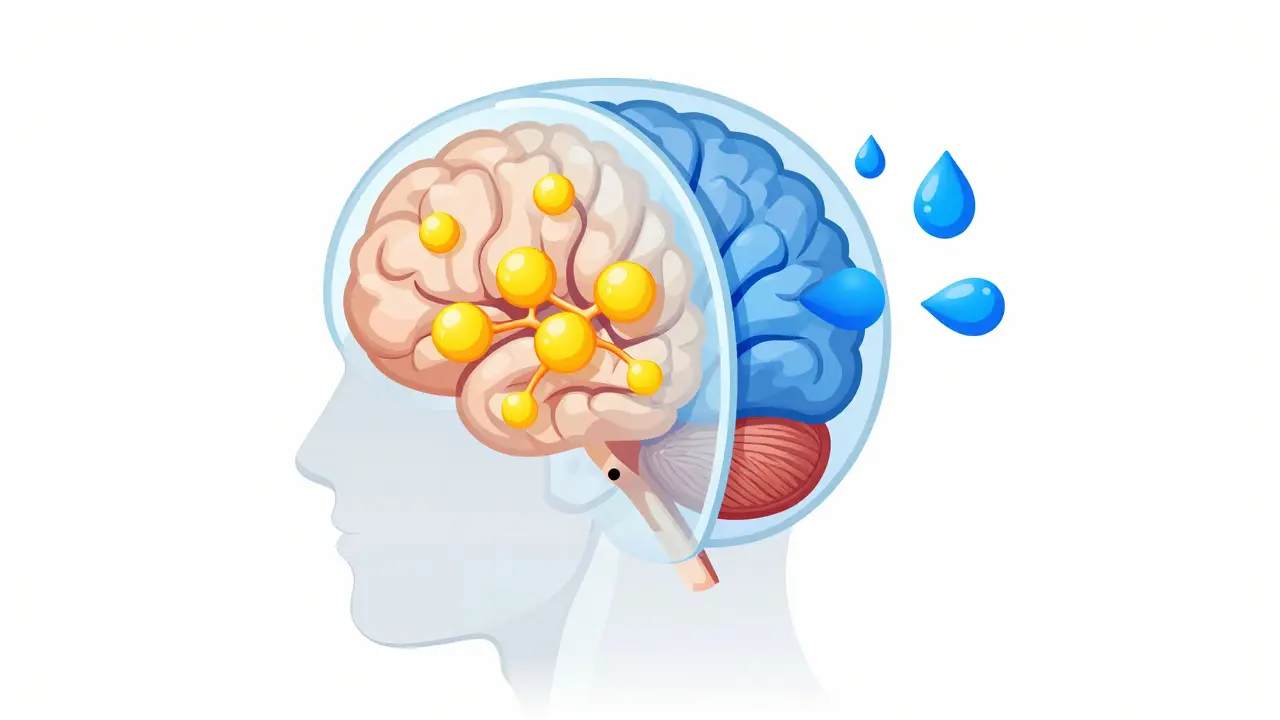
However, there is another factor at play: the blood-brain barrier. Not all statins are created equal. They differ in their chemical properties, specifically their lipophilicity (fat-solubility) versus hydrophilicity (water-solubility). This distinction is crucial for understanding why some people get insomnia while others don’t.
Lipophilic vs. Hydrophilic Statins
This is where the choice of medication matters most. Statins fall into two main categories based on how easily they cross cell membranes, including the protective barrier around your brain.
Lipophilic statins are fat-soluble. Because they dissolve easily in fats, they can penetrate the blood-brain barrier more readily. Once inside the brain, they may interfere with neurotransmitters or other processes that regulate sleep cycles. Common lipophilic statins include:
- Simvastatin
- Lovastatin
- Atorvastatin (moderately lipophilic)
Hydrophilic statins are water-soluble. They have a harder time crossing the blood-brain barrier, meaning less of the drug reaches the brain tissue. These options are generally considered safer for sleep-sensitive patients:
- Pravastatin
- Rosuvastatin (mostly hydrophilic, though some data shows mixed results)
- Pitavastatin
Research supports this theory. A pivotal 2007 study published in Circulation compared simvastatin (lipophilic) with pravastatin (hydrophilic). Participants taking simvastatin reported significantly worse sleep quality and more sleep problems than those on pravastatin or placebo. In contrast, the pravastatin group showed no significant difference from the placebo group. This suggests that the type of statin you take plays a major role in whether you experience sleep disturbances.
| Statin Name | Solubility Type | Blood-Brain Barrier Penetration | Reported Sleep Disturbance Risk |
|---|---|---|---|
| Simvastatin | Lipophilic | High | High |
| Lovastatin | Lipophilic | High | Moderate to High |
| Atorvastatin | Moderately Lipophilic | Moderate | Low to Moderate |
| Pravastatin | Hydrophilic | Low | Low |
| Rosuvastatin | Hydrophilic | Low | Low (Variable) |
The Nocebo Effect: Is It All in Your Head?
Before you panic and stop your medication, consider the power of expectation. The "nocebo effect" occurs when negative expectations lead to actual negative symptoms. If you read online forums filled with horror stories about statins causing insomnia, you might unconsciously start noticing every minor sleep interruption.
A massive 2018 study published in The Lancet involving 10,000 patients looked closely at this phenomenon. Surprisingly, participants taking atorvastatin reported fewer sleep disturbances than those taking a placebo pill. This contradicts the idea that statins inherently cause insomnia. Instead, it highlights how much our mindset influences our physical experience. If you believe the drug will keep you awake, you are more likely to struggle with sleep.
However, dismissing all complaints as nocebo ignores the biological reality of lipophilic statins. For many patients, the issue is physiological, not psychological. The key is distinguishing between the two through careful observation and, if necessary, switching medications.
Vivid Dreams and Nightmares
One of the most frequently reported side effects is not just trouble falling asleep, but strange, intense, or frightening dreams. Why does this happen?
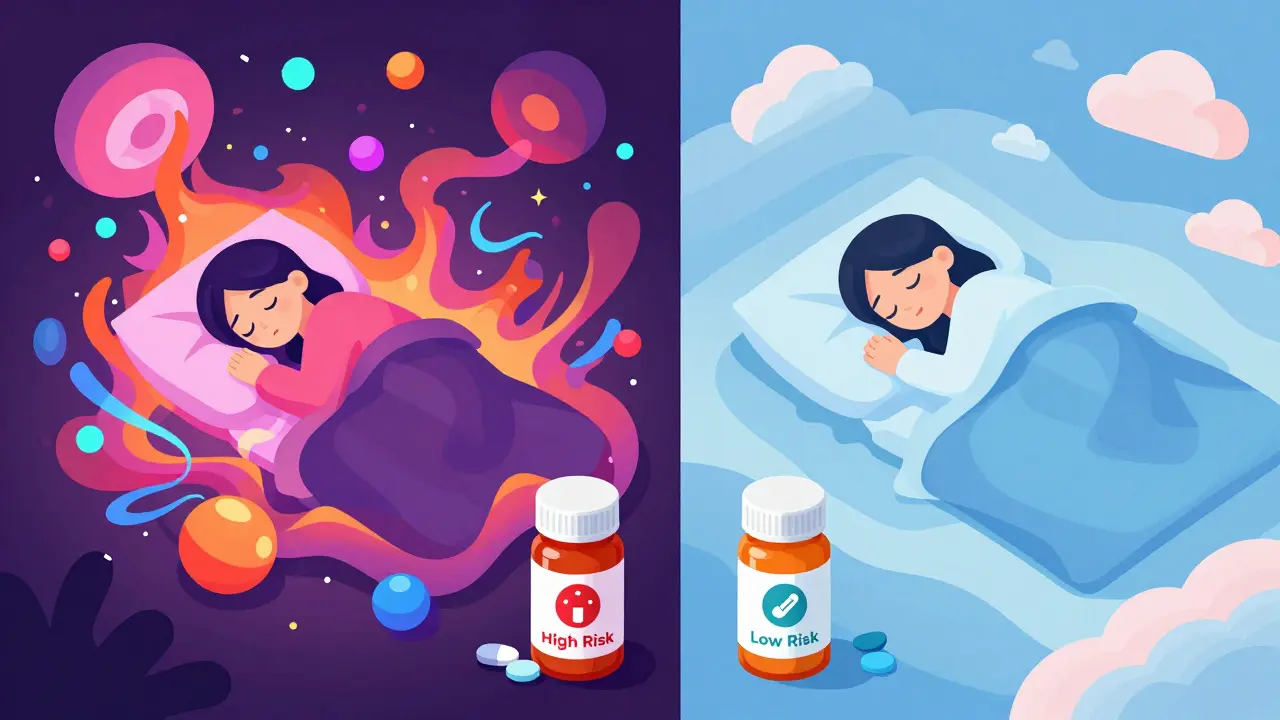
Dreams occur primarily during REM (Rapid Eye Movement) sleep. Some researchers believe that statins, particularly those that cross the blood-brain barrier, may alter REM sleep architecture. By affecting neurotransmitters like acetylcholine or serotonin, these drugs could intensify dream content or make them more memorable.
Patient anecdotes strongly support this. On community platforms like Reddit, users frequently share experiences such as, “I switched from atorvastatin to pravastatin, and my crazy dreams stopped immediately.” While anecdotal evidence isn’t scientific proof, the consistency of these reports across thousands of users suggests a real pattern. If you find yourself waking up confused or shaken by vivid imagery, your current statin might be disrupting your REM cycle.
What Should You Do?
If you suspect your statin is ruining your sleep, do not simply stop taking it. Stopping abruptly can raise your cholesterol levels quickly, increasing your risk of heart attack or stroke. Instead, follow these steps:
- Track your sleep. Keep a simple journal for two weeks. Note when you take your pill, how long it takes to fall asleep, and any unusual dreams. This helps identify patterns.
- Check the timing. Most statins are taken at night because cholesterol production peaks then. However, if sleep is an issue, ask your doctor if you can switch to morning administration. Some statins, like atorvastatin and rosuvastatin, have long half-lives and remain effective even when taken in the morning.
- Discuss switching. If you are on a lipophilic statin like simvastatin or lovastatin, ask your doctor about switching to a hydrophilic option like pravastatin. This change has resolved sleep issues for many patients without sacrificing cholesterol control.
- Consider CoQ10 supplementation. Since statins deplete CoQ10, some doctors recommend supplementing with 100-200mg daily. While evidence is mixed, it may help reduce muscle-related sleep disruptions.
Remember, individual responses vary greatly. One person might tolerate simvastatin perfectly, while another struggles severely. Your body’s unique metabolism and genetics play a huge role here.
When to Seek Help
Sleep disturbances should never be ignored. Chronic insomnia increases stress hormones, raises blood pressure, and negatively impacts heart health-the very things statins are meant to protect. If lifestyle changes and medication adjustments don’t help, consult a sleep specialist. Conditions like sleep apnea can mimic statin-induced insomnia and require different treatment.
Your doctor may also use tools like the Pittsburgh Sleep Quality Index (PSQI) to objectively measure your sleep health before and after making changes. This ensures that any decision is based on data, not just guesswork.
Can statins cause permanent sleep problems?
No, statin-related sleep disturbances are typically reversible. Most patients report improvement within 2-4 weeks of stopping the medication or switching to a different type. There is no evidence that statins cause permanent damage to sleep architecture.
Which statin is least likely to cause insomnia?
Pravastatin is generally considered the safest option for sleep-sensitive patients because it is hydrophilic and does not easily cross the blood-brain barrier. Rosuvastatin is another hydrophilic option, though some studies suggest it may still pose a slight risk compared to pravastatin.
Should I take my statin in the morning or evening?
Traditionally, statins are taken at night to align with peak cholesterol production. However, if you experience sleep issues, switching to morning administration can help. This works well for long-acting statins like atorvastatin and rosuvastatin. Short-acting statins like simvastatin and lovastatin are less effective when taken in the morning.
Do all statins cause vivid dreams?
Not all statins cause vivid dreams. The risk is higher with lipophilic statins (simvastatin, lovastatin) that penetrate the brain. Hydrophilic statins (pravastatin) are less likely to affect dream content. Individual sensitivity also plays a major role.
Is the nocebo effect real regarding statins and sleep?
Yes, the nocebo effect is significant. Large studies show that some patients on placebo report more sleep issues than those on active medication due to negative expectations. However, this does not mean all complaints are imaginary; biological factors like lipophilicity also contribute.