Antacids and Antibiotics: How to Time Doses to Avoid Dangerous Interactions
You take your morning pill for heartburn. Then you pop your antibiotic for that stubborn infection. It feels like responsible self-care. But you might just be flushing your medication down the drain. Taking antacids and antibiotics at the same time can drastically reduce how much medicine actually gets into your bloodstream, turning a powerful cure into a placebo.
This isn't a minor side effect. Studies show that improper timing can cut antibiotic absorption by up to 90% for certain drugs. If you're treating a urinary tract infection or a respiratory issue, this drop in effectiveness doesn't just mean slower healing-it often means treatment failure, recurring infections, and potentially dangerous antibiotic resistance. You need to know exactly when to separate these two common medications to stay healthy.
Why Antacids Block Antibiotics
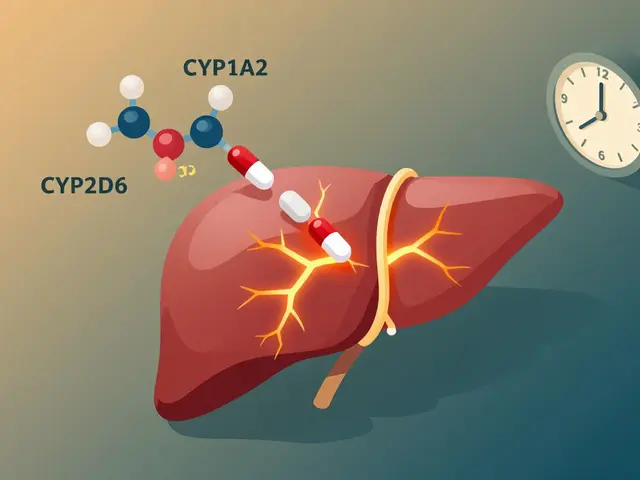
To understand why you shouldn't mix these pills, we have to look at what happens in your stomach. The problem comes down to two main chemical processes: chelation and pH alteration. Most over-the-counter antacids contain minerals like aluminum, magnesium, or calcium. These are polyvalent cations-chemically charged particles that love to bond with other things.
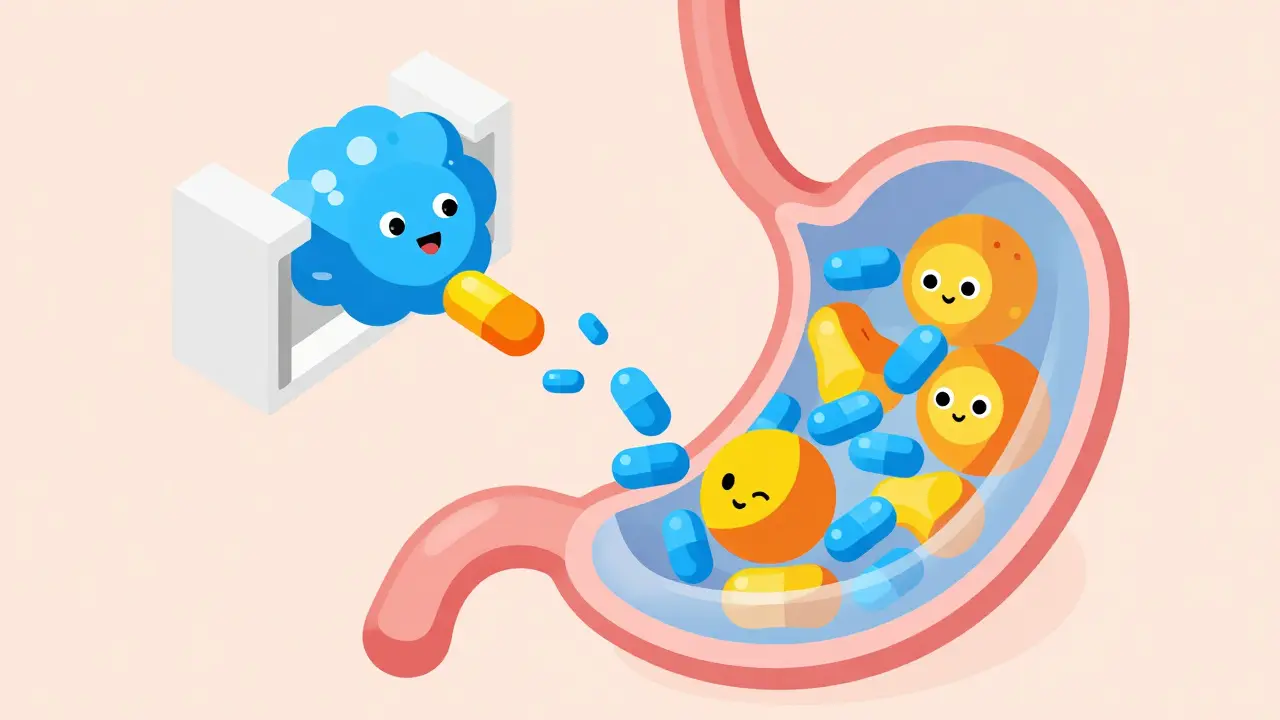
When you swallow an antibiotic like tetracycline or ciprofloxacin, it needs to dissolve in your stomach acid and pass through the intestinal wall into your blood. But if those mineral ions from the antacid are present, they grab onto the antibiotic molecules. This process is called chelation. They form a clump-a complex-that is too large and insoluble to be absorbed. Your body simply passes it right through as waste.
Secondly, antacids raise the pH level of your stomach, making it less acidic. Some antibiotics require a specific acidic environment to break down properly. Without that acidity, the drug stays intact but unabsorbed. The result? You take the pill, but your body never gets the medicine.
The High-Risk Antibiotics
Not all antibiotics suffer equally from this interaction. If you are taking penicillin or macrolides, the risk is lower. However, two specific classes of antibiotics are notoriously sensitive to antacids: fluoroquinolones and tetracyclines.
Ciprofloxacin (a fluoroquinolone) is perhaps the most vulnerable. Research indicates that taking it with antacids containing aluminum or magnesium can reduce absorption by up to 90%. That is a massive difference. Levofloxacin falls into this same high-risk category. These drugs are often prescribed for serious infections, so losing nearly all their potency is a significant medical danger.
Doxycycline and tetracycline are also highly affected. Doxycycline absorption can drop by 30% to 50% when paired with antacids. While not as catastrophic as the 90% loss seen with ciprofloxacin, a 50% reduction is still enough to fail to clear an infection, especially in patients with weaker immune systems.
| Antibiotic Class | Examples | Absorption Reduction Risk | Required Separation Time |
|---|---|---|---|
| Fluoroquinolones | Ciprofloxacin, Levofloxacin | High (75-90%) | 4 hours after or 2 hours before antacid |
| Tetracyclines | Doxycycline, Tetracycline | Moderate-High (50-70%) | 2-3 hours separation |
| Beta-Lactams | Amoxicillin, Cephalexin | Low-Moderate (15-25%) | 1-2 hours separation |
| Macrolides | Azithromycin, Clarithromycin | Low (Minimal) | 2 hours precautionary separation |
The Golden Rule of Timing
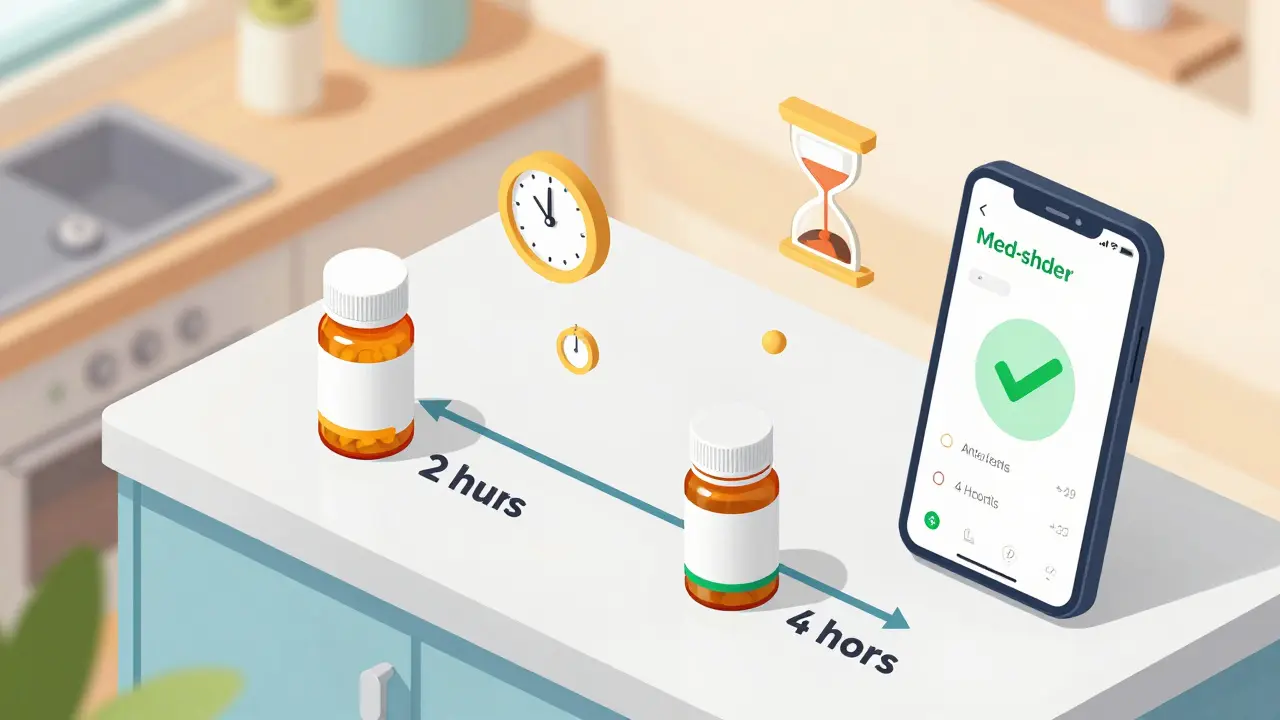
If you cannot avoid taking both medications, you must separate them by time. The general rule of thumb recommended by the Cleveland Clinic and NHS guidelines is simple: take your antibiotic either 1 hour before or 4 hours after your antacid.
Why four hours? Because it takes time for the antacid to leave your stomach and small intestine. By waiting four hours, you ensure that the bulk of the mineral ions have moved past the primary absorption sites where the antibiotic would otherwise bind to them. For fluoroquinolones specifically, the window is strict: at least 2 hours before or 4 hours after the antacid.
For tetracyclines like doxycycline, a 2-to-3-hour gap is usually sufficient, but sticking to the wider 4-hour window provides a safety buffer. Even for safer antibiotics like amoxicillin, which only sees a 15-20% drop in absorption, separating doses by 1-2 hours ensures you get the full therapeutic benefit.
Practical Scheduling for Real Life
Sounds easy in theory, but life is messy. You might have heartburn at dinner time, and your antibiotic dose is scheduled for bedtime. Here is how to handle common scenarios:
- The Morning Routine: If you take an antacid for breakfast heartburn, wait at least 4 hours before taking your noon-dose antibiotic. Alternatively, take the antibiotic first thing in the morning on an empty stomach, then wait an hour before eating or taking any antacid.
- Nighttime Heartburn: Many people take antacids before bed. If your antibiotic is due at night, take it 4 hours earlier (e.g., at 8 PM) and save the antacid for bedtime. Or, take the antacid early in the evening and the antibiotic right before sleep, ensuring a 4-hour gap.
- Frequent Antacid Use: If you need antacids every few hours, standard timing becomes nearly impossible. In this case, talk to your doctor about switching to an H2 blocker (like famotidine) or a proton pump inhibitor (like omeprazole). These acid reducers work differently and have far fewer interactions with antibiotics. A 2023 study showed this switch reduced treatment failure rates from 27% to 9%.
Use technology to help. Apps like MyMedSchedule allow you to input both medications, and they will flag the interaction and suggest optimal times. Visual aids, such as drawing a timeline on a piece of paper taped to your fridge, can also significantly improve compliance, especially for older adults managing multiple pills.
Signs Your Treatment Is Failing
How do you know if the interaction has already happened? Watch for returning symptoms. If you were treated for a UTI with ciprofloxacin but took it with Tums, you might feel better for a day or two, only to have the pain and urgency return strongly. This is classic treatment failure due to subtherapeutic drug levels.
Dr. Sarah Thompson from Johns Hopkins notes that failure to separate these drugs is a top preventable cause of outpatient antibiotic failure. If your symptoms persist or worsen after 48 hours of starting antibiotics, contact your provider immediately. Do not just increase the dose on your own. You may need a different antibiotic class entirely, such as metronidazole, which does not interact significantly with antacids.
Future Solutions and New Formulations
Pharmaceutical companies are aware of this widespread issue. In 2023, the FDA approved a novel extended-release formulation of ciprofloxacin (Cipro XR-24) designed specifically to resist antacid interference. Early trials showed it maintained efficacy even when taken closer to antacids, though standard timing advice still applies until broader data confirms its independence. Always check the specific brand and formulation instructions provided by your pharmacist.
As antibiotic resistance grows, ensuring every milligram counts is critical. The CDC estimates that 15% of emerging fluoroquinolone resistance could be linked to under-dosing caused by these very interactions. Proper timing isn't just about personal comfort; it's a public health imperative.
Can I take my antibiotic with food if I'm using antacids?
Yes, but food itself can affect absorption. For example, doxycycline should generally be taken with a full glass of water to avoid esophageal irritation, but heavy meals can delay gastric emptying. The key is the time gap between the antacid and the antibiotic, regardless of food. Ensure the 2-4 hour separation is maintained whether you eat or not.
Does this apply to liquid antacids or only tablets?
Yes, it applies to all forms. Liquid antacids often act faster and may coat the stomach lining more thoroughly, potentially increasing the surface area for chelation. Tablets like Tums (calcium carbonate) or Maalox (aluminum/magnesium hydroxide) behave similarly once dissolved. Always treat liquids and solids with the same caution regarding timing.
What if I forget and take them together?
Don't panic, but don't double your next dose. Monitor your symptoms closely. If you suspect significant interaction (especially with ciprofloxacin), contact your healthcare provider. They may advise extending your course slightly or switching antibiotics if symptoms persist. Never take extra pills without medical advice, as this can lead to toxicity.
Are natural antacids like baking soda safe with antibiotics?
Baking soda (sodium bicarbonate) changes stomach pH but does not contain the polyvalent cations (calcium, magnesium, aluminum) that cause severe chelation. However, it still alters the acidic environment needed for some drugs. While the risk is lower than with commercial antacids, maintaining a 1-2 hour separation is still prudent practice.
Which antibiotics are safest to take with antacids?
Metronidazole shows negligible interaction with antacids. Beta-lactams like amoxicillin and cephalexin have low interaction risks (15-20% reduction), making them safer options if timing separation is difficult. Macrolides like azithromycin also have minimal issues. If you have chronic heartburn requiring frequent antacids, ask your doctor if one of these classes is appropriate for your infection.