
Calcineurin Inhibitors Side Effects: Comparing Cyclosporine and Tacrolimus Risks

Medication Risk Profile Comparator
Tacrolimus (Prograf)
Preferred for initial transplant (85% usage). Higher risk of blood sugar issues.
Cyclosporine (Sandimmune)
Approved since 1983. Known for cosmetic side effects but gentler on blood sugar.
Select a focus area above to read clinical notes.
Living with an organ transplant is a balancing act. You get a second chance at life, but the medications keeping that new organ safe come with a heavy price tag. If you are taking Tacrolimus or Prograf, a common calcineurin inhibitor, you likely know this feeling. These drugs, known collectively as Calcineurin Inhibitors, suppress your immune system so it doesn't reject the donor organ. But suppressing your immunity often means fighting a battle on other fronts-your kidneys, your nerves, and even your blood sugar levels.
Many patients walk into their appointments worried about rejection, yet they often underreport the daily side effects that plague them. A recent survey of over 2,800 transplant recipients found that nearly 80% would switch to a different regimen if they could find one that was equally effective but caused fewer headaches. Understanding exactly where these problems come from, and how to manage them, can turn that anxiety into action. Here is what you need to know about navigating the side effects of these powerful drugs.
How Calcineurin Inhibitors Work and Why They Matter
To understand why you feel tired, shaky, or thirsty, you first need a grasp of what these pills are doing inside your body. Calcineurin Inhibitors are a class of immunosuppressant medications. Their main job is to stop your T-lymphocytes (white blood cells) from attacking your new organ. They do this by blocking a protein called calcineurin. Think of calcineurin as the "go" signal for your immune system. When you take these meds, you throw a wrench in that signaling system.
This mechanism saves lives. Since the FDA approved Cyclosporine in 1983 and Tacrolimus in 1994, these drugs have become the cornerstone of transplant therapy. Currently, about 85% of kidney transplant patients are prescribed Tacrolimus because studies show it offers slightly better graft survival rates in the first year compared to older options. However, because the margin between a therapeutic dose and a toxic dose is narrow, side effects are not just possible-they are statistically probable. Research indicates that anywhere from 25% to 75% of long-term users experience some form of toxicity, particularly affecting the kidneys and nervous system.
Comparing the Profiles: Cyclosporine vs. Tacrolimus
While both drugs belong to the same family, they punch differently. One might affect your appearance more, while the other might mess with your balance or blood sugar. It is not a case of one being "better" overall, but rather having different trade-offs. For instance, if you have a history of diabetes risk factors, one drug might be more dangerous than the other. Below is a breakdown of how their most common adverse events stack up against each other.
| Side Effect Category | Tacrolimus Frequency | Cyclosporine Frequency | Clinical Notes |
|---|---|---|---|
| Nephrotoxicity (Kidney) | 25-75% | 25-75% | Both cause acute reversible constriction; chronic fibrosis risk exists for both. |
| Neurotoxicity | High (30-70%) | Moderate (10-25%) | Tacrolimus strongly linked to tremors and sleep disturbances. |
| New-Onset Diabetes | 15-30% | 5-15% | Tacrolimus is more damaging to beta-cells responsible for insulin secretion. |
| Hair Growth (Hirsutism) | Low (<5%) | High (20-30%) | Extra facial or body hair is rare with Tacrolimus but common with Cyclosporine. |
| Gum Overgrowth | Rare | Common (15-25%) | Gingival hyperplasia is distinct to Cyclosporine use. |
| GI Distress | High (30-45%) | Lower (15-25%) | Tacrolimus users report significantly more nausea and diarrhea. |
The data above highlights a critical decision point for doctors when choosing a maintenance protocol. While Tacrolimus is more aggressive about protecting the organ from rejection, it comes with a higher metabolic cost. Cyclosporine, though less frequently used today, avoids the severe neurological shaking and blood sugar spikes but introduces cosmetic challenges and gum issues. Your medical history determines which set of risks is more manageable for your body.
Kidney Damage and Monitoring Protocols
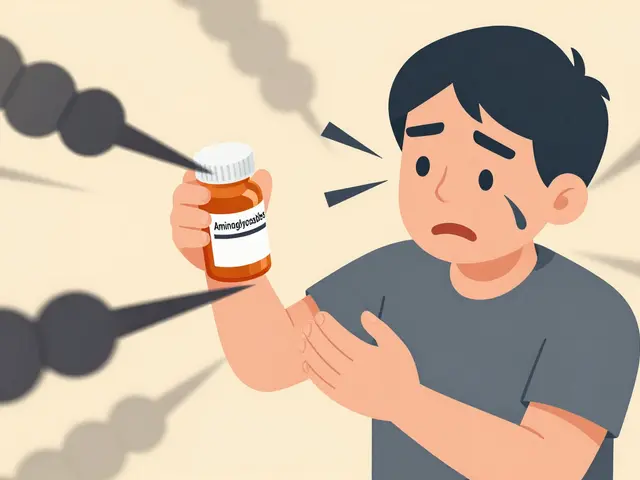
It sounds counterintuitive: the drug saving your new kidney can also hurt it. This phenomenon is called nephrotoxicity. It occurs through two mechanisms. First, the drug causes the tiny arteries leading to the kidney filters (afferent arterioles) to constrict. This reduces blood flow, causing a temporary rise in creatinine levels. Second, long-term exposure leads to scarring within the kidney tissue, known as interstitial fibrosis. Studies suggest that chronic damage accounts for a significant portion of late-stage graft losses.
You cannot always feel this happening until the damage is advanced, which is why monitoring is vital. Clinical guidelines recommend checking your serum creatinine twice weekly when starting these meds. Once stable, monthly checks are standard, but that requires vigilance. Magnesium is another area often overlooked. Low magnesium (hypomagnesemia) affects 40-60% of patients on these drugs. If you feel muscle weakness or heart palpitations, ask your doctor to check your levels; supplementation is often required to keep numbers above 1.8 mg/dL.
Modern transplant centers are increasingly adopting "minimum effective dose" strategies. Instead of dosing to maximum safety, doctors aim for the lowest level that still prevents rejection. For Tacrolimus, this target has dropped from 10-15 ng/mL decades ago to 5-10 ng/mL in maintenance phases. Lowering the trough level can dramatically reduce the risk of kidney scarring without sacrificing the organ's safety.
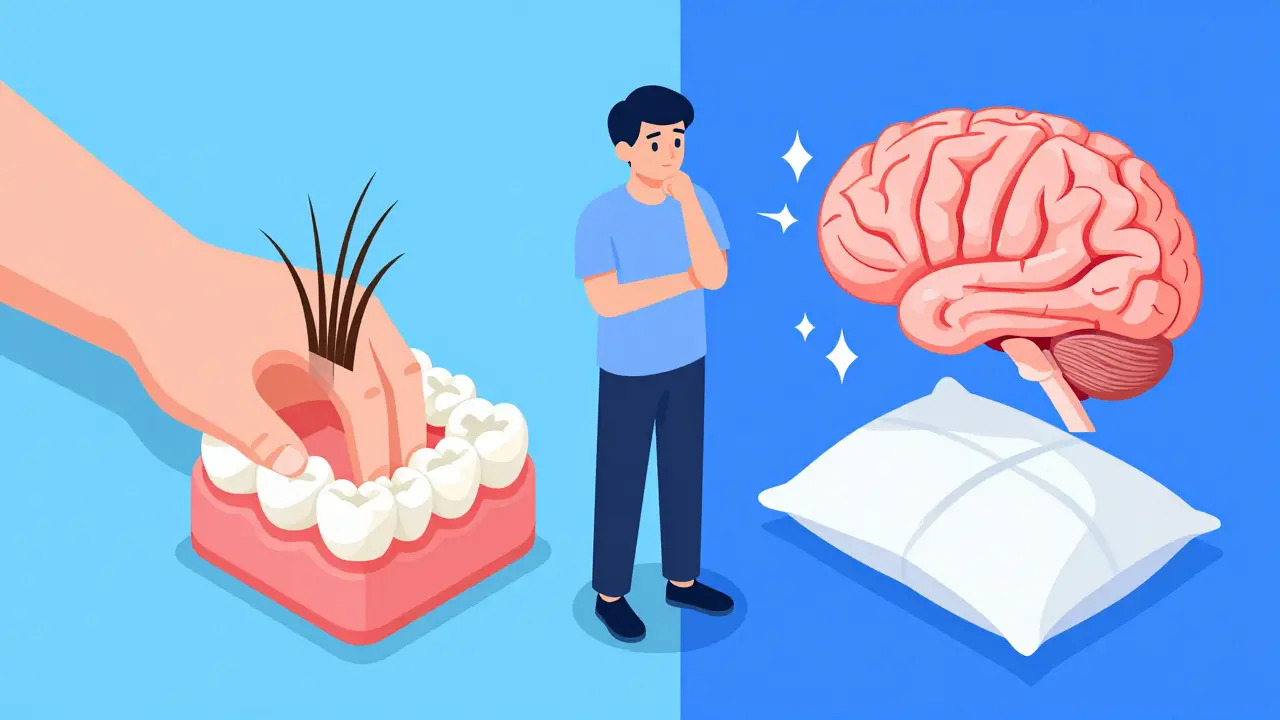
Neurological Side Effects: Tremors and Sleep Issues
If you ever look down at your hands and see them shaking uncontrollably, especially when holding a cup of coffee, that is likely CNI neurotoxicity. Postural tremor is perhaps the most visible sign of these medications. About 67% of patients taking Tacrolimus report significant trembling, compared to roughly 28% on Cyclosporine. Beyond the shake, many patients describe cognitive fog. It is hard to focus, memory seems slightly impaired, or you feel constantly drowsy despite sleeping.
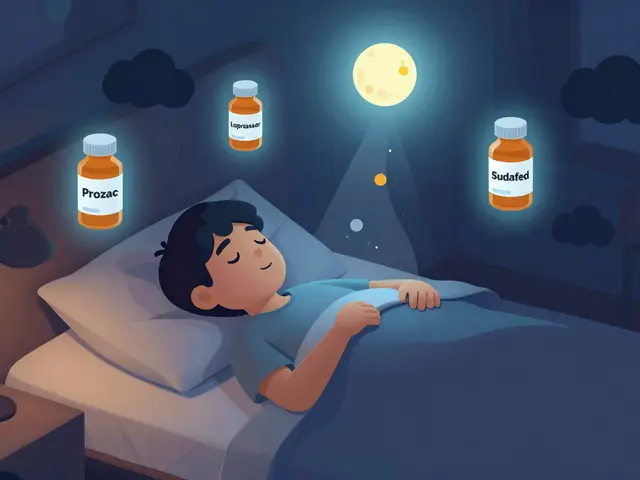
Sleep disturbances are a major, unspoken complaint. More than 65% of patients on these regimens report insomnia or fragmented sleep. Some cases have even been linked to severe conditions resembling Parkinson's disease, although this is rarer. There is a documented link where reducing the Tacrolimus dose can resolve these tremors in nearly 80% of patients within four weeks. If your quality of life drops because you cannot hold a pen or sleep through the night, this is not something you have to accept as "normal." A conversation about lowering your dosage or adding a protective agent (like a calcium channel blocker) is worth having.
Metabolic Shifts: Blood Sugar and Pressure
One of the most serious long-term consequences involves your metabolism. Post-transplant Diabetes Mellitus, or PTDM, is a condition where your body loses its ability to produce enough insulin after the surgery. It is driven heavily by the impairment of beta-cell function. Tacrolimus is significantly more diabetogenic than Cyclosporine. About 15-30% of people on Tacrolimus develop this condition, versus 5-15% on Cyclosporine. If you already had pre-diabetes before the transplant, your risk doubles.
Blood pressure is another universal concern. Both drugs tend to raise hypertension in 50-70% of users due to vascular constriction. High blood pressure accelerates kidney damage and increases heart attack risk. Combined with the potential for high cholesterol and weight gain, cardiovascular health becomes the leading cause of morbidity years after the transplant. Early intervention with SGLT2 inhibitors has shown promise in preventing progression to full-blown diabetes when caught early. Doctors now screen glucose tolerance strictly, aiming to catch prediabetes before it becomes permanent.

Cosmetic and Physical Changes
The psychological impact of changing how you look is real and should not be minimized. Cyclosporine is famous for causing Hirsutism-excess hair growth. You might find thick hair sprouting on your face, back, or arms. Additionally, it can trigger Gingival Hyperplasia, where your gums grow over your teeth, causing pain and dental hygiene issues. This rarely happens with Tacrolimus. Conversely, Tacrolimus users generally avoid the hair issues but struggle more with GI distress like nausea and diarrhea, reported in up to 45% of cases.
Understanding these specific profiles helps you prepare. If you are prone to anxiety about your appearance, knowing that one drug might spare you unwanted hair growth while the other won't is crucial. Dental care becomes non-negotiable if you stay on Cyclosporine, whereas stomach protectors and anti-diarrheals might be part of your routine if on Tacrolimus.
Management Strategies and Alternatives
You do not necessarily have to suffer silently. Several strategies exist to mitigate these side effects while keeping your organ safe. Therapeutic Drug Monitoring (TDM) is the first line of defense. Regularly testing blood trough levels ensures you are not getting "too much" medicine. Sometimes, lifestyle changes matter too. Maintaining hydration, avoiding grapefruit (which alters drug metabolism dangerously), and sticking to a consistent schedule for doses help stabilize your levels.
If side effects become intolerable, switching therapies is an option. Newer agents like voclosporin offer a similar mechanism but with lower blood pressure risks in certain contexts. Alternatively, Belatacept is a non-CNI option that avoids the kidney toxicity entirely. It works well for low-risk patients, though it carries a slightly different infection risk profile. For those struggling with neurotoxicity or diabetes, converting to an mTOR inhibitor (like Sirolimus) or withdrawing the CNI completely (if immunologically stable) are valid paths discussed in 2024 clinical trials.
Next Steps for Patients and Families
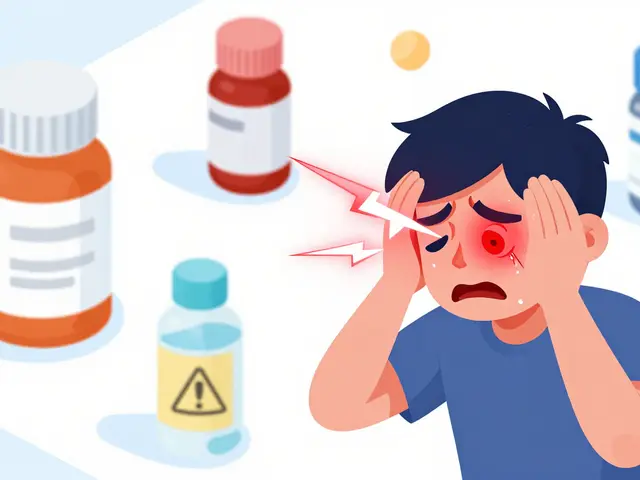
When discussing side effects with your transplant team, bring a list. Isolate the symptoms to a timeline: Did the tremors start right after your dose increased? Are you experiencing thirst after a change in diet? Specific details help doctors adjust your regimen accurately. Remember, the goal has shifted from just "keeping the organ" to optimizing your overall health for the next decade. Don't settle for sub-par quality of life if adjustments can be made. Keep communicating, monitor your labs closely, and advocate for a personalized minimization strategy if the side effects outweigh the benefits of the current dosage.
Can Calcineurin Inhibitor side effects go away?
Yes, some are reversible. Acute toxicity, such as tremors or high creatinine caused by high blood levels of the drug, often resolves when the dose is lowered or the drug is switched. However, chronic damage like kidney scarring may be permanent once established.
What is the difference between Cyclosporine and Tacrolimus regarding diabetes?
Tacrolimus is significantly more likely to cause new-onset diabetes mellitus (15-30% risk) compared to Cyclosporine (5-15% risk). If you have existing blood sugar issues, your doctor might prefer Cyclosporine or a CNI-free regimen.
Does Tacrolimus cause hair loss or growth?
Unlike Cyclosporine, Tacrolimus rarely causes hair growth (hirsutism). Some patients may experience mild hair thinning or scalp sensitivity, but excessive hair growth is usually associated with Cyclosporine use.
Are there alternatives to avoid kidney toxicity?
Yes. Belatacept is a CNI-free alternative that spares kidney function but requires careful selection of low-risk patients. mTOR inhibitors like Sirolimus are also used to replace CNIs in long-term maintenance to reduce renal strain.
How do I know if my kidney is being damaged?
Monitoring serum creatinine and eGFR is essential. Stable or rising creatinine alongside swelling in your legs or changes in urine output warrants immediate attention. Long-term biopsies are sometimes needed to detect silent fibrosis.


Comments (11)
Aysha Hind
1 Apr 2026
Let's be real about the corporate greed behind this whole narrative. They tell you it's a balancing act but really it's just selling your biology back to you on expensive installments. Tacrolimus sounds fancy until you realize it's basically poisoning your nerves for profit margins. You think you're fighting rejection when actually you are fueling the machine that keeps you alive. The truth is buried under layers of clinical jargon designed to make normal people feel stupid. Stop letting them convince you that toxicity is just part of the package deal. We deserve transparency instead of these sugar-coated statistical tables. It is insulting to suggest we accept kidney damage as a standard cost of living. If the drug hurts you then why are doctors still prescribing it like it is chocolate? This industry thrives on our silence so let us scream louder than their data sheets ever could.
Lawrence Rimmer
2 Apr 2026
Pain teaches lessons that comfort never could offer.
Dipankar Das
4 Apr 2026
It is imperative that every individual maintains strict adherence to their prescribed regimen despite the unpleasantities presented herein. Compliance ensures longevity which is the ultimate goal of transplantation medicine today. We must prioritize the function of the graft over temporary discomfort caused by neurotoxicity risks. Your health depends upon discipline rather than emotional reactions to potential side effects. Trust the science because the alternative involves organ failure and subsequent mortality rates. Stay strong in your commitment to survival through pharmaceutical intervention protocols.
sophia alex
5 Apr 2026
Only Americans know how to handle real transplant medicine with style 😡😠 Our system is superior compared to those weak foreign nations 🇺🇸💊 Why do they complain when we provide the world’s best drugs?? Some people just lack the backbone to endure modern medical miracles 🙄✨ Be grateful or go home!
Hope Azzaratta-Rubyhawk
6 Apr 2026
Every challenge presents a unique opportunity for personal growth within the realm of chronic disease management strategies. You are stronger than any tremor or blood sugar fluctuation could possibly define for you today. Believe in your ability to overcome these hurdles with grace and determination throughout the journey ahead. Medical professionals stand ready to assist you whenever complications arise unexpectedly during treatment phases. Keep your spirits high while monitoring your labs closely for optimal outcomes.
simran kaur
7 Apr 2026
Of course they want you dependent on beta-cell destruction without admitting the truth. The FDA approval dates hide a lot of dirty experiments from the public eye naturally. Big Pharma loves creating new diabetes problems just to sell insulin next month. Why trust a protein blocker that shuts down your own natural defenses against everything else? It feels like a trade-off that nobody actually asked for in the first place. These statistics are likely skewed to hide the full extent of the toxicity involved. Wake up and question the source before taking another pill blindly.
Jenna Carpenter
8 Apr 2026
Yall really dont kno wat u r takin if y don read da label propperly. Meds r nt plaything for kids whant quick fix evryting. Doc says take em then take em or lose ur new kidney fast. Dont b stuped thinking u r better than da stats shown here clearly. Listen 2 da experts insted of posting garbage online like this right now.
Brian Shiroma
9 Apr 2026
Wow, another person who decided to lecture strangers about their dosage compliance issues online. Nothing screams credibility quite like typing insults about kidneys from behind a screen. I hope your liver handles all the stress of judging others properly enough. Sarcasm aside the medical advice is probably correct though usually boring. Just keep taking the pills and ignoring the internet drama mostly.
Rachelle Z
10 Apr 2026
Wow!!! This is such important information!!!! Please share it everywhere!!! :heart::heart: Sometimes the truth gets hidden!!! 😱 Don't ignore your body signs!!! :wave: We're all in this together!!! :hugs:
Branden Prunica
11 Apr 2026
I mean it's wild how much damage these cause. Like imagine waking up shaking constantly just because you survived cancer. Or maybe you didn't survive cancer but you got a kidney now. Whatever works. Sometimes I wonder if the side effect profile is actually worth the price tag honestly. Not saying stop meds! But the human cost is heavy. People don't talk about this enough online. The marketing hides the trembling hands and the thirst. And the hair growth. Oh god the hair growth on men. It's brutal out there. Survival feels like a victory lap on broken legs. Nobody celebrates the daily struggle part. They only celebrate the hospital discharge papers. But we are still alive so that matters most.
Ace Kalagui
11 Apr 2026
As someone who has seen friends navigate this difficult path from different cultural backgrounds around the globe I understand deeply how frightening the unknown can feel for patients. You need to remember that every medication comes with a purpose even when the side effects seem overwhelming to manage on a daily basis. Consistency is key to preventing rejection episodes during early recovery phases specifically. Building a support network with other transplant recipients helps because shared experiences reduce the fear of isolation significantly. Communication with your doctor regarding symptoms like tremors or fatigue allows them to adjust dosages effectively without compromising safety levels. Patience is truly a virtue when healing takes years rather than weeks to show real progress results. Remember that your body is doing its best to adapt to the new organ presence inside your chest cavity area. Small victories count more than large milestones when dealing with chronic immunosuppression therapy regimens. Eating well and managing hydration supports kidney function alongside the powerful pharmaceutical interventions described above. Mental health resources are available because stress exacerbates physical symptoms significantly more than people admit. Take one day at a time and focus on the breath rather than the terrifying statistics found online easily. Life goes on regardless of the challenges thrown at you by modern medicine complexities. Keep trusting your care team while staying informed about your own health numbers regularly. Never hesitate to advocate for yourself within reason to ensure quality of life remains possible. You are not alone in this journey many walk this road together with strength.