
Decongestants and Blood Pressure Medications: Hypertension Interaction Risks Explained
Decongestant Safety Checker
This tool helps you determine if a decongestant is safe for you based on your blood pressure status.
Please complete the form above to see safety recommendations.
Imagine you wake up with a stuffy nose and reach for the first box on the shelf. It promises quick relief, but what if that relief comes with a hidden cost for your heart? For millions of people managing high blood pressure, that over-the-counter cold medicine isn't just a simple fix. It can be a dangerous trigger. You might think a cold pill is harmless because it doesn't require a prescription, but the reality is far more complex. This is especially true if you are taking Blood Pressure Medications to manage Hypertension. Understanding the link between these two common treatments is not just medical trivia; it is a matter of safety.
How Decongestants Raise Your Blood Pressure
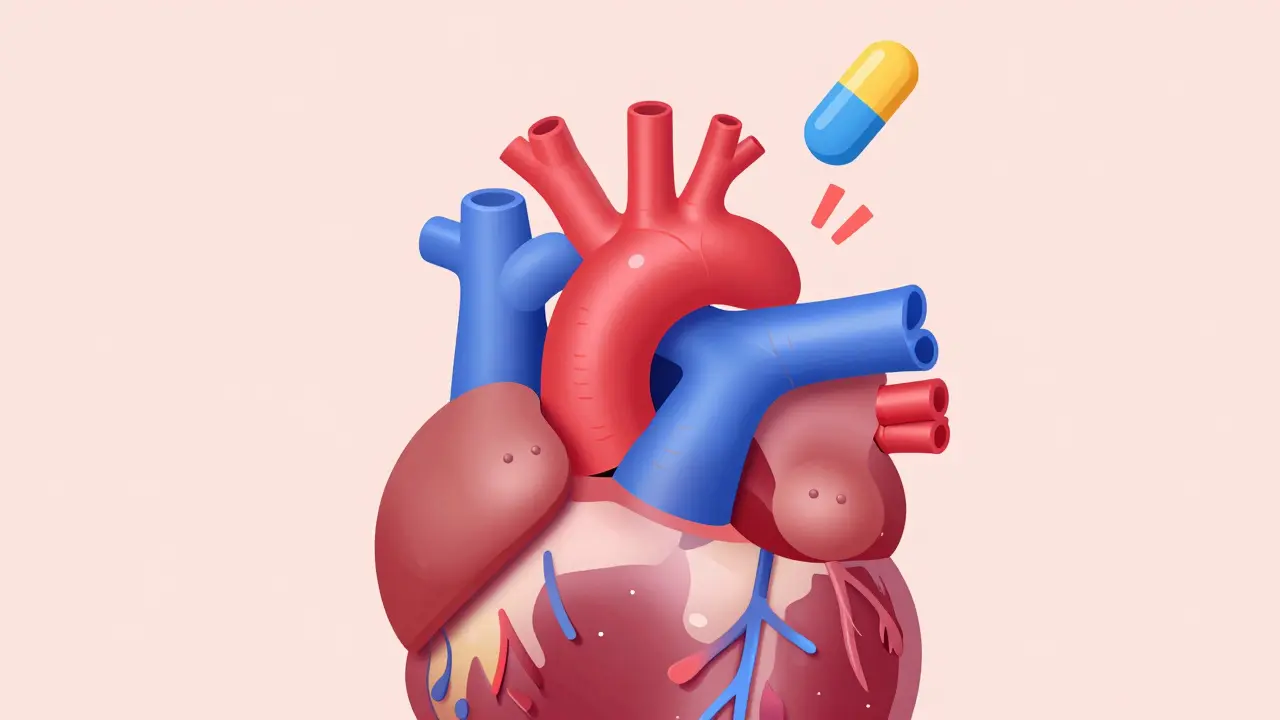
To understand the risk, you first need to know how these drugs work inside your body. Decongestants are medications designed to shrink swollen blood vessels in your nasal passages. When you have a cold or allergies, the blood vessels in your nose swell up, causing that blocked feeling. Decongestants stimulate alpha-adrenergic receptors to constrict these vessels. This reduces swelling and opens your airways. However, your body does not know the difference between the vessels in your nose and the vessels in the rest of your body.
When these drugs constrict blood vessels to clear your nose, they also increase peripheral vascular resistance throughout your system. Think of it like putting your thumb over the end of a garden hose. The pressure inside the hose goes up. Your heart has to work harder to pump blood against this resistance. This leads to elevated blood pressure, faster heart rates, and sometimes irregular heartbeats. For someone with controlled blood pressure, this might be a minor blip. For someone with uncontrolled hypertension, it can be a significant spike that puts strain on your cardiovascular system.
The Specific Drugs You Need to Watch
Not all cold medicines are created equal, but several active ingredients are known to cause these cardiovascular effects. The primary decongestants of concern include pseudoephedrine, phenylephrine, and naphazoline. Pseudoephedrine is a potent stimulant often found in brands like Sudafed. It has been extensively studied since at least 2005 and is known to cause a statistically significant increase in systolic blood pressure. The effect is often more pronounced with immediate-release formulations and higher doses. Because of its potency and potential for misuse, the FDA requires pseudoephedrine to be kept behind the counter in the United States under the Combat Methamphetamine Epidemic Act of 2005.
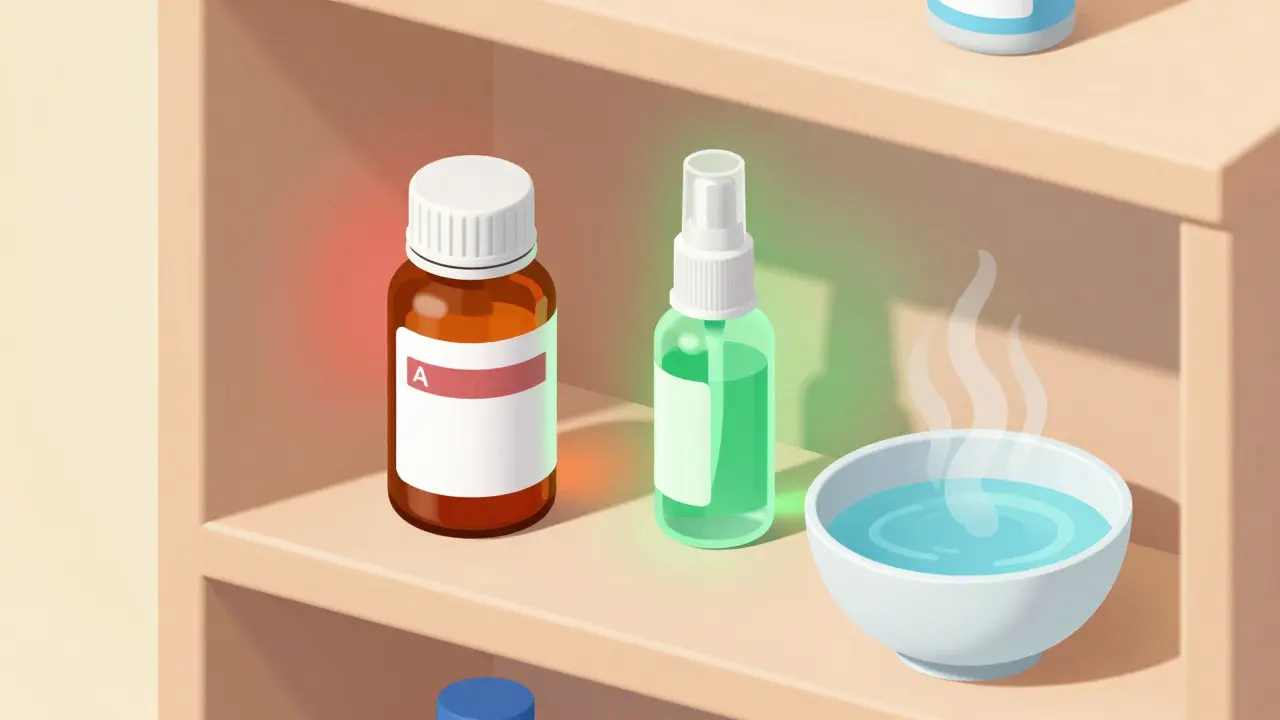
Then there is phenylephrine. You will often find this in products labeled as "non-drowsy" or in combination cold formulas. While some studies suggest it is less effective for congestion than pseudoephedrine, it still carries the same vasoconstrictive risks. Another common ingredient is oxymetazoline, found in nasal sprays like Afrin. While this is a topical spray, using it for more than three days can lead to rebound congestion, and systemic absorption can still affect blood pressure in sensitive individuals. If you see any of these names on an ingredient list, you need to pause and think about your heart health.
Who Is Most at Risk?
The risk is not the same for everyone. Research indicates that while most people experience only minimal blood pressure increases from decongestants, approximately 5-10% of hypertensive patients may experience marked elevations. The danger is particularly elevated for patients with uncontrolled hypertension. If your blood pressure readings are consistently high despite medication, adding a decongestant can push you into a dangerous zone. It is also risky for those with a predisposition to arrhythmias, heart failure patients, and individuals with Prinzmetal angina.
Dr. Al-Kindi of Houston Methodist specifically warns that the caution is for people who have a health issue that affects how well the heart and vascular system are functioning. Decongestants can exacerbate underlying cardiovascular conditions. There are also dangerous drug interactions when decongestants are combined with monoamine oxidase inhibitors (MAOIs) such as Carbex or Nardil. This combination can cause severe hypertension and cardiac rhythm disturbances. Even tricyclic antidepressants can interact poorly with these cold medicines. If you are on a complex medication regimen, the interaction risk multiplies.
Hidden Dangers in Multi-Symptom Products
One of the biggest traps for patients is multi-symptom products. Many consumers are unaware that decongestants are commonly included in medicines that aren't labeled as such. You might grab a box of Tylenol Cold and Flu or Advil Multi-Symptom Cold and Flu thinking it is just for pain or fever. However, these products often contain phenylephrine or pseudoephedrine to handle congestion. AARP's medication guide identifies specific products containing decongestants that hypertensive patients should avoid, including Benadryl Allergy Plus Congestion and Mucinex Sinus Max.
This lack of awareness is a major public health concern. The American Society of Health-System Pharmacists reports that approximately 15% of hypertensive patients continue to use decongestants despite contraindications. They often fail to recognize the ingredient because it is buried in a list of active ingredients. The growing trend toward combination products containing multiple active ingredients increases the risk of unintentional decongestant exposure, particularly among elderly patients who may be managing multiple chronic conditions. Always read the Drug Facts label on the back of the box, not just the marketing on the front.
| Product Type | Active Ingredient | Blood Pressure Risk | Recommendation |
|---|---|---|---|
| Oral Decongestant | Pseudoephedrine | High | Avoid if uncontrolled hypertension |
| Oral Decongestant | Phenylephrine | Moderate to High | Consult doctor before use |
| Nasal Spray | Oxymetazoline | Moderate | Limit use to 3 days |
| Nasal Spray | Saline Solution | None | Safe for all patients |
| Allergy Relief | Antihistamines (No Decongestant) | Low | Generally safe alternative |
Safe Alternatives for Nasal Congestion
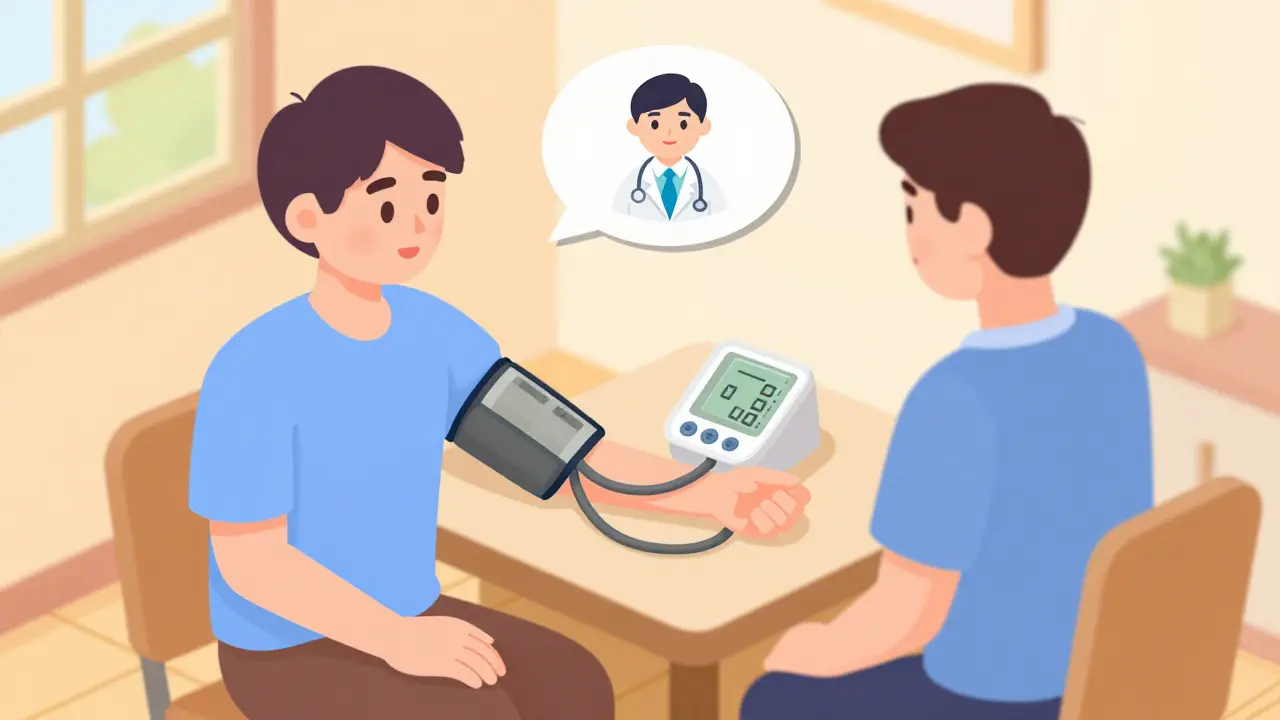
If you have high blood pressure, you still need relief from a stuffy nose. The good news is that there are safer ways to manage congestion without spiking your blood pressure. Saline nasal sprays are the gold standard for safety. They use salt water to rinse out mucus and irritants without affecting your cardiovascular system. Steam inhalation is another effective method. Breathing in warm, moist air helps loosen congestion naturally. You can do this by taking a hot shower or leaning over a bowl of hot water with a towel over your head.
Antihistamines without decongestant components are also a viable option. If your congestion is caused by allergies rather than a viral infection, a simple antihistamine might work. However, even these should be used under medical guidance. Some older antihistamines can cause drowsiness or other side effects that might affect the elderly. The Mayo Clinic recommends that patients with severe or uncontrolled high blood pressure should not take any decongestant, while those with controlled hypertension should consult their healthcare provider before use and monitor blood pressure more frequently. Regular monitoring is essential due to individual variability.
What to Ask Your Doctor
Before you buy any cold medicine, have a conversation with your pharmacist or doctor. They can help you navigate the labels and find a product that fits your specific health profile. Ask them if your current blood pressure medications interact with common cold remedies. If you have diabetes, glaucoma, kidney disease, or prostate trouble, the risks change again. The Cleveland Clinic specifically lists high blood pressure as a contraindication for pseudoephedrine use, along with these other conditions. Pharmacists play a critical role in patient safety, as the behind-the-counter status of pseudoephedrine requires direct consultation where contraindications can be assessed.
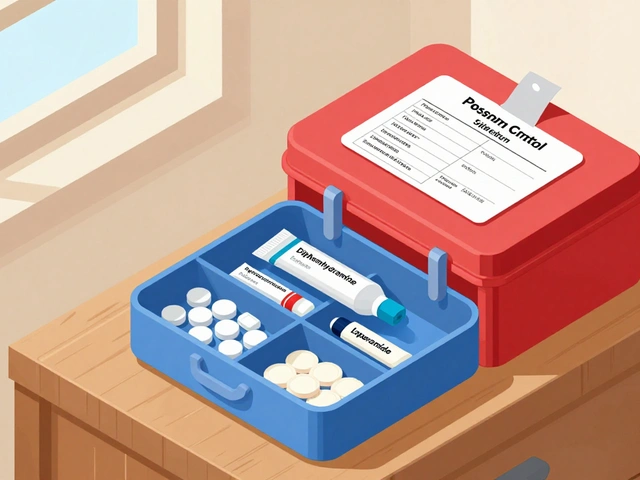
Keep a log of your blood pressure readings if you decide to use a decongestant under supervision. Check your levels before taking the dose and again a few hours later. If you notice a significant jump, stop taking the medication immediately. The warning labels on decongestants have evolved from "do not use if you have high blood pressure" to the more nuanced "ask a physician before use if you have high blood pressure." This reflects a recognition that risk varies by individual circumstances. However, the caution remains vital. Just because it is available without a prescription doesn't mean it is safe for everyone.
Can I take Sudafed if I have high blood pressure?
Generally, you should avoid Sudafed (pseudoephedrine) if you have high blood pressure, especially if it is uncontrolled. It can raise your blood pressure and cause heart palpitations. Always consult your doctor before using it.
Is phenylephrine safe for hypertensive patients?
Phenylephrine carries similar risks to pseudoephedrine. It constricts blood vessels and can elevate blood pressure. Patients with hypertension should consult a healthcare provider before using products containing phenylephrine.
What are the symptoms of a dangerous blood pressure spike?
Symptoms can include severe headache, chest pain, shortness of breath, vision changes, and rapid or irregular heartbeat. If you experience these after taking cold medicine, seek medical attention immediately.
Are nasal sprays safer than pills for congestion?
Saline nasal sprays are safe. However, medicated sprays like oxymetazoline can still affect blood pressure if absorbed systemically and should not be used for more than three days.
How can I tell if a cold medicine contains a decongestant?
Read the "Active Ingredients" list on the Drug Facts label. Look for words like pseudoephedrine, phenylephrine, or naphazoline. Avoid products with "D" or "Congestion" in the name unless cleared by your doctor.




Comments (12)
Darlene Gomez
26 Mar 2026
Taking care of your health is a journey that requires patience and understanding. We often overlook the small details that impact our daily well being. It is important to listen to what your body tells you every single day. Many people rush to fix symptoms without considering the long term effects. Your heart is a vital organ that deserves special attention and care. Managing blood pressure is not just about numbers on a screen. It is about maintaining a balance that supports your entire life. We should always prioritize safety over quick fixes when it comes to medication. Sharing knowledge helps everyone stay informed and protected from harm. Let us support each other in making better choices for our health.
Jacob Hessler
28 Mar 2026
pharma companies just want your money and dont care about bld pressure. they hide the bad stuff in plain sight on the shelf. american meds are getting worse every year with all these chemicals. people should stop trusting the labels and read the fine print. its a scam to make us sick so we buy more pills. nobody wants to admit the truth about what is in these boxes. we need to take back control of our own health care system.
J. Murphy
29 Mar 2026
idk why everyone makes such a big deal about this stuff
Jesse Hall
29 Mar 2026
It is so important to stay safe when you are feeling sick :) Reading the labels can save you from a lot of trouble later. We all want to feel better quickly but health comes first. Stay hydrated and take care of your heart while you recover. You can do this and make the right choices for your body :) Let us look out for one another in this community.
Donna Fogelsong
31 Mar 2026
The systemic absorption rates are manipulated by corporate interests to hide the truth. Pharmacogenomics shows that the standard doses are not safe for everyone. They use vasoconstrictive agents to control the population through health dependency. Endothelial damage accumulates when you ignore the chemical warfare in the air. The hemodynamic shifts are designed to keep you dependent on their products. Wake up to the reality of the medical industrial complex. Your body is a target for their profit margins.
rebecca klady
2 Apr 2026
I understand the concern about the ingredients listed in the products. It is good to be cautious when combining different types of medication. We should always respect the guidelines provided by medical professionals. Safety is the most important factor in any treatment plan. Thank you for sharing this information with the group.
Alex Arcilla
4 Apr 2026
lol people really think they can just grab any pill off the shelf. its funny how many ignore the warnings on the back of the box. you guys are gonna get hurt if you dont read the labels. i guess being smart is not a priority for everyone these days. just saying that you should pay attention to what you take. its not that hard to understand the risk involved here.
Grace Kusta Nasralla
5 Apr 2026
It feels scary to think about how much is hidden in plain sight. The heart is such a fragile thing that we take for granted every day. I worry about the people who do not know the risks involved. There is a deep sadness in seeing health ignored for convenience. We need to feel the weight of these decisions on our souls. The emotional toll of illness is heavier than the physical pain. Let us hold space for those who are struggling with these choices.
Korn Deno
5 Apr 2026
The body is a complex machine that operates under pressure. We often forget that the blood vessels are not just tubes. They are living tissue that reacts to chemical signals. When we introduce a decongestant we disrupt that balance. It forces the walls to tighten in a specific area. But the heart does not know where the signal is coming from. It pumps harder against the resistance created by the drug. This extra work accumulates over time in the system. Many people ignore the warning labels on the box. They assume that over the counter means completely safe. That assumption is dangerous for those with heart conditions. The risk is not always immediate or visible to the eye. A spike in pressure can happen without obvious symptoms. Listening to your body is more important than the pill. We must respect the chemistry inside our own veins.
Pat Fur
7 Apr 2026
That is a very thoughtful perspective on the matter. We should all listen to our bodies more closely. Stay safe and take care of your health. It is good to share these insights with others.
Anil Arekar
9 Apr 2026
It is crucial to understand the pharmacological interactions involved in these cases. Furthermore, the guidelines provided by medical authorities should be followed strictly. Consequently, patients must consult with their physicians before using any new medication. The safety of the individual is paramount in all treatment decisions. We must adhere to the established protocols to prevent adverse events. Professional advice is essential for managing chronic conditions effectively.
Elaine Parra
10 Apr 2026
Stop being ignorant about the risks involved with these medications. You are risking lives by spreading this kind of misinformation. The data is clear and you are ignoring the facts completely. It is irresponsible to downplay the dangers of these drugs. People need to know the truth about what is in their medicine. You should focus on safety instead of making excuses. This kind of negligence is unacceptable in any medical discussion.