
Emergency Treatment for Antihistamine Overdose: First Steps
Antihistamine Overdose Risk Assessment Tool
- Confusion or Hallucinations
- Heart Rate > 120 bpm
- Dry Mouth/Skin
- Drowsiness/Sleepiness
- Dilated Pupils/Blurred Vision
- Seizures or Unresponsiveness
Risk Level: Unknown
Immediate Actions:
This tool provides general guidance only. It does not replace professional medical advice. If in doubt, always call Poison Control at 1-800-222-1222 (US) or your local emergency number.
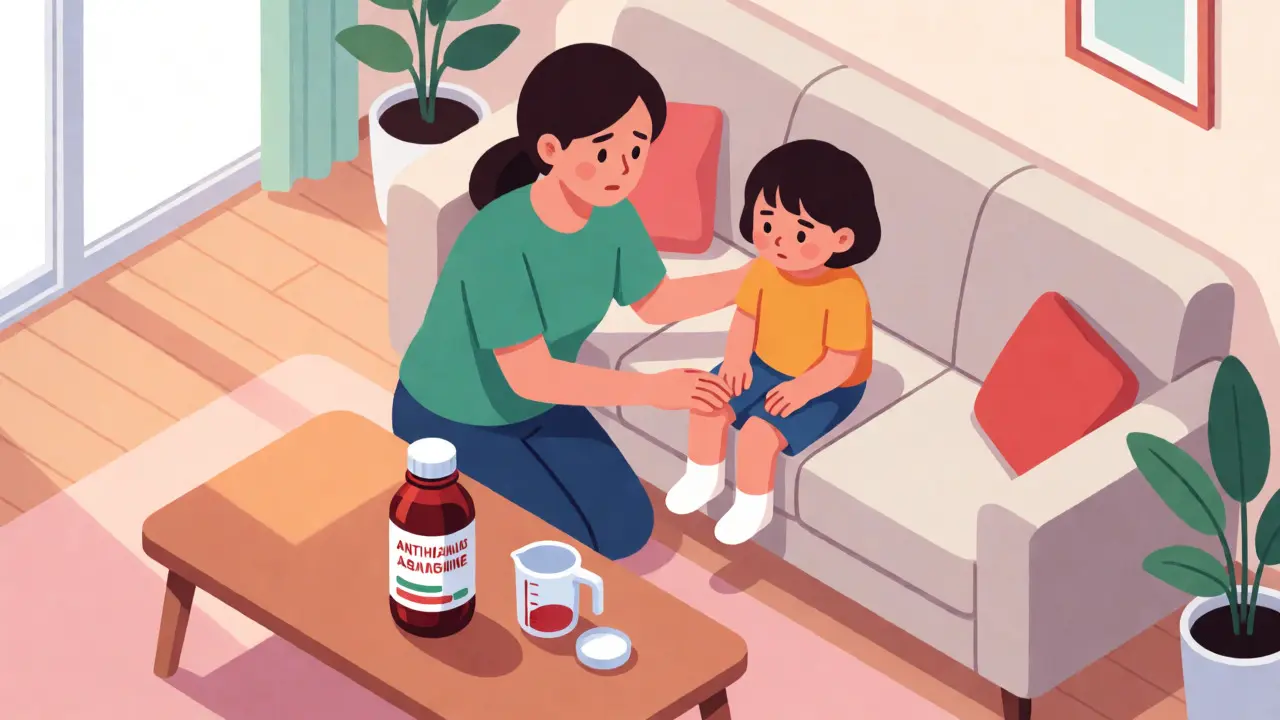
You gave your kid a dose of Diphenhydramine (Benadryl) to help them sleep, or maybe you took a few extra pills for a stubborn allergy. Suddenly, they seem too sleepy, their heart is racing, or their skin is flushed and dry. Is this an emergency? The short answer: it might be. While many mild antihistamine overdoses resolve with simple observation, the wrong move-like forcing someone to vomit when they are already drowsy-can turn a manageable situation into a life-threatening one. This guide walks you through exactly what to do in the first critical minutes.
Why Antihistamine Overdoses Are Tricky
Antihistamines aren't all created equal. The drugs we use today fall into two main categories, and knowing which one was taken changes everything about how serious the overdose is.
First-generation antihistamines, such as Diphenhydramine, Chlorpheniramine, and Promethazine, are older drugs that cross the blood-brain barrier easily. This causes sedation but also leads to more severe side effects in overdose because they block not just histamine receptors, but also acetylcholine (causing dry mouth and confusion), alpha-adrenergic receptors (affecting blood pressure), and sodium channels (which can mess with your heart rhythm). According to data from the American Association of Poison Control Centers (AAPCC), these older drugs account for the vast majority of serious outcomes.
In contrast, Second-generation antihistamines like Loratadine (Claritin), Cetirizine (Zyrtec), and Fexofenadine (Allegra) are designed to stay out of the brain. They cause far less sedation and generally have a wider safety margin. A massive overdose of Loratadine is usually much less dangerous than a moderate overdose of Diphenhydramine. However, "safe" doesn't mean "risk-free." Taking ten times the recommended dose of Zyrtec can still cause tachycardia (fast heart rate) and dizziness.
| Feature | First-Generation (e.g., Benadryl) | Second-Generation (e.g., Claritin) |
|---|---|---|
| Sedation Risk | High (crosses blood-brain barrier) | Low to None |
| Cardiac Toxicity | Significant risk (QRS widening) | Rare (mostly at massive doses) |
| Anticholinergic Effects | Pronounced (dry mouth, urinary retention) | Minimal |
| Serious Outcome Rate* | ~1.8% of pediatric cases | ~0.2% of pediatric cases |
Step 1: Stop and Assess Immediately
The moment you suspect an overdose, stop giving any more medication. If the person is conscious and alert, ask them what they took, how much, and when. Look for the bottle. Do not rely on memory. The specific ingredient matters because treatment protocols differ between generations. If the person is unresponsive, having trouble breathing, or having a seizure, call 911 immediately. Do not wait. For stable patients, the next step is contacting professional guidance before trying home remedies.
Step 2: Call Poison Control (Don't Guess)
This is the single most important action you can take. In the United States, call 1-800-222-1222. This connects you to a local poison center staffed by nurses and pharmacists who specialize in toxicology. They handle millions of calls a year and can calculate risk based on the patient's weight, the exact drug, and the amount ingested.
Why call instead of going straight to the ER? Because many minor exposures don't need an ER visit. For example, if a 5-year-old weighing 40 pounds takes one adult-sized 50mg tablet of Diphenhydramine, that’s roughly 2.7 mg/kg. Most guidelines suggest that ingestions under 7.5 mg/kg in children can often be managed with home observation. But only a poison control expert can make that call safely based on current clinical guidelines. They will tell you whether to watch at home or go to the hospital.
Step 3: What NOT To Do (The Vomiting Myth)
Old advice said to make someone throw up after swallowing poison. That is outdated and potentially dangerous for antihistamine overdoses. Here is why:
- Aspiration Risk: Antihistamines cause drowsiness. If a person is sleepy or confused, inducing vomiting increases the chance that stomach contents get sucked into the lungs (aspiration pneumonia).
- Ineffectiveness: By the time symptoms appear, much of the drug may already be absorbed.
- Guideline Update: The Mount Sinai Health System and other major institutions explicitly state: "DO NOT make the person throw up unless poison control or a health care provider tells you to."
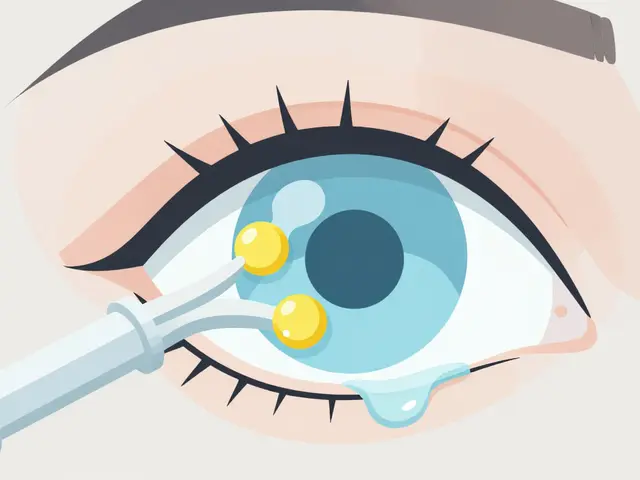
Instead, simply remove any remaining pills from the mouth. If liquid formulation was spilled on the skin, rinse the area with water for 15-20 minutes. If it got in the eyes, flush with cool water for 20 minutes.
Step 4: Recognize the Warning Signs
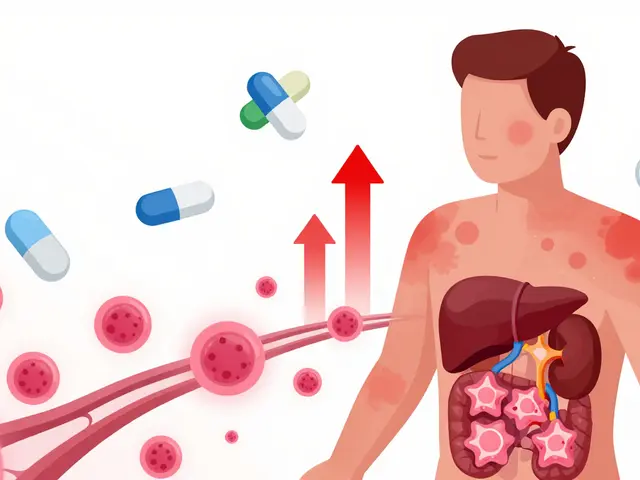
Symptoms depend on the type of antihistamine. For first-generation drugs like Diphenhydramine, look for the classic "anticholinergic toxidrome." Think of the mnemonic: "Mad as a hatter, blind as a bat, dry as a bone, red as a beet, hot as a hare."
- Mad as a hatter: Confusion, agitation, hallucinations, or extreme drowsiness.
- Blind as a bat: Blurred vision due to dilated pupils.
- Dry as a bone: Dry mouth and inability to sweat.
- Red as a beet: Flushed, warm skin.
- Hot as a hare: Elevated body temperature.
For second-generation drugs, symptoms are milder but can include headache, fatigue, and fast heart rate. Regardless of the type, watch for cardiac issues. A heart rate over 120 beats per minute or irregular heartbeat requires immediate medical attention. Dr. Robert Hoffman from the New York City Poison Control Center notes that the most dangerous period is the first 4-6 hours after ingestion, when cardiac effects peak.
What Happens at the Hospital?
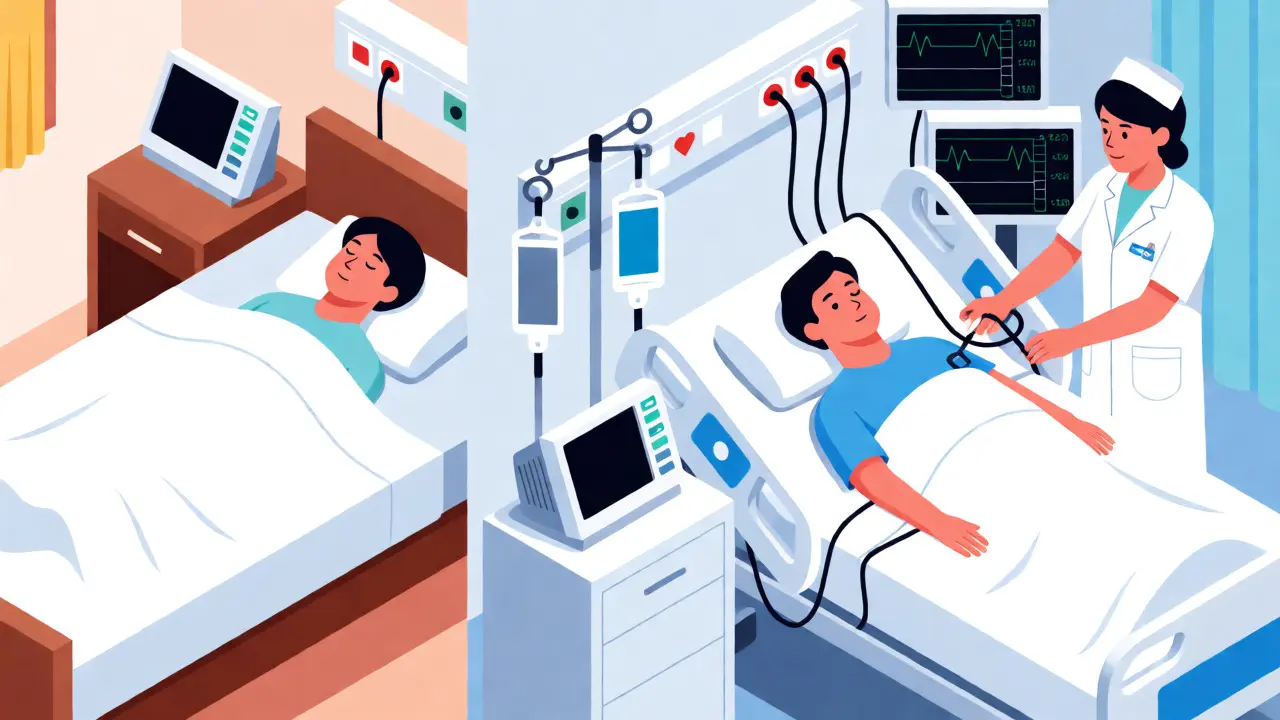
If you go to the ER, expect a structured approach focused on stabilization rather than a magic antidote. There is no specific reversal agent for antihistamines like Naloxone is for opioids. Treatment is supportive.
- Activated Charcoal: If the patient arrives within 1-2 hours of ingestion and is awake enough to protect their airway, doctors may give activated charcoal. This binds to the drug in the stomach, preventing absorption. It’s typically given at a dose of 1 g/kg for children or up to 100g for adults.
- Cardiac Monitoring: Continuous EKG monitoring is standard for significant overdoses, especially with first-generation agents. Doctors watch for QRS widening (a sign of sodium channel blockade). If the QRS interval exceeds 100 milliseconds, they may administer sodium bicarbonate to correct the heart rhythm.
- Benzodiazepines: If the patient is agitated or seizing, benzodiazepines (like lorazepam) are the first-line treatment. Older drugs like physostigmine were once used but are now avoided due to cardiac risks.
- IV Fluids: Hydration helps support blood pressure and kidney function.
Hospital stays vary. Mild cases might be discharged after a 4-6 hour observation period if symptoms resolve. Severe cases requiring cardiac intervention might stay 24-48 hours. A 2022 analysis in the Journal of Medical Toxicology reported a median hospital stay of 22.7 hours for admitted cases.
Special Considerations for Children
Children are disproportionately affected. About 67% of antihistamine overdose cases involve kids under 6 years old. Toddlers are curious, and liquid medications taste sweet. Dosing errors are common; the AAPCC reports that 42% of pediatric exposures involve dosing mistakes, often due to using household spoons instead of measuring cups.
If your child overdosed, keep the packaging. The concentration varies wildly between infant drops and children’s syrup. Infant drops are highly concentrated; accidentally giving the volume meant for syrup can result in a massive overdose. Always double-check the label against the weight-based dose calculated by your pediatrician or poison control.
Prevention: How to Avoid Next Time
Most overdoses are accidental. Here is how to reduce risk:
- Use Child-Resistant Packaging: Ensure caps are clicked shut properly. FDA updates in 2023 emphasized clearer warnings and better packaging designs.
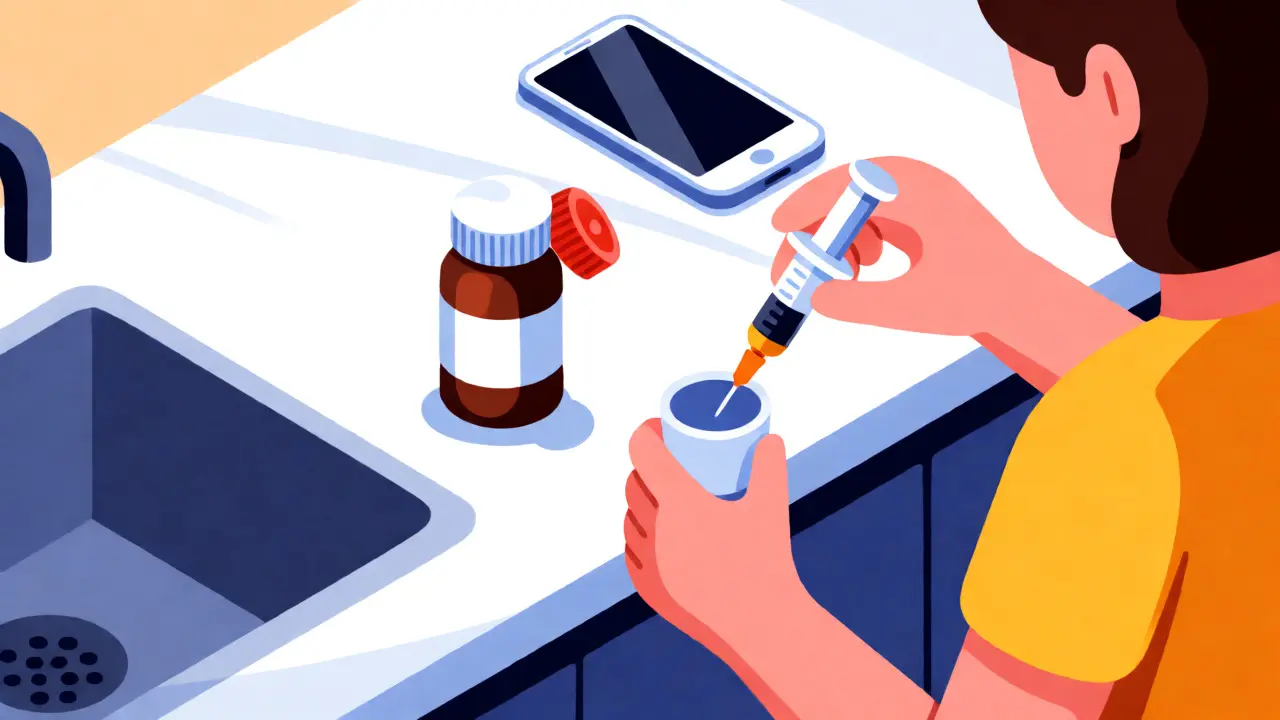
- Measure Precisely: Use the syringe or cup that comes with the medicine. Never guess.
- Store Safely: Keep meds out of reach and sight. High shelves are good, but locked cabinets are better.
- Check Combination Products: Many cold medicines contain antihistamines plus pain relievers. Taking Tylenol PM and Benadryl together doubles the diphenhydramine load without realizing it.
Frequently Asked Questions
Can I give my dog Benadryl if it overdoses?
Yes, but veterinary protocols differ. Dogs are sensitive to the sodium-channel blocking effects of diphenhydramine. If your dog shows signs of overdose (tremors, high heart rate, dilated pupils), contact your vet or the ASPCA Animal Poison Control Center immediately. Do not induce vomiting at home without professional instruction, as some formulations contain xylitol or alcohol, which add additional toxicity risks.
How long does it take for an antihistamine overdose to wear off?
It depends on the drug and the amount. For first-generation antihistamines like Diphenhydramine, peak effects occur within 1-4 hours, but sedation and anticholinergic effects can last 12-24 hours. Second-generation drugs have shorter half-lives but can still cause discomfort for several hours. In severe cases with cardiac involvement, monitoring continues until EKG readings normalize, which may take longer.
Is Zyrtec safer than Benadryl in an overdose?
Generally, yes. Cetirizine (Zyrtec) has a wider therapeutic index and fewer life-threatening cardiac effects compared to Diphenhydramine (Benadryl). However, taking massive amounts of Zyrtec (e.g., >10x the dose) can still cause significant tachycardia and drowsiness. While the risk of death is lower, it is not zero, so professional evaluation is still recommended for large ingestions.
Should I drink coffee to wake up after an antihistamine overdose?
No. Caffeine stimulates the heart and nervous system. Since antihistamine overdoses already cause tachycardia (fast heart rate) and potential arrhythmias, adding caffeine can worsen cardiac stress and increase anxiety or agitation. Stick to water and follow medical advice. Rest is the best remedy.
What if I took expired antihistamines?
Expired antihistamines usually lose potency rather than becoming toxic. Tetracycline antibiotics are famous for degrading into harmful compounds, but antihistamines are generally stable. An expired pill likely means you didn't get the full intended effect, not that you suffered a new type of poisoning. However, always check for unusual smells or color changes, and consult a pharmacist if unsure.

Comments (15)
Vivek Chaturvedi
3 Sep 2026
Stop inducing vomiting immediately. It is dangerous and outdated medical advice that causes more harm than good
Lolo Del
4 Sep 2026
Hey friend, just wanted to gently point out that while the article is well-meaning, it misses a huge chunk of context about why people actually overdose in the first place
We often judge the person who took too many Benadryl pills as careless or stupid, but have you considered the mental health crisis aspect? Many adults use Diphenhydramine not just for allergies, but as a cheap, accessible sleep aid because they can't afford therapy or prescription meds like Trazodone
The judgmental tone here feels a bit disconnected from the reality of healthcare costs in this country
If someone is struggling with insomnia due to anxiety, telling them their 'wrong move' could be life-threatening might just add shame to their struggle rather than helpful guidance
Also, the distinction between first and second generation drugs is crucial, yes, but we need to normalize talking about why these OTC meds are being misused
It's not just about knowing the half-life; it's about understanding the desperation that leads to taking five pills instead of one
I appreciate the clear steps on when to call Poison Control, that part was spot on
But please, let's approach these situations with empathy rather than just clinical detachment
People aren't failing at medicine; they're often failing at getting proper care
Let's support each other through these medical mishaps without making them feel foolish
The data on pediatric cases is scary, so keeping those bottles locked up is non-negotiable
For adults though, maybe we should look at systemic issues before blaming individual dosing errors
Great resource overall, just needs a softer touch on the human element
Keep spreading awareness!
Tobi Oyewole
6 Sep 2026
I respectfully disagree with the notion that all antihistamine overdoses are trivialized by modern society
We must recognize that pharmacological ignorance is a significant public health concern that requires assertive education
While I am open-minded to different perspectives on medication usage, the physiological risks presented here are undeniable facts
The balance between self-medication and professional oversight is delicate, yet essential for maintaining societal health standards
One cannot simply dismiss the cardiac toxicity associated with sodium channel blockade as a minor inconvenience
It is our collective responsibility to ensure that individuals understand the profound implications of crossing the blood-brain barrier
This article serves as a necessary boundary marker for acceptable self-care practices
We should respect the expertise of toxicologists while empowering patients with accurate knowledge
Assertiveness in medical literacy does not equate to aggression; rather, it signifies a commitment to safety
Philosophically, we must ask ourselves: do we value convenience over physiological stability?
The answer, clearly, must lean towards stability when life itself is at stake
Therefore, I urge everyone to treat these guidelines with the seriousness they deserve
Let us maintain a respectful discourse while firmly adhering to scientific consensus
Peaceful coexistence with pharmaceuticals requires vigilance, not complacency
Gurjit Singh
7 Sep 2026
It is morally wrong to rely on OTC meds without consulting a doctor first
People are lazy and expect instant fixes
If you take Benadryl for sleep you are masking the problem
Moral integrity demands we seek proper diagnosis
Overdosing is a sign of poor discipline
We should stop normalizing chemical sedation
Respect your body enough to see a specialist
Do not be reckless with your health
God gave us natural rhythms not pill bottles
Wake up and smell the coffee literally
Stop poisoning yourself for convenience
Discipline saves lives
Be better
hareesh kumar
7 Sep 2026
Wait hold on did anyone else notice that the big pharma lobby pushes these specific brands hard even though generic diphenhydramine is dirt cheap and works exactly the same way???
They want us confused about generations so we buy the expensive new stuff that doesn't work as well for sleep because it doesn't cross the blood brain barrier!!!
Its a conspiracy to keep us buying Claritin when Benadryl knocks you out faster but they hide the side effects so we think its safer
Why do you think the packaging changed recently?? Because they know we are onto them!!
My cousin took Zyrtec and felt nothing then took Benadryl and slept for 14 hours straight... coincidence?? I think not
They manipulate the studies to show lower serious outcome rates for second gen but ignore the quality of life impact!!!
We need to wake up and realize that 'safe' is a marketing term not a medical fact
Dont let them gaslight you into thinking older meds are obsolete
Check the ingredients list carefully because sometimes they mix in acetaminophen which destroys your liver if you take too much!!!
Stay vigilant friends and question everything they tell you about 'standard doses'
The truth is hidden in plain sight within the fine print of the warning labels
Dont trust the doctors who are paid by the manufacturers
Trust your own experience and the ancient wisdom of herbal alternatives
Benadryl is a trap set by corporate greed
Open your eyes!!!
Venkatesan V.K.
8 Sep 2026
Another day another article trying to scare us into submission.
The statistics are manipulated to fit a narrative of fear.
Most people will never read this anyway.
It is exhausting to constantly worry about every little pill.
We are living in a world of hypochondria.
The author seems desperate for attention.
Nothing new here.
Just noise.
Ignorance is bliss.
Marc-David Mayer
8 Sep 2026
You got this! 💪 Remember to stay calm and follow the steps!
🚑 Call Poison Control if unsure!
💧 Hydrate and rest!
🌟 You are doing great!
✅ Keep kids safe!
❤️ Love yourself!
Anderson Miller
10 Sep 2026
Oh wow what a shocker that taking too much of a drug causes side effects.... truly groundbreaking research right there 🙄
Because obviously nobody knew that Benadryl makes you sleepy until now..... genius stuff really
And calling poison control? Revolutionary concept I had no idea existed..... thanks for the heads up
Really glad we have experts to tell us that vomiting when drowsy is bad..... earth shattering news
Can't wait for the next article explaining that fire is hot
Sarcasm aside it's good info for the folks who missed basic biology class
But seriously stop guessing doses
Use the cup
Not the spoon
Not your thumb
The cup
Got it?
Kimberly Thomas
11 Sep 2026
Your analysis of the 'anticholinergic toxidrome' mnemonic is superficial at best
You fail to address the metabolic variability in CYP2D6 poor metabolizers which drastically alters clearance rates
Without discussing genetic polymorphisms your advice is dangerously incomplete
Furthermore the citation of AAPCC data lacks stratification by age cohort beyond broad categories
This oversimplification leads to false reassurance in complex cases
I find the tone patronizing given the lack of depth
Real toxicology requires nuanced consideration of co-ingestants
You ignored polypharmacy interactions entirely
This is amateur hour
Fix it
kishhore kumar
12 Sep 2026
Hey this is super useful info 👍 especially the part about not forcing vomit 😅
I always thought throwing up was the go-to fix lol
Does anyone know if this applies to children's formulations specifically?
Like do the sweeteners change absorption rates??
Curious about the liquid vs tablet difference
Thanks for sharing 🙏
Adam Cox
13 Sep 2026
Who cares about the generation of the drug?
If you take too much you die.
Simple as that.
Why complicate it with science?
Just don't take too much.
Problem solved.
End of story.
Morgan Law
13 Sep 2026
Yo this is solid advice man
Definitely save that poison control number in your phone
It's free and they are legit pros
No shame in asking them
They've seen it all basically
Keep it chill and safe out there
Catch you later
Eryn Manchego
15 Sep 2026
Love the vibrant breakdown of the pharmacokinetics here ✨
It’s such a colorful topic when you dive into the receptor binding affinities
Truly illuminating for the layperson
Keep shining light on med safety
Crystal Torres
16 Sep 2026
This information is critically important for public health awareness.
Every parent should memorize the signs of anticholinergic toxicity.
We must prioritize education in schools regarding OTC medication safety.
Action is required now to prevent future incidents.
Let us commit to being informed caregivers.
Patrick van der Velde
17 Sep 2026
It is frankly embarrassing that we still need to explain basic physiology to the masses
The average citizen treats their body like a dumpster for chemicals
Intellectual laziness is rampant in modern healthcare consumption
Those who cannot comprehend a half-life should not be self-medicating
Elitism? No merely standards
Read a book before swallowing a pill
Mediocrity kills
Strive for excellence in health literacy
Or perish
Simple