Hypothyroidism vs. Hyperthyroidism: Symptoms, Causes, and Treatments Explained
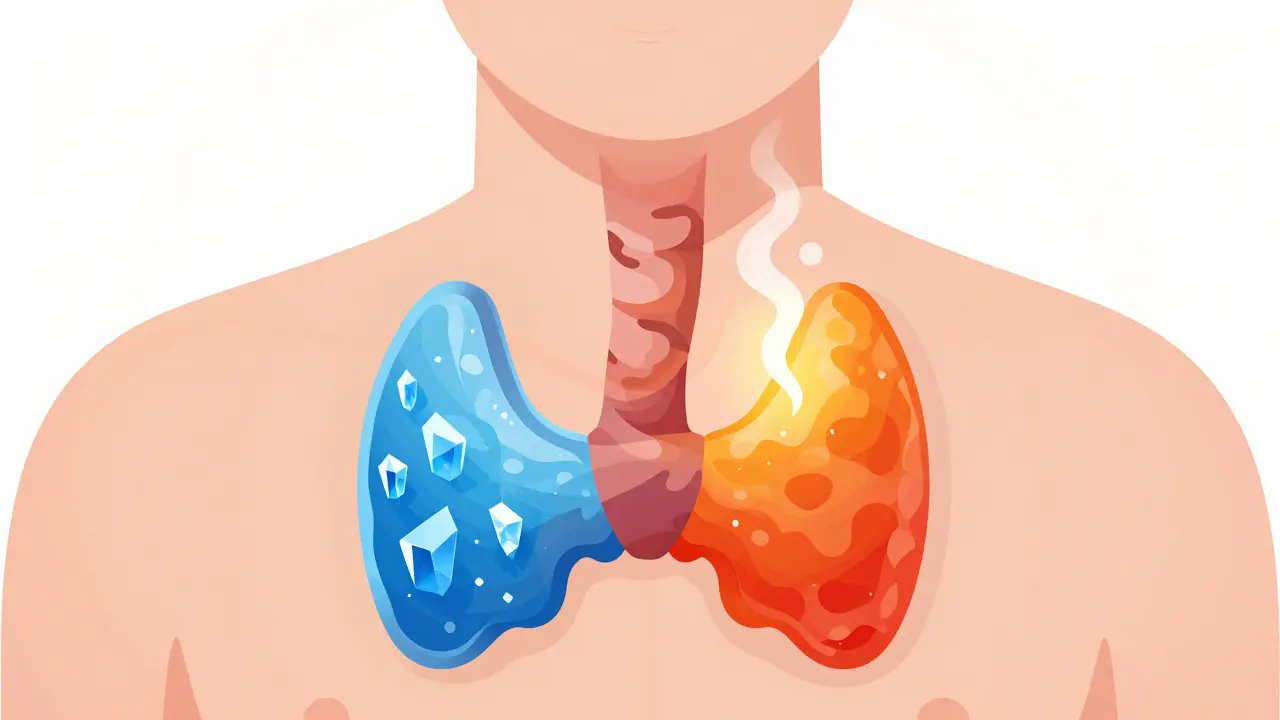
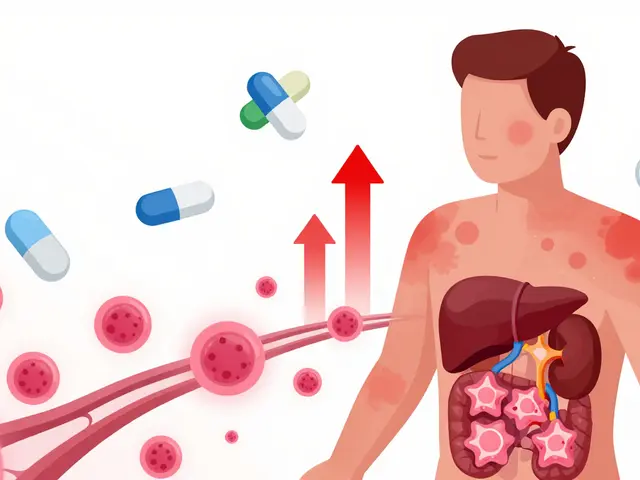
Imagine your body is a car. The engine speed determines how fast you go, how much fuel you burn, and how warm the engine gets. Now imagine that engine has no accelerator and no brake pedal-it just runs on its own settings. Sometimes it idles too low, stalling out and leaving you cold and sluggish. Other times, it redlines, overheating the system and burning through energy reserves in days. This is exactly what happens when your thyroid gland, a butterfly-shaped organ at the base of your neck, malfunctions.
The thyroid produces two critical hormones-thyroxine (T4) and triiodothyronine (T3)-that regulate cellular metabolism throughout your entire body. When this system breaks down, you get either hypothyroidism (underactive thyroid) or hyperthyroidism (overactive thyroid). These are not just minor inconveniences; they are systemic conditions that affect your heart, brain, weight, and mood. According to the National Institute of Diabetes and Digestive and Kidney Diseases (NIDDK), approximately 4.6% of the U.S. population aged 12 and older lives with hypothyroidism, while the American Thyroid Association (ATA) reports that about 1.2% of Americans suffer from hyperthyroidism. Women are hit harder, being 5 to 8 times more likely than men to develop these disorders.
Understanding the Core Difference: Slow vs. Fast Metabolism
To understand these conditions, you have to look at the feedback loop controlled by your pituitary gland. Your pituitary releases thyroid-stimulating hormone (TSH) to tell your thyroid how much hormone to produce. In a healthy system, if T4 and T3 levels drop, TSH rises to spur production. If levels rise, TSH drops to slow it down. It’s a delicate balance.
Hypothyroidism occurs when the thyroid gland fails to produce enough T4 and T3. Consequently, your TSH levels spike as your pituitary screams for more output that never comes. This slows down every bodily function. Your heart beats slower, your digestion stalls, and your body temperature regulation falters.
In contrast, hyperthyroidism is the opposite. The thyroid pumps out excessive amounts of T4 and T3. Your pituitary senses this overload and suppresses TSH production almost entirely. The result? Your body enters overdrive. Your heart races, your digestion speeds up, and you feel like you’re constantly vibrating with excess energy-or anxiety.
Hypothyroidism: The Silent Slower
Hypothyroidism often creeps up on you. Because the symptoms mimic aging or stress, many people ignore them until the condition becomes severe. The most common cause is Hashimoto's thyroiditis, an autoimmune disorder where your immune system attacks your thyroid tissue, causing inflammation and damage. This accounts for roughly 90% of cases in the United States, according to NIDDK data.
You might notice these signs:
- Unexplained Weight Gain: Gaining 10 to 30 pounds despite keeping your diet unchanged.
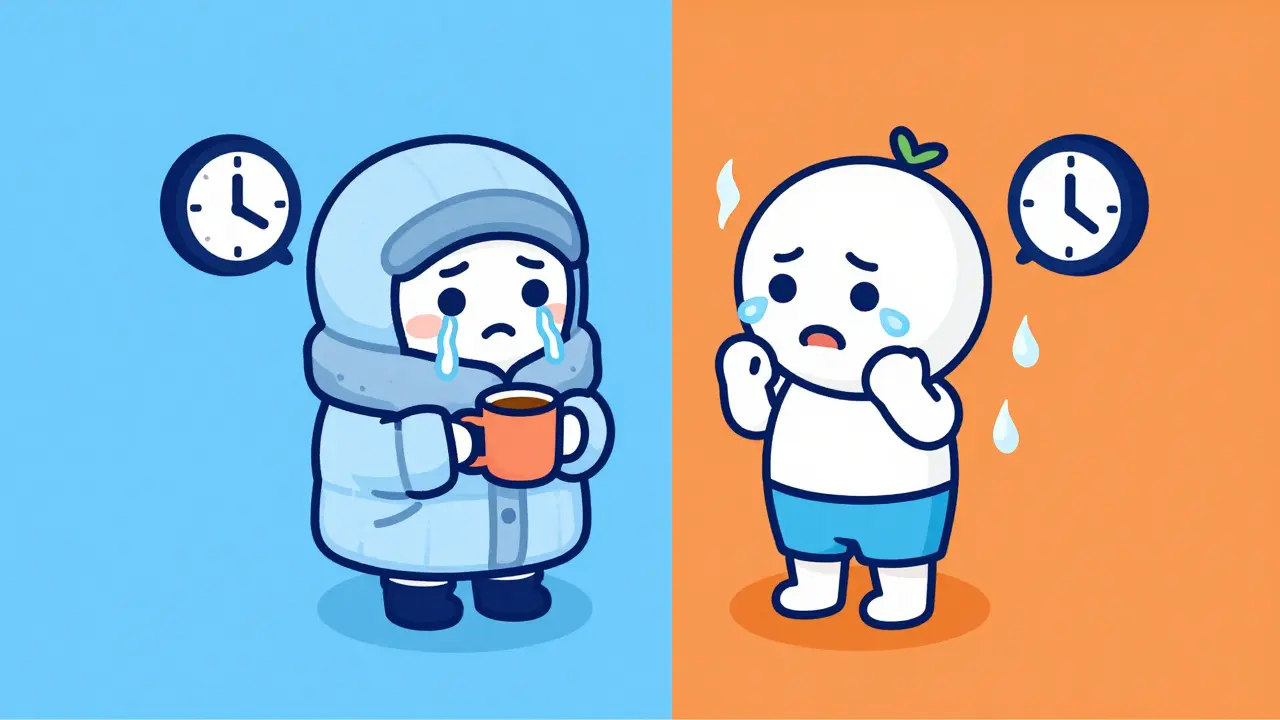
- Cold Intolerance: Feeling freezing when others are comfortable. About 87% of patients report this in clinical surveys.
- Fatigue and Brain Fog: A pervasive tiredness that sleep doesn’t fix. Many patients describe struggling to remember basic words or feel mentally "broken" despite normal lab results initially.
- Skin and Hair Changes: Dry, flaky skin and brittle hair affecting nearly 78% of cases.
- Constipation: Occurring in 65% of patients due to slowed gut motility.
- Mood Swings: Depression affects 45% of those with untreated hypothyroidism.
If left unchecked, severe hypothyroidism can lead to myxedema crisis, a rare but life-threatening condition characterized by extreme lethargy, hypothermia, and unconsciousness. However, for most, the daily struggle is managing the mental fog and physical sluggishness that disrupts work and relationships.
Hyperthyroidism: The Body in Overdrive
Hyperthyroidism feels like your nervous system is stuck in "fight or flight" mode permanently. The primary culprit here is Graves' disease, another autoimmune condition, which causes 70-80% of hyperthyroid cases. In Graves', antibodies stimulate the thyroid to produce uncontrollable amounts of hormone. Other causes include toxic multinodular goiter and benign thyroid nodules.
The symptoms are distinct and often alarming:
- Rapid Heart Rate: Tachycardia exceeding 100 beats per minute is seen in 92% of cases. Some patients experience panic attacks so severe they require emergency care, fearing a heart attack.
- Weight Loss: Losing 5 to 20 pounds despite having an increased appetite.
- Heat Intolerance: Sweating excessively and feeling warmer than usual, reported by 89% of patients.
- Tremors and Anxiety: Shaking hands and heightened nervousness affect 70-76% of individuals.
- Frequent Bowel Movements: Diarrhea or loose stools occur in 65% of cases.
- Eye Issues: In Graves' disease, 30% of patients develop eye symptoms, including bulging, redness, or double vision.
A particularly dangerous scenario occurs in elderly patients, known as "apathetic thyrotoxicosis." Instead of anxiety and racing heart, older adults may present with depression, weight loss, and even bradycardia (slow heart rate), leading to a 40% misdiagnosis rate where doctors mistake it for dementia or natural aging.
Diagnosis: What the Blood Tests Reveal
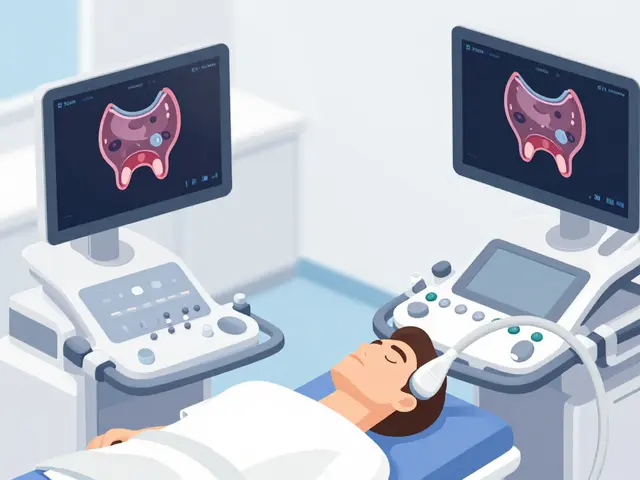
You cannot diagnose these conditions based on symptoms alone. Fatigue and weight changes are too common across many health issues. The gold standard is blood testing, specifically measuring Thyroid-Stimulating Hormone (TSH) and free T4 levels.
| Condition | TSH Level | Free T4 Level | Primary Cause |
|---|---|---|---|
| Hypothyroidism | Elevated (>4.5 mIU/L) | Low | Hashimoto's Thyroiditis |
| Hyperthyroidism | Suppressed (<0.4 mIU/L) | High | Graves' Disease |
| Subclinical Hypo | Mildly Elevated | Normal | Early Autoimmunity |
According to the American Association of Clinical Endocrinologists, TSH testing has 98% sensitivity for primary thyroid disorders. If your TSH is abnormal, doctors will reflexively test free T4. For subclinical cases-where TSH is slightly off but T4 is normal-treatment decisions are more nuanced. Harvard Medical School notes that only patients with TSH >10 mIU/L typically require immediate treatment, preventing unnecessary medication use in millions of Americans annually.
Treatment Paths: Replacement vs. Suppression
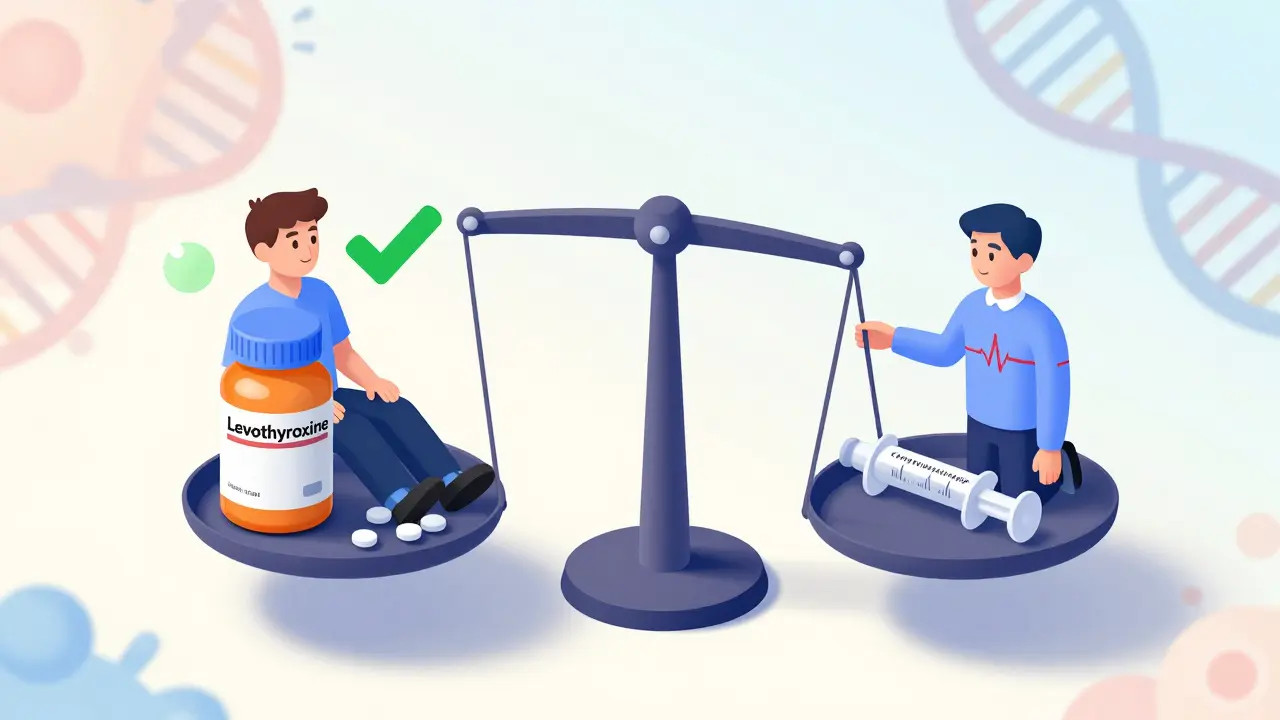
The treatments for these two conditions are polar opposites. One requires adding what is missing; the other requires stopping what is excessive.
Treating Hypothyroidism
The standard of care is lifelong replacement therapy with Levothyroxine, a synthetic form of T4. It is remarkably effective, normalizing symptoms in 95% of patients within 6 to 8 weeks. The typical starting dose is 1.6 mcg/kg/day. You must take it on an empty stomach, 30 to 60 minutes before breakfast, because food significantly reduces absorption. About 15% of patients have genetic variations or conditions like celiac disease that impair absorption, requiring alternative formulations or combination therapies with T3 (liothyronine).
Treating Hyperthyroidism
Management is more complex and involves three main approaches:
- Antithyroid Medications: Drugs like Methimazole (first-line for most adults) or Propylthiouracil (PTU) block hormone production. Methimazole doses range from 5-60 mg/day. However, these drugs carry risks, including agranulocytosis (a drop in white blood cells) in 1 in 500 patients and liver toxicity in 1 in 2,000. Monthly blood tests are mandatory.
- Radioactive Iodine Ablation: This oral solution destroys overactive thyroid cells. It is definitive but leads to permanent hypothyroidism in 80% of cases within five years, meaning you eventually switch to taking Levothyroxine anyway.
- Thyroidectomy: Surgical removal of the thyroid. This is reserved for large goiters, cancer suspicion, or pregnancy where radioactive iodine is unsafe.
Pregnancy adds another layer of complexity. Radioactive iodine is strictly contraindicated as it destroys the fetal thyroid. PTU is used in the first trimester due to methimazole’s higher risk of birth defects, though PTU carries its own risk of severe liver injury (1 in 5,000 cases).
Living with Thyroid Disorders: Practical Tips
Managing these conditions is as much about lifestyle as it is about medication. For hypothyroid patients, consistency is key. Take your Levothyroxine at the same time every day, away from calcium supplements, iron, or coffee, which can block absorption. For hyperthyroid patients, protecting your heart is crucial. Beta-blockers are often prescribed alongside antithyroid meds to control heart rate and tremors while waiting for hormone levels to stabilize.
Diet plays a supportive role. While no specific "thyroid diet" cures these conditions, ensuring adequate selenium and zinc intake supports thyroid enzyme function. Avoid excessive raw cruciferous vegetables (like kale and broccoli) if you have hypothyroidism, as they contain goitrogens that can interfere with iodine uptake, though cooking neutralizes most of this effect.
Can I switch between hypothyroidism and hyperthyroidism?
Yes, this is possible, especially if you are treated for hyperthyroidism with radioactive iodine or surgery, which often results in permanent hypothyroidism. Additionally, autoimmune fluctuations in Hashimoto's can sometimes cause temporary "hashitoxicosis," where damaged thyroid cells release stored hormone, causing transient hyperthyroid symptoms before settling into hypothyroidism.
How long does it take for thyroid medication to work?
For hypothyroidism, Levothyroxine takes about 6 to 8 weeks to reach full effect in your system because it has a long half-life. You may start feeling better sooner, but optimal symptom relief usually aligns with normalized TSH levels after several months of dosage adjustments. Hyperthyroid medications like Methimazole can show effects within a few weeks, but full stabilization varies.
Is thyroid disease hereditary?
There is a strong genetic component. If you have a first-degree relative with a thyroid disorder, your risk increases significantly. Autoimmune conditions like Hashimoto's and Graves' disease often cluster in families, suggesting shared genetic susceptibility rather than direct inheritance of the disease itself.
What foods should I avoid with thyroid problems?
There is no universal banned list, but caution is advised with soy products and high-fiber meals taken close to medication time, as they reduce Levothyroxine absorption. Excessive iodine intake (from supplements or seaweed) can worsen both hypo- and hyperthyroidism. Cruciferous vegetables are safe if cooked.
Why do I still feel tired if my TSH levels are normal?
This is a common complaint. While TSH normalization is the clinical goal, some patients remain symptomatic due to poor conversion of T4 to T3 (the active hormone) caused by genetic deiodinase enzyme variations. Others may have concurrent issues like vitamin D deficiency, anemia, or sleep apnea. Discussing combination T3/T4 therapy with your endocrinologist may be an option.