
Liver Cancer Risk After SVR: Do You Still Need Screening?
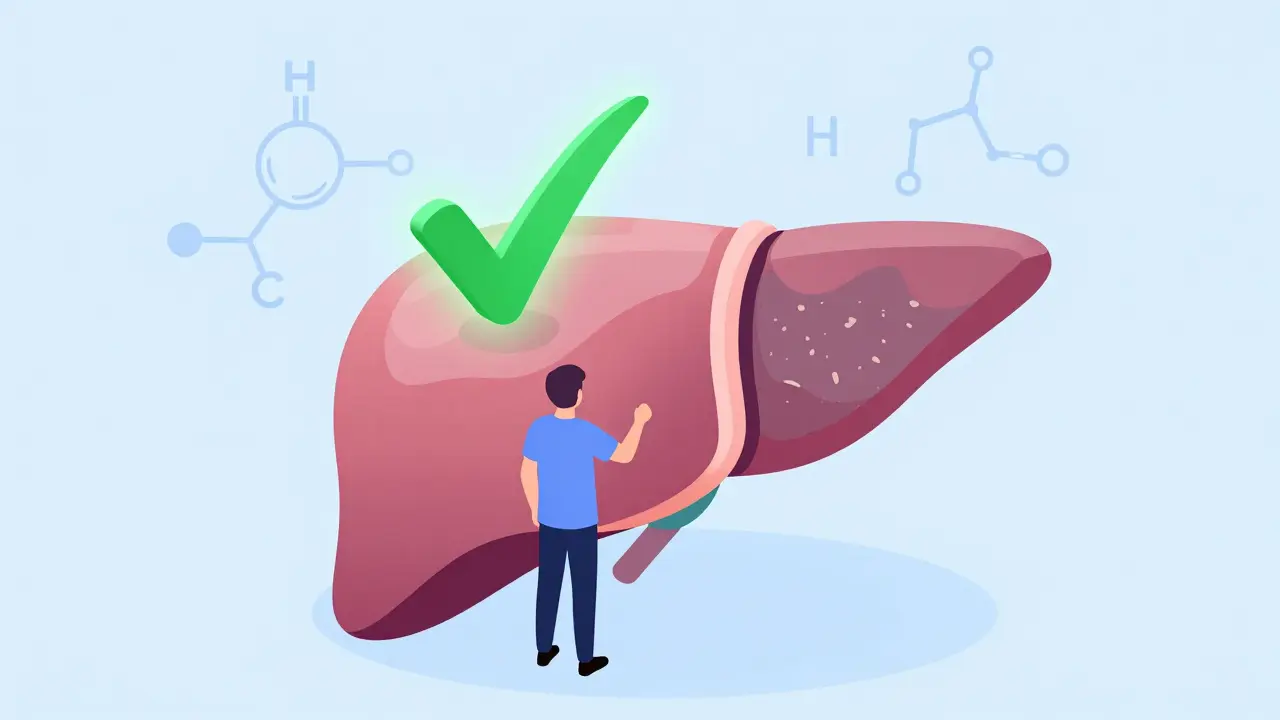
Getting a "cure" for Hepatitis C is an incredible milestone. When your doctor tells you that you've achieved Sustained Virologic Response (or SVR), it means the virus is undetectable in your blood. For most, this is the end of a long medical battle. But there is a tricky part: while the virus is gone, the damage it left behind might still be there. The big question is, if the virus is gone, is the risk of liver cancer gone too?
The short answer is no. While achieving SVR drastically lowers your risk, it doesn't reset your liver to a "factory setting" if you already had significant scarring. Understanding where you fall on the risk spectrum is the difference between unnecessary anxiety and missing a critical window for early detection.
The Reality of Residual Risk
First, the good news. Clearing the virus with Direct-Acting Antivirals (or DAAs), which are the gold-standard medications used since 2013, reduces the risk of Hepatocellular Carcinoma (the most common type of liver cancer, often called HCC) by about 71% to 79%. That is a massive win. However, a 70% reduction isn't the same as zero risk.
Why does the risk linger? It comes down to how the liver was damaged. In people with Cirrhosis-the most advanced stage of liver scarring-the cellular environment has already changed. Research shows that even after the virus is wiped out, certain biological pathways that trigger cancer, such as the upregulation of SPHK1, stay active. Your liver cells may continue to proliferate and inflame in ways that can lead to tumors, regardless of whether the Hepatitis C Virus (HCV) is still present.
To put this in perspective, a study in JAMA Network Open found that people with cirrhosis who achieved SVR still had an HCC incidence rate of about 2.12 to 2.28 per 100 person-years. While this is significantly lower than the 4.53 rate seen in untreated cirrhotic patients, it's still a real number that requires medical attention.
Who Actually Needs Ongoing Surveillance?
Not everyone who had Hepatitis C needs to spend their life in and out of imaging clinics. The decision to continue screening depends almost entirely on the level of fibrosis (scarring) you had before or shortly after treatment. If you never developed advanced fibrosis or cirrhosis, your risk is generally considered extremely low, and you might be able to stop surveillance.
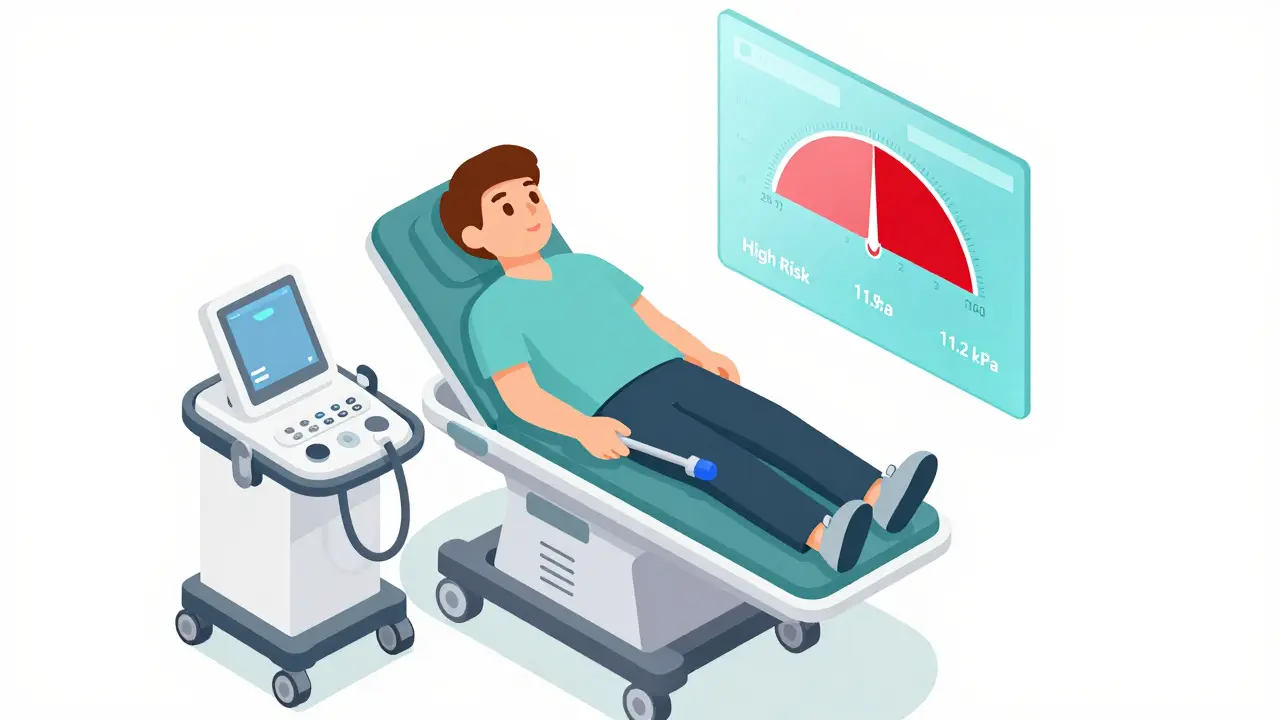
For those with more damage, doctors use specific tools to decide if you need to stay on the radar. Two of the most common are Transient Elastography (often known by the brand name FibroScan) and the FIB-4 index. These aren't just random numbers; they provide a concrete map of your liver's stiffness.
| Tool | High-Risk Value (Post-SVR) | What it Measures |
|---|---|---|
| Transient Elastography (TE) | >11.2 kPa | Liver stiffness/stiffness of tissue |
| FIB-4 Index | >3.25 | Combination of age, AST, ALT, and platelets |
If your numbers are above these thresholds, you are likely in the group that needs regular check-ups. The goal is to find nodules when they are tiny and treatable, rather than waiting for symptoms to appear, at which point the options are much more limited.
The Great Divide: US vs. Europe Guidelines
Depending on where you live, your doctor might give you different advice. This isn't because the science is different, but because two major medical organizations disagree on where to draw the line for "advanced fibrosis" (Stage F3).
- The European approach (EASL): They tend to be more cautious. The European Association for the Study of the Liver recommends semiannual (every six months) screening for anyone with F3 fibrosis or F4 cirrhosis, even after SVR. They worry that some patients might be misclassified and that the cost of a missed diagnosis is far higher than the cost of an extra ultrasound.
- The American approach (AASLD): The American Association for the Study of Liver Diseases is more targeted. They generally suggest that routine surveillance is necessary for those with cirrhosis (F4), but not necessarily for those with F3 fibrosis who have achieved SVR, citing the very low absolute risk in that specific group.
This creates a bit of a gray area. If you are an F3 patient, you might be told you're "safe" in New York but "high risk" in London. The key here is to discuss your specific risk-such as age, gender, and how quickly your fibrosis progressed-with your hepatologist to find a middle ground.
The "Cure Trap" and Real-World Challenges
There is a psychological phenomenon that doctors call the "cure trap." When a patient receives the news that they have achieved SVR, they often feel a massive sense of relief. Unfortunately, this relief can lead to a dangerous lapse in care. Many patients mistakenly believe that "cured of Hep C" means "cured of all liver issues."
The data on this is sobering. One study showed that only about 25% of eligible patients actually followed through with their recommended semiannual ultrasound screenings. People stop showing up for appointments because they feel great and the virus is gone. But liver cancer is a silent grower; it doesn't usually cause pain or jaundice until it's already advanced.
If you've achieved SVR, you must remember that the medication killed the virus, but it didn't necessarily undo the architectural damage to your liver. Staying disciplined with your screening is the only way to ensure that your "cure" leads to a long, healthy life.
What's Next? The Future of Liver Monitoring
We are moving away from a "one size fits all" approach. Instead of every cirrhotic patient getting an ultrasound every six months for the rest of their life, researchers are looking at personalized intervals.
One exciting development is the GALAD score. This is a blood-based biomarker that combines gender, age, and three different protein markers (AFP, AFP-L3, and DCP). In European studies, this score showed 85% sensitivity in detecting early HCC in post-SVR patients, potentially offering a more precise way to trigger an imaging scan.
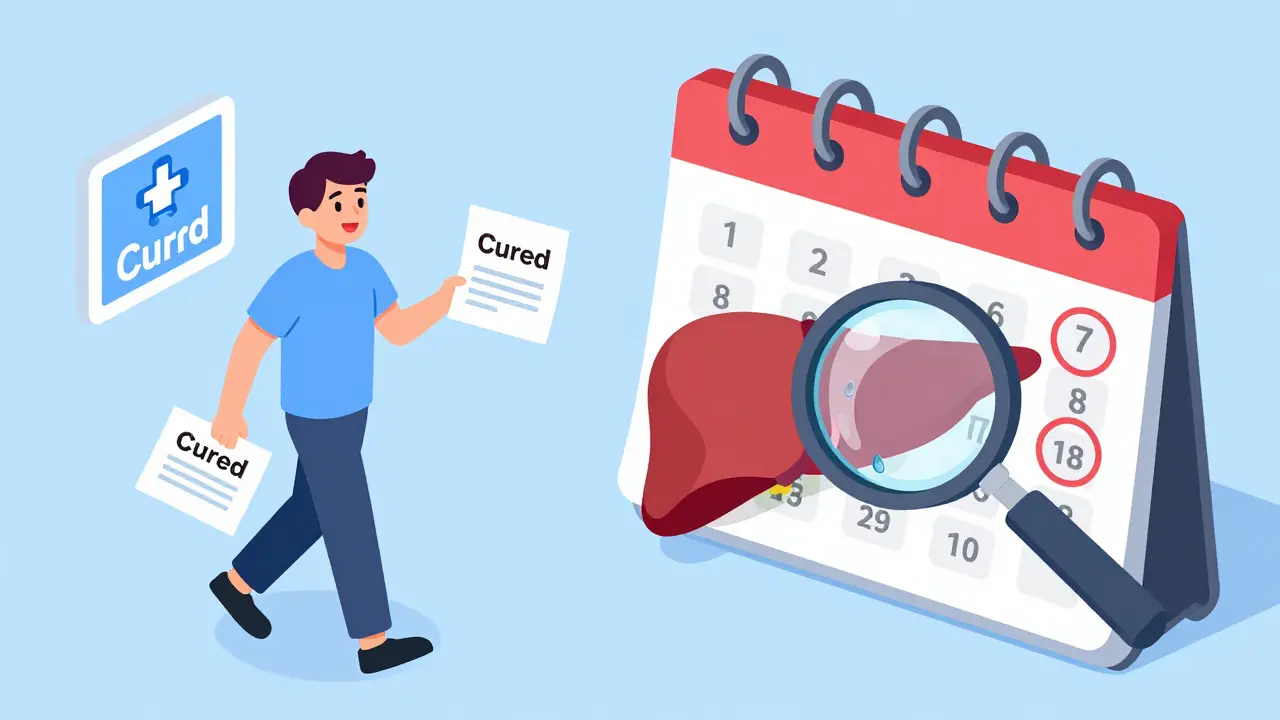
Additionally, some clinics are experimenting with dynamic risk calculators. If your FibroScan scores continue to drop over several years-showing that your liver is actually regenerating and the fibrosis is regressing-your doctor might eventually be able to extend your screening interval from six months to a year, or even stop it entirely. We expect more definitive data on this by 2027 as ongoing clinical trials conclude.
If I have a cure (SVR), why do I still need ultrasounds?
While SVR removes the virus, it doesn't automatically reverse severe scarring (cirrhosis). The structural changes in the liver and certain active cancer-promoting pathways can remain, meaning a risk of liver cancer persists even without the virus present.
How often should I be screened after SVR?
The standard recommendation for high-risk patients (those with cirrhosis or advanced fibrosis) is usually every six months. However, this can vary based on whether your doctor follows European (EASL) or American (AASLD) guidelines.
Can liver scarring (fibrosis) actually go away after SVR?
Yes, it is possible. Many patients experience fibrosis regression after the virus is cleared. This is why serial testing with tools like FibroScan is important, as it may allow your doctor to reduce the frequency of your screenings over time.
What is the GALAD score and is it better than ultrasound?
The GALAD score is a blood test that combines five different markers to predict liver cancer risk. It is not necessarily a replacement for ultrasound but is used as a powerful tool to help identify who needs more frequent or urgent imaging.
What happens if I miss a screening appointment?
Missing one appointment isn't a catastrophe, but chronic lapses are dangerous. Because early-stage liver cancer has no symptoms, the only way to catch it when it's curable is through these scheduled screenings. If you've missed an appointment, contact your provider immediately to get back on track.
Next Steps for Your Liver Health
If you have already achieved SVR, your first step should be to confirm your fibrosis stage. If you haven't had a FibroScan or FIB-4 test since your treatment ended, ask your doctor for one. This data determines whether you can relax or if you need to be vigilant.
For those in the high-risk category, set a recurring calendar alert for your six-month screenings. Don't rely on the clinic to call you-take ownership of the schedule. Finally, keep a record of all your imaging reports in one place. This allows your doctor to compare new scans with old ones to spot tiny changes in liver nodules that might otherwise be overlooked.



Comments (13)
Mark Zhang
4 Apr 2026
It's so vital to stay on top of those scans even when you're feeling great. Many of us just want to put the whole ordeal behind us, but taking that small step every six months is a huge act of self-care for your future self. Just keep pushing forward!
Will Baker
6 Apr 2026
Oh sure, because nothing says "health" like spending your life in a cold radiology suite every six months just to be told everything is fine. I'm sure the clinics love the guaranteed revenue from the "cure trap" crowd.
Hope Azzaratta-Rubyhawk
7 Apr 2026
We must absolutely demand a higher standard of adherence to these protocols! It is an absolute tragedy that only 25% of people follow through. You have been given a second chance at life through SVR, and it is your moral obligation to protect that gift with rigorous screening!
sophia alex
7 Apr 2026
Honestly, the American guidelines are just so much more efficient. Why clutter the system with F3 patients when the risk is basically non-existent? 🙄 It's just common sense and superior management! 💅
Joseph Rutakangwa
9 Apr 2026
keep it simple. track your dates. stay healthy
Joey Petelle
10 Apr 2026
Imagine actually trusting a "biomarker」 score from some lab. The sheer audacity of thinking a few proteins in your blood can predict your fate is just peak modern medicine. We've traded actual wisdom for a fancy chart and called it progress. Truly a masterpiece of bureaucratic delusion.
Sam Hayes
11 Apr 2026
the fibroscan is a great way to get a baseline and see if things are improving over time since some people actually do see regression of the scarring after they hit svr
Aysha Hind
12 Apr 2026
The GALAD score is just another way for Big Pharma to keep us hooked on "personalized" monitoring that they control. They'll tell you your protein levels are off just to sell you more expensive imaging. It's all a twisted game to keep the fear alive long after the virus is dead. Wake up and stop letting these white-coated puppeteers dictate your anxiety levels with a set of arbitrary numbers they probably tweaked in a boardroom over lunch.
Rob Newton
14 Apr 2026
SVR is just a label. Real health is holistic.
Vicki Marinker
15 Apr 2026
It is rather tedious how these articles assume the reader lacks the basic competence to schedule an appointment. The "cure trap" is simply a convenient narrative for medical professionals to explain away their own failure to maintain patient engagement through meaningful communication.
Lawrence Rimmer
16 Apr 2026
The irony of a "cure" that requires lifelong monitoring is a perfect metaphor for the human condition. We solve one problem only to inherit the ghost of that problem, which then demands our attention indefinitely. It is a Sisyphean loop of medical surveillance that defines our existence as biological entities in a state of decay.
Dipankar Das
16 Apr 2026
I strongly urge every individual who has achieved SVR to maintain an unwavering commitment to their health screenings! The possibility of fibrosis regression is a beacon of hope that we must pursue with absolute discipline. Do not let a moment of complacency jeopardize the victory you have already won over this virus!
Dee McDonald
17 Apr 2026
Let's get a group together to track our FibroScan trends! We can't just sit back and wait for 2027 to see the data. If we push for better access to these dynamic risk calculators now, we can help everyone get off the six-month treadmill faster. Who's in for making a shared log of what's actually working in different clinics?