
Opioids and Antiemetics: Managing Nausea Risks and Drug Interactions

Opioid-Antiemetic Interaction Checker
Imagine you are in severe pain after surgery or an injury. Your doctor prescribes opioids, a powerful class of painkillers that block pain signals to your brain. But within hours, a new problem emerges: intense nausea and vomiting. This is not just an uncomfortable side effect; it is a major reason patients stop taking their prescribed medication, leaving them in unmanaged pain. In fact, studies show that nausea is the side effect opioid users dread most, with many willing to accept higher levels of pain just to avoid it.
This condition, known as Opioid-Induced Nausea and Vomiting (OINV), affects roughly one-third of patients starting opioid therapy. While the body often builds tolerance to this nausea within a few days, those first 72 hours can be brutal. To manage this, doctors frequently prescribe antiemetics-medications designed to stop nausea. However, combining these two types of drugs is not without risk. Understanding how opioids and antiemetics interact, which combinations are safe, and how to minimize side effects is crucial for anyone managing moderate to severe pain.
Why Opioids Cause Nausea: The Mechanism Behind the Sickness
To treat nausea effectively, you first need to understand why opioids trigger it in the first place. It is not just one thing; it is a multi-system assault on your body’s balance. When you take an opioid like morphine or oxycodone, it binds to mu-opioid receptors throughout your body. While this binding blocks pain, it also slows down your gastrointestinal tract significantly. This decreased motility means food sits in your stomach longer than usual, leading to bloating and nausea.
Simultaneously, opioids stimulate the chemoreceptor trigger zone (CTZ) located in the brainstem. The CTZ acts as a chemical detector for toxins. When opioids activate dopamine receptors here, your brain interprets this signal as if you have ingested something poisonous, triggering the urge to vomit. Additionally, opioids can increase sensitivity in your inner ear’s vestibular system. If you stand up too quickly or move around, you might feel dizzy and nauseous because your balance system is temporarily overactive. This triple threat-gut slowdown, brain stimulation, and balance disruption-is why standard anti-nausea meds sometimes fail if they only target one mechanism.
Common Antiemetics Used With Opioids
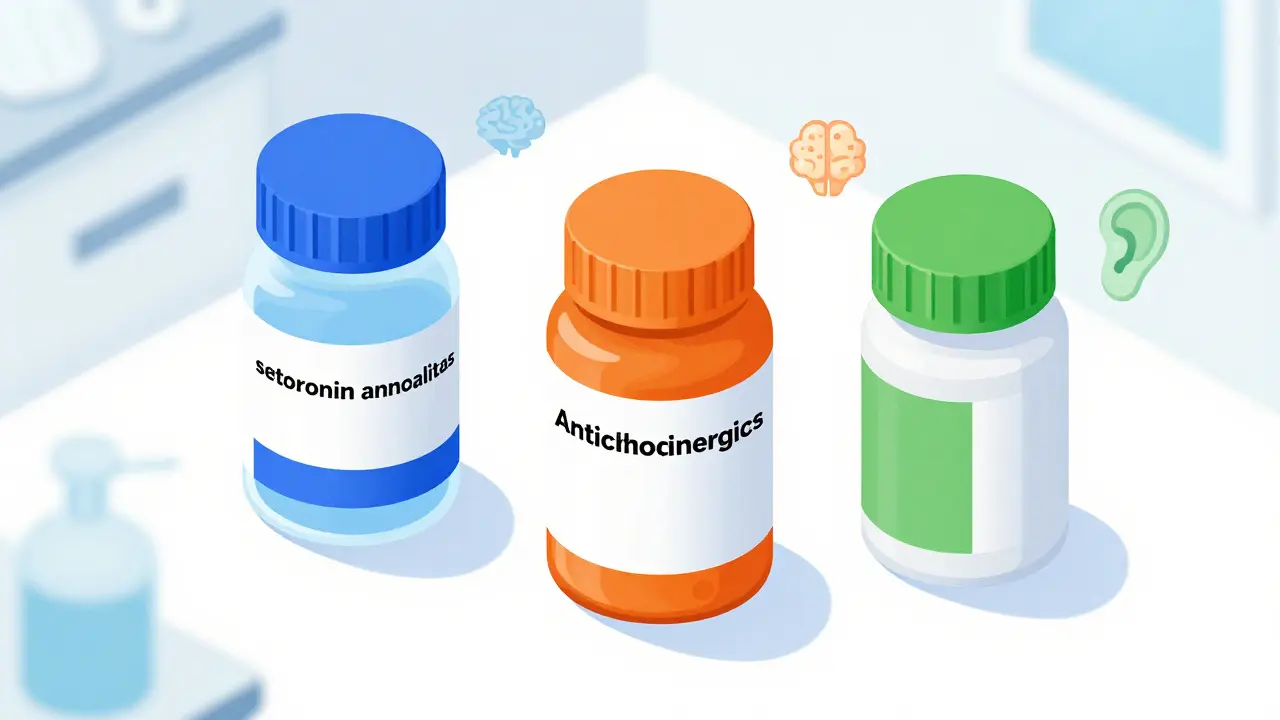
Because the causes of OINV are varied, no single antiemetic works for everyone. Doctors typically choose from three main classes of medications, each targeting a different pathway:
- Serotonin Antagonists (5-HT3 Blockers): Drugs like ondansetron (Zofran) and palonosetron are among the most commonly prescribed. They work by blocking serotonin receptors in the gut and brain. Research indicates that ondansetron is effective for established OINV, though palonosetron has shown superior efficacy in some comparative studies, reducing incidence rates significantly compared to older generation drugs.
- Dopamine Antagonists: Medications such as metoclopramide (Reglan) and prochlorperazine block dopamine receptors in the chemoreceptor trigger zone. These were traditionally the go-to treatments. However, recent evidence suggests that prophylactic use (taking them before nausea starts) may not always prevent vomiting, particularly when used alone.
- Anticholinergics and Antihistamines: For patients whose nausea is triggered by movement or position changes, drugs like scopolamine (Transderm Scop patch) or meclizine (Bonine) are preferred. These calm the vestibular system in the inner ear, addressing the dizziness component of OINV.
The choice often depends on your specific symptoms. If your nausea feels like motion sickness, an anticholinergic might be best. If it feels like a general queasiness regardless of movement, a serotonin antagonist is usually the first line of defense.
Critical Interaction Risks: What You Need to Watch For
While antiemetics help manage pain medication side effects, adding another drug to your regimen introduces new risks. The interaction between opioids and antiemetics is rarely fatal on its own, but it can exacerbate dangerous conditions if not monitored correctly.
Cardiac Risks (QT Prolongation): Both certain opioids and several antiemetics carry warnings about heart rhythm disturbances. Specifically, ondansetron and droperidol carry FDA black box warnings regarding prolonged QTc intervals. A prolonged QT interval can lead to a serious, potentially fatal heart rhythm called Torsades de Pointes. If you have existing heart conditions, electrolyte imbalances, or are taking other medications that affect heart rhythm, your doctor needs to review your full medication list carefully. The risk increases when high doses of ondansetron are combined with opioids that also have cardiac effects.
Sedation and Respiratory Depression: Opioids naturally slow breathing and cause drowsiness. Some antiemetics, particularly antihistamines like meclizine or phenothiazines like prochlorperazine, also cause significant sedation. Combining these can lead to excessive drowsiness, confusion, and slowed breathing. This is particularly risky for older adults or those with sleep apnea. Dr. Carrie Krieger, a clinical pharmacist at Mayo Clinic, warns that mixing these medications can heighten effects, leading to slowed breathing and decreased heart rate.
Serotonin Syndrome: This is a rare but life-threatening condition caused by excess serotonin in the brain. Certain opioids, such as tramadol and methadone, affect serotonin levels. If you combine these with certain antiemetics or other serotonergic drugs (like some antidepressants), you risk developing serotonin syndrome. Symptoms include agitation, hallucinations, rapid heartbeat, fever, muscle stiffness, and twitching. The FDA has issued specific communications urging updated labeling for opioids regarding this interaction.
| Medication Class | Examples | Primary Mechanism | Key Risk/Consideration |
|---|---|---|---|
| Serotonin Antagonists | Ondansetron, Palonosetron | Blocks serotonin in gut/brain | QT prolongation (heart rhythm); Constipation |
| Dopamine Antagonists | Metoclopramide, Prochlorperazine | Blocks dopamine in CTZ | Extrapyramidal symptoms (muscle spasms); Sedation |
| Anticholinergics | Scopolamine, Meclizine | Calms inner ear/vestibular system | Dry mouth, blurred vision, urinary retention |
| Opioid Antagonists | Alosetron (rarely used for this) | Blocks opioid receptors in gut | May reduce pain relief if systemic absorption occurs |

Best Practices for Managing Opioid-Induced Nausea
Managing OINV requires a strategic approach that goes beyond simply popping a pill when you feel sick. Current guidelines, including the 2022 CDC Clinical Practice Guideline for Prescribing Opioids, emphasize patient education and proactive management.
1. Start Low, Go Slow: The most effective way to prevent severe nausea is to start with the lowest possible dose of the opioid and titrate up slowly. This allows your body to build tolerance to the emetic (vomiting-inducing) effects while still achieving pain control. For example, instead of starting at a high dose, a doctor might begin with 1 mg of morphine twice daily and adjust based on response. This strategy is particularly relevant for mild symptoms or in patients with low tolerance.
2. Short-Term Prophylaxis: Since most patients develop tolerance to opioid-induced nausea within 3 to 7 days, long-term antiemetic use is often unnecessary. Many experts recommend co-prescribing an antiemetic for only the first 1 to 2 weeks of opioid therapy in opioid-naïve patients. Once tolerance develops, you can taper off the anti-nausea medication.
3. Targeted Therapy Based on Etiology: Don’t guess which antiemetic will work. Assess the type of nausea. Is it triggered by moving? Use scopolamine. Is it constant and unrelated to movement? Try ondansetron. Is it accompanied by delayed gastric emptying? Metoclopramide might help, though recent Cochrane reviews suggest its prophylactic benefit is limited. Tailoring the treatment to the mechanism improves outcomes.
4. Opioid Rotation: If one opioid causes intolerable nausea despite antiemetic treatment, switching to a different opioid can be highly effective. Individual variability plays a huge role. For instance, pharmacokinetic/pharmacodynamic analyses show that the risk of nausea varies significantly between drugs. Tapentadol has a lower risk profile (~3-4 times lower than oxycodone), while oxymorphone carries a much higher risk per unit of exposure. Rotating to a drug with a different receptor affinity or metabolic pathway can break the cycle of nausea.
5. Non-Pharmacological Measures: Simple steps can support medical treatment. Eat small, bland meals rather than large ones. Stay hydrated with clear fluids. Avoid strong smells, which can trigger the chemoreceptor trigger zone. Ginger supplements have also shown modest benefit in reducing chemotherapy and post-operative nausea, and may offer similar relief for OINV.
When to Seek Immediate Medical Attention
While nausea is common, certain symptoms indicate a dangerous interaction or complication. Contact your healthcare provider immediately if you experience:
- Inability to keep any fluids down for more than 24 hours (risk of dehydration).
- Signs of serotonin syndrome: confusion, rapid heart rate, dilated pupils, muscle rigidity, or high fever.
- Severe dizziness, fainting, or irregular heartbeat (potential QT prolongation).
- Extreme drowsiness or difficulty waking up (signs of respiratory depression).
- Muscle spasms, tremors, or involuntary movements (side effects of dopamine antagonists like metoclopramide).
Never ignore these signs. The goal of pain management is improved quality of life, not additional suffering or danger. Open communication with your prescriber is essential. Tell them exactly how you feel, what triggers your nausea, and how the antiemetics are affecting you. Adjustments to dosage, timing, or medication type are often simple solutions that make a world of difference.
How long does opioid-induced nausea last?
For most patients, opioid-induced nausea is temporary. The body typically develops tolerance to the emetic effects within 3 to 7 days of consistent dosing. During this initial period, antiemetics are most useful. If nausea persists beyond a week, it may indicate an underlying issue such as constipation, an incorrect opioid choice, or another medical condition requiring evaluation.
Is ondansetron safe to take with opioids?
Yes, ondansetron is widely considered safe and effective for treating opioid-induced nausea. However, it carries a risk of QT prolongation, a heart rhythm disorder. Patients with pre-existing heart conditions, electrolyte imbalances, or those taking other QT-prolonging drugs should consult their doctor before use. It is generally safer than dopamine antagonists for cardiac profiles but still requires caution.
Can antiemetics make opioid pain relief less effective?
Most standard antiemetics do not interfere with the pain-relieving effects of opioids. However, some antiemetics act by blocking opioid receptors in the gut (peripheral mu-opioid antagonists). While these primarily target constipation and nausea, there is a theoretical risk that systemic absorption could slightly reduce analgesia. Standard serotonin and dopamine antagonists do not have this effect.
What is the best antiemetic for opioid-induced nausea?
There is no single "best" antiemetic for everyone. Ondansetron is often the first-line choice due to its efficacy and manageable side effect profile. Palonosetron may be more effective for some patients. If nausea is related to movement, scopolamine or meclizine is better. If it is related to delayed stomach emptying, metoclopramide might be chosen, though evidence for its prophylactic use is mixed. The best choice depends on your specific symptoms and medical history.
Does tramadol cause more nausea than other opioids?
Tramadol has a unique dual mechanism of action, acting as both an opioid and a serotonin-norepinephrine reuptake inhibitor. Because it affects serotonin levels, it can cause nausea through multiple pathways. Studies suggest that while tapentadol (another dual-action opioid) has a lower nausea risk than oxycodone, tramadol’s serotonergic activity can increase the risk of nausea and potential interactions with other serotonergic drugs, including certain antiemetics and antidepressants.
Can I take antiemetics preventatively?
Yes, preventative (prophylactic) use of antiemetics is common during the first few days of starting a new opioid regimen. This helps maintain comfort and adherence to pain management. However, routine long-term prevention is not recommended once tolerance develops. Recent studies question the effectiveness of prophylactic metoclopramide, suggesting reactive treatment or short-term targeted prophylaxis with serotonin antagonists may be more beneficial.