
Post-Market Drug Interactions: Why Some Risks Appear Only After Approval
You’ve probably seen it happen: a medication is approved, doctors start prescribing it, and a few years later, a scary new warning appears on the label-or worse, the drug is pulled from the shelves entirely. It feels like a failure of the system, but the reality is more complex. The truth is that drug safety monitoring doesn't end when a drug hits the pharmacy; in many ways, that's when the real testing begins.
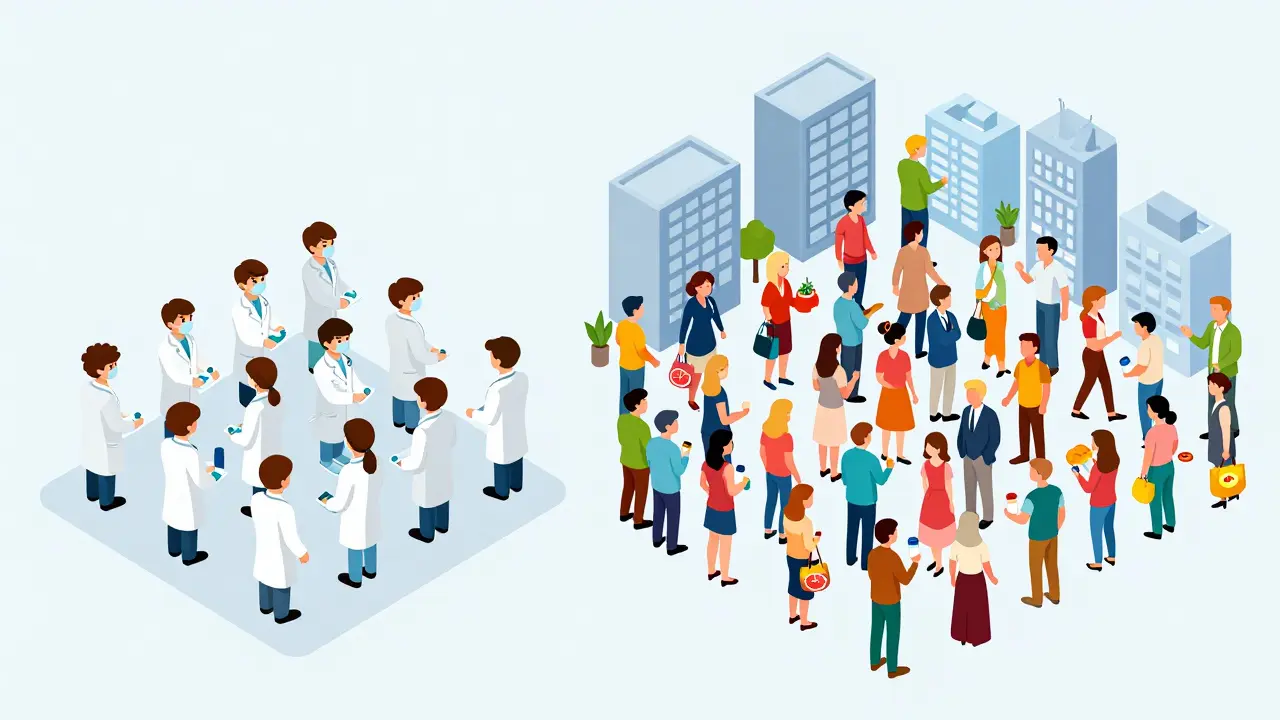
When we talk about drug interactions discovered post-market, we're talking about adverse reactions that weren't caught during the clinical trial phase. These aren't usually "mistakes" by scientists, but rather a result of the massive gap between a controlled study and the messy reality of human life. In a trial, you have a few thousand healthy people. In the real world, you have millions of people taking five different meds, drinking grapefruit juice, and dealing with chronic kidney disease.
| Feature | Pre-Market Clinical Trials | Post-Marketing Surveillance (PMS) |
|---|---|---|
| Typical Population | 1,000 to 5,000 participants | Millions of diverse users |
| Duration | 6 to 12 months | Years or decades of chronic use |
| Demographics | Strict (often excludes elderly/children) | Universal (all ages and comorbidities) |
| ADR Detection Rate | 50-60% of common reactions | 70-80% of serious reactions |
Why Clinical Trials Miss Certain Interactions
It seems logical that if a drug is safe for 5,000 people, it's safe for everyone. But the numbers don't always scale. Many interactions are rare, appearing in perhaps 1 out of 10,000 patients. If your trial only has 5,000 people, you might never see that interaction occur. Furthermore, trials are designed to be "clean." Participants are often screened to ensure they don't have multiple complex health issues, which means the Drug-Condition Interaction is a scenario where a patient's existing medical condition changes how a drug works or increases the risk of a side effect often goes unnoticed.
There is also the issue of time. Some interactions only happen after years of continuous use. For example, the risk of valvular heart disease linked to benfluorex didn't surface until 5 million patients had used it over three decades. No clinical trial lasts 30 years. This is why experts like Dr. Robert Temple from the FDA argue that the real-world population is fundamentally different from the trial population.
The Three Main Types of Post-Market Interactions
Once a drug is in the wild, the interactions generally fall into three buckets. Understanding these helps explain why a "safe" drug can suddenly become dangerous when combined with something as simple as a morning snack.
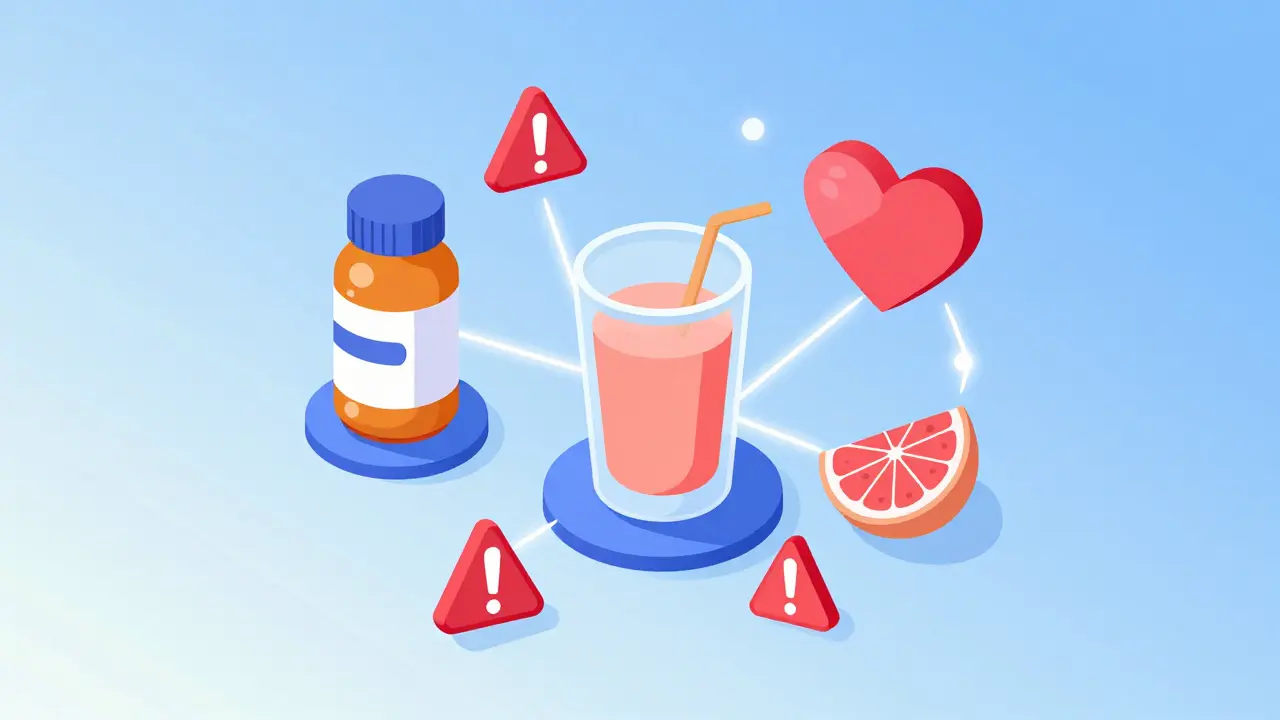
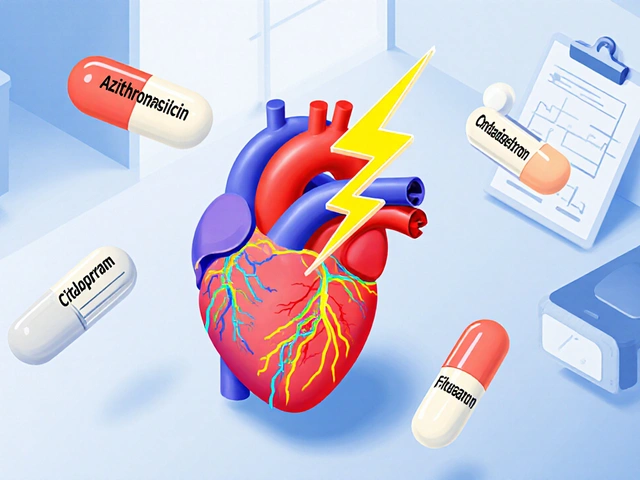
- Drug-Drug Interaction is when one medication interferes with the pharmacological action of another, either increasing its toxicity or decreasing its effectiveness. A classic example is the combination of fluconazole and simvastatin. Fluconazole blocks an enzyme called CYP3A4, which the body uses to break down simvastatin. When that enzyme is blocked, simvastatin levels can jump 3 to 10 times higher than intended, leading to rhabdomyolysis-a severe breakdown of muscle tissue that can cause kidney failure.
- Drug-Food Interaction occurs when food or beverages alter the metabolism of a drug. Consider grapefruit juice. It also blocks the CYP3A4 enzyme. If you're taking atorvastatin (Lipitor) and drink plenty of grapefruit juice, the levels of the drug in your blood can spike up to 15-fold, significantly increasing the risk of muscle damage.
- Drug-Condition Interaction happens when a pre-existing illness makes a drug dangerous. For instance, a drug that is safe for most people might cause sudden liver failure in someone with undetected cirrhosis.
How the Safety Net Works: From FAERS to Sentinel
So, how do we actually find these problems? We use a system called pharmacovigilance. In the U.S., the FDA Adverse Event Reporting System (FAERS) is a database that contains information on adverse events and medication errors reported to the FDA. This is largely a "passive" system, meaning it relies on doctors and patients to report a problem. This is where the weakness lies: it's estimated that 90-95% of actual adverse events go unreported.
To fix this, the FDA launched the Sentinel Initiative. Unlike FAERS, Sentinel is "active." It monitors over 300 million patient records across 18 different data partners. Instead of waiting for a doctor to call in a report, the system uses big data to spot patterns. If thousands of patients on two specific drugs are suddenly showing up in ERs with the same symptom, the system flags a "safety signal."
In Europe, the EudraVigilance system performs a similar role. Since its 2017 upgrade, it has used AI pattern recognition to process millions of reports annually, helping the European Medicines Agency identify risks much faster than they could using manual reviews.
The Human Cost and Economic Impact
These gaps in knowledge aren't just academic; they have a real-world price tag. The Institute of Medicine has estimated that adverse drug events cost the U.S. healthcare system about $3.5 billion every year. About 30% of that-roughly $1.05 billion-is specifically due to drug interactions. These are often preventable events that end up as expensive hospital admissions.
Beyond the money, there's the patient experience. You'll find countless stories in pharmacy forums where patients describe "surprise" reactions. One common scenario involves the use of St. John's Wort-a popular herbal supplement-with blood thinners like apixaban. Because the supplement isn't a "drug" in the eyes of some users, they don't tell their doctor, leading to life-threatening bleeding episodes that only show up in post-market data like MedWatch reports.
The Future: AI and Precision Medicine
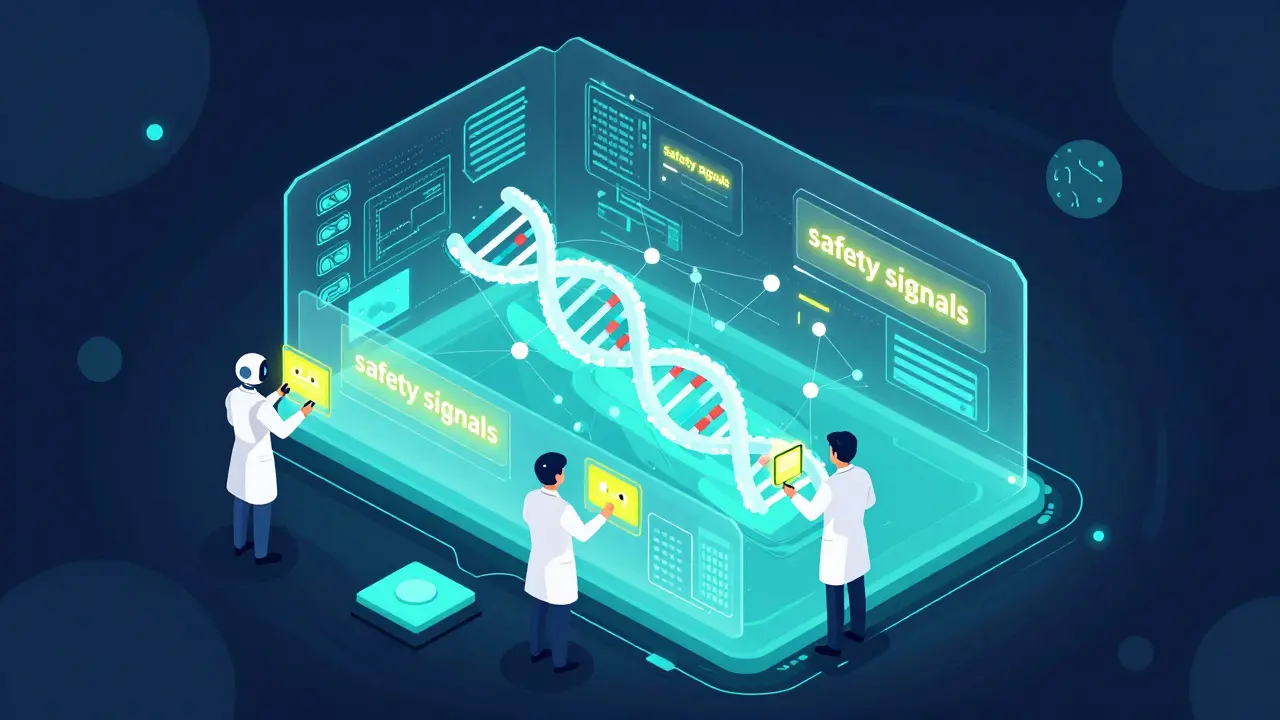
We are moving away from the "one size fits all" approach to drug safety. The next frontier is pharmacogenomics. The NIH's Pharmacogenomics Research Network-2 (PGRN-2) is currently analyzing how genetic variations make certain people more prone to interactions than others. In the future, your doctor might check your DNA before prescribing a statin to see if you have the specific enzyme profile that makes you react poorly to it.
Technologically, AI is speeding everything up. New platforms from companies like Oracle Health Sciences can now process 10,000 adverse event reports a day with over 90% accuracy. In pilot studies, machine learning has reduced the time it takes to detect a safety signal from 18 months down to just 45 days. This means a dangerous interaction can be flagged and a warning added to the label in weeks rather than years.
Why wasn't the interaction found before the drug was approved?
Clinical trials are limited by size and scope. They typically involve a few thousand people who are relatively healthy. Many interactions only occur in people with multiple chronic illnesses, those taking several other medications, or those with rare genetic profiles-conditions that are usually excluded from initial trials for the sake of scientific control.
What is a "Black Box Warning"?
A boxed warning, or black box warning, is the most serious warning the FDA can put on a medication label. It is used to alert healthcare providers and patients to serious or life-threatening risks, many of which are discovered during post-market surveillance after the drug has been used by a larger, more diverse population.
Can I check for drug interactions myself?
Yes, there are several tools and apps (like GoodRx or official FDA resources) that allow you to input your medications to check for known interactions. However, these should only be used as a starting point. You must always confirm these findings with a licensed pharmacist or physician, as some interactions depend on the specific dosage and your unique health history.
Does a post-market discovery always mean the drug is dangerous?
Not necessarily. Most post-market discoveries result in updated labeling or a requirement to avoid a specific combination of drugs. Only about 4% of medications are completely removed from the market. In most cases, the drug remains safe and effective for the vast majority of people, provided they avoid the specific interaction identified.
What should I do if I suspect a drug interaction?
Contact your doctor or pharmacist immediately. Do not stop taking a prescribed medication without medical guidance, as some withdrawal effects can be dangerous. You can also report the side effect to the FDA's MedWatch program to help other patients and improve the safety data for that drug.
Next Steps for Patients and Providers
If you are a patient, the best way to protect yourself is through "medication reconciliation." This means keeping a complete list of every supplement, vitamin, and prescription you take and sharing it with every provider you see. Don't assume your cardiologist knows what your dermatologist prescribed.
For healthcare providers, the focus is shifting toward the use of the Naranjo Algorithm to determine if a patient's reaction was truly caused by a drug interaction or by something else. While this requires specialized training, it provides a structured way to move from a "suspicion" to a confirmed safety event that can be reported to FAERS to help the rest of the medical community.


Comments (12)
Edwin Perez
24 Apr 2026
Typical corporate propaganda painting the FDA as some benevolent guardian when we all know they just take checks from Big Pharma and let us be the guinea pigs for their profit margins.
Anand Mehra
26 Apr 2026
surveillance is just a fancy word for lagging indicators nothing more
Jon Moss
28 Apr 2026
Glad to see a breakdown of why this happens, it definitely makes the medical system feel a bit less chaotic when you understand the scale of the trials.
Majestic Blue Band
29 Apr 2026
It is absolutely terrifying that they expect us to just trust a system that admits to missing 95% of adverse events, and honestly, it feels like a calculated move to hide the damage because if they actually tracked everything from day one, these companies would be bankrupt from the lawsuits and we would all be forced into some dystopian state of medical rationing while they play god with our genetic markers under the guise of precision medicine, and don't even get me started on the AI processing because that just means the errors are happening faster and at a scale we can't even perceive anymore which is just typical of how they operate behind closed doors.
Karyn Tindall
29 Apr 2026
I am absolutely horrified by the thought of a grapefruit juice causing a 15-fold spike in medication levels! That is just completely wild!
Kristen O'Neal
30 Apr 2026
I'm curious about how the Sentinel Initiative actually handles data privacy while scanning 300 million records, but the shift toward active monitoring is definitely the right move for patient safety.
Hayley Redemption
1 May 2026
The mention of the Naranjo Algorithm is cute, but let's be real, most general practitioners barely have the time to look at a patient's chart, let alone implement a structured causality assessment for every minor side effect.
Gauri Parab
3 May 2026
Imagine thinking that AI reduces the signal detection time from 18 months to 45 days and calling it a victory when the underlying data quality in FAERS is essentially garbage to begin with. It's just automating the noise and pretending it's a scientific breakthrough for the sake of investor confidence.
Sharyl Foster
4 May 2026
Actually, the 'one size fits all' approach was never the goal, it was just the only thing that was cheap enough to do before they decided to monetize our DNA.
Andre Ojakäär
6 May 2026
People act like a 4 percent removal rate is low but imagine being in that 4 percent and realizing you were a walking experiment for three years just because the trial was too small... absolute insanity
Vijay AGarwal
6 May 2026
THIS IS CRITICAL! The St. John's Wort interaction is a nightmare scenario that I have seen play out in clinics far too often! It is an absolute tragedy that patients don't realize herbal supplements are still chemistry!
Michael Deane
7 May 2026
It's just great that we're importing all these complex EU systems and AI nonsense when we should be focusing on making American medicine affordable first because it doesn't matter if a drug is safe if the average hardworking American can't even afford the copay for a statin without taking out a second mortgage on their house while the government just keeps adding more red tape to the process.