Quinolone Antibiotics and Corticosteroids: Tendon Rupture Risk Explained
Tendon Rupture Risk Estimator
Fill in the details and click calculate to see your estimated relative risk multiplier.
1.0x
Estimated Relative Risk Multiplier
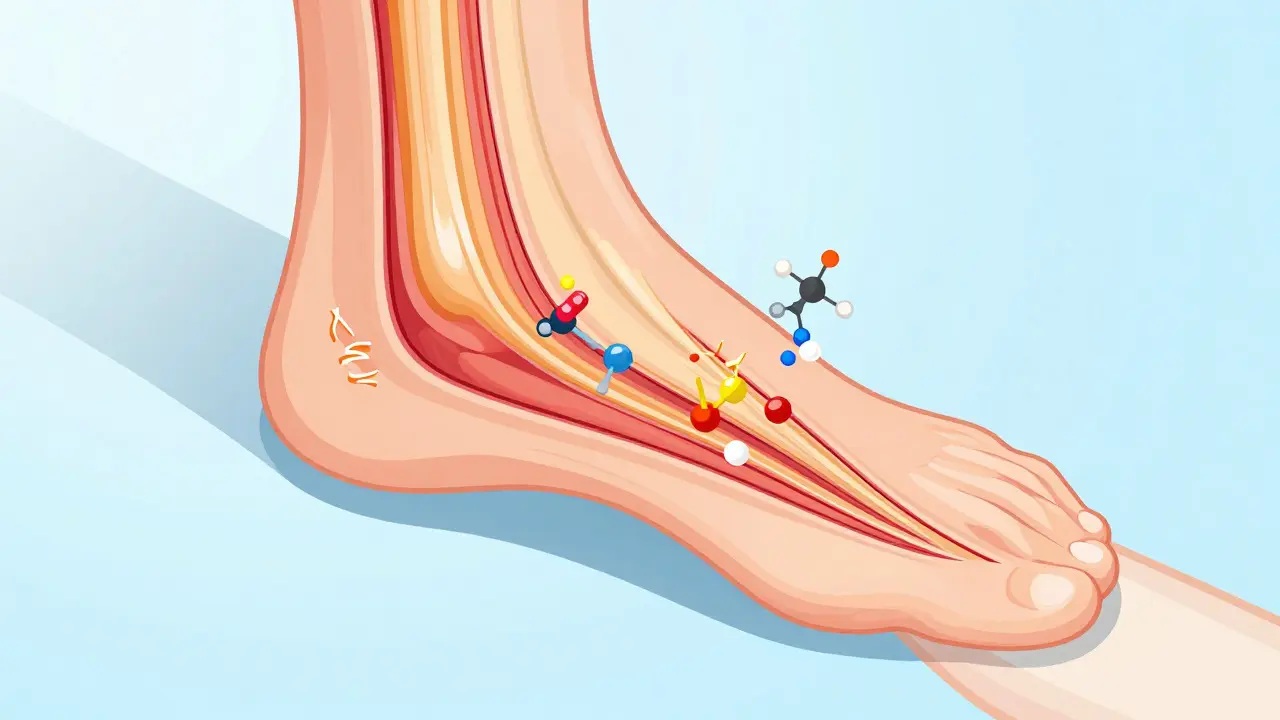
Imagine walking down the stairs when you feel a sudden, sharp pop in your heel. One moment you are fine; the next, you are on the floor wondering what just happened. For many patients, this isn't an accident caused by age or poor conditioning-it is a silent consequence of taking two common medications at the same time. The combination of quinolone antibiotics and corticosteroids creates a specific chemical environment that weakens tendons, particularly the Achilles, making them susceptible to tearing even under normal stress.
This risk is not theoretical. It is a well-documented clinical concern that has led major health agencies, including the FDA, to issue black box warnings. Yet, millions of prescriptions still pair these drugs without adequate patient awareness. Understanding why this happens, who is most at risk, and how to mitigate the danger is essential for anyone managing chronic conditions or treating acute infections.
The Chemistry Behind the Break
To understand why this interaction is so dangerous, we have to look at what these drugs actually do inside your body. Quinolones, specifically the subgroup known as fluoroquinolones (like ciprofloxacin and levofloxacin), work by stopping bacteria from replicating their DNA. They target enzymes called DNA gyrase and topoisomerase IV. While effective against bacteria, they also affect human cells in ways we are still fully understanding. Recent research suggests they interfere with tenocytes, the specialized cells responsible for maintaining tendon health, and increase the activity of matrix metalloproteinases, enzymes that break down collagen.
Corticosteroids, such as prednisone or dexamethasone, are powerful anti-inflammatories used for everything from asthma to arthritis. However, they naturally slow down protein synthesis and can reduce blood flow to connective tissues. When you combine a drug that disrupts collagen structure with one that slows tissue repair, you get a compounding effect. The tendon becomes thinner, less elastic, and structurally weaker than it should be. This isn't about one drug causing damage; it's about two different mechanisms attacking the same tissue simultaneously.
| Risk Factor | Relative Risk Increase | Mechanism |
|---|---|---|
| Fluoroquinolone Use Alone | 1.3x - 4.1x | Direct toxicity to collagen fibers and tenocyte metabolism |
| Concurrent Corticosteroid Use | 46x | Combined inhibition of collagen synthesis and increased degradation |
| Age Over 60 | 1.5x - 2.7x | Natural decline in tendon elasticity and slower healing capacity |
| Renal Impairment | Elevated | Reduced clearance of quinolones leading to higher tissue exposure |
Who Is Most Vulnerable?
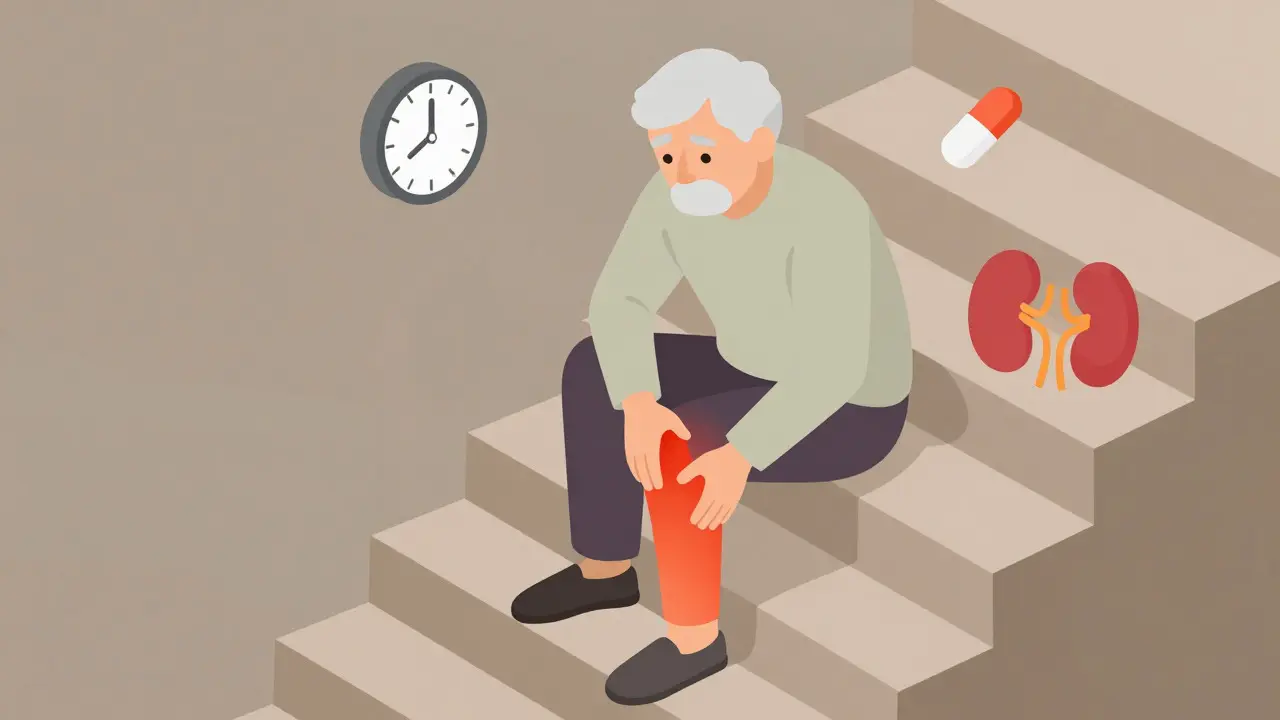
Not everyone who takes these medications will tear a tendon. In fact, the absolute risk remains relatively low, estimated between 0.1% and 0.4% of treated patients. However, certain profiles make the odds significantly worse. Age is the biggest predictor. Patients over 60 face a 1.5-fold increase in general tendon disorders and a 2.7-fold increase in actual ruptures compared to younger adults. This aligns with the natural aging process where tendons lose water content and become stiffer.
Medical history plays a crucial role too. If you have kidney failure, specifically if your estimated glomerular filtration rate (eGFR) is below 30 mL/min/1.73m², your body clears quinolones more slowly. This means higher concentrations of the drug linger in your tissues, increasing the toxic load on your tendons. Diabetes mellitus is another major factor because high blood sugar levels already impair microvascular circulation and collagen integrity. Finally, if you have had organ transplants (kidney, heart, or lung), you are likely on long-term immunosuppressants, which often include corticosteroids, placing you in the highest risk category.
Recognizing the Warning Signs
Tendon rupture rarely happens without warning. Before the catastrophic snap, there is usually a phase of tendinitis-a painful inflammation of the tendon. Symptoms typically appear within the first month of starting antibiotic therapy, with a median onset of just six days. You might notice pain, swelling, or redness around the ankle or heel. A classic sign is pain when pushing off with your toes or standing on your tiptoes.
Here is the critical part: symptoms can continue even after you stop the medication. Up to 50% of cases develop after discontinuation of the fluoroquinolone. This means the damage process is ongoing once initiated. If you feel a sudden "pop" followed by immediate weakness in your foot or calf, you may have experienced a rupture. About 50% of these cases are bilateral, meaning both legs are affected, which complicates recovery significantly. Recognizing early tendinitis gives you a window to intervene before a full rupture occurs.
Clinical Guidelines and Prescribing Practices
Given the severity of potential outcomes, medical guidelines have tightened considerably since the FDA issued its first safety alert in 2008 and strengthened it with a black box warning in 2013. The current standard of care suggests reserving systemic fluoroquinolones for infections where no alternative treatment options exist, especially in patients with multiple risk factors. If you are over 60 and taking steroids, a doctor should carefully weigh whether a quinolone is truly necessary or if a penicillin, cephalosporin, or macrolide would suffice.
When a quinolone is absolutely required, the treatment duration should be minimized. Longer courses mean longer exposure to the toxic mechanism. Doctors are now expected to document a risk-benefit discussion with patients before initiating therapy. This isn't just bureaucratic paperwork; it ensures you are aware of what to watch for. If you are prescribed this combination, ask your provider directly: "What are my specific risk factors, and what alternatives did you consider?"

Management and Recovery Realities
If a rupture does occur, the path forward is lengthy and physically demanding. Unlike muscle strains, Achilles tendon ruptures often require surgical intervention to reattach the torn ends. Even non-surgical treatments involve weeks of immobilization in a cast or boot. Recovery periods typically range from 6 to 12 months before returning to normal activities. During this time, physical therapy is essential to rebuild strength and prevent stiffness.
The psychological impact is often underestimated. Being unable to walk normally for months affects mobility, independence, and mental health. For active individuals, the fear of re-injury can lead to permanent changes in gait or activity levels. This is why prevention through careful prescribing and patient vigilance is far superior to post-rupture management. The goal is not to avoid all antibiotics, but to ensure the right drug is chosen for the right patient at the right time.
Frequently Asked Questions
Does the tendon rupture risk go away immediately after stopping the antibiotic?
No. Research indicates that up to 50% of tendon issues develop after the fluoroquinolone is discontinued. The biochemical disruption to collagen continues for some time, so caution is advised for several weeks after finishing the course, especially if you are also on corticosteroids.
Which specific quinolones carry the highest risk?
While all systemic fluoroquinolones share this risk profile, ciprofloxacin is the most frequently implicated agent in adverse event reports, accounting for nearly 68% of cases in recent surveillance data. Norfloxacin follows, while levofloxacin appears less frequently in rupture-specific reports, though it still carries the same class-wide warning.
Can I take ibuprofen or other NSAIDs to help with tendon pain while on these meds?
It depends on your overall health. NSAIDs can mask the pain signals that serve as early warning signs of worsening tendinitis. More importantly, if you have renal impairment, combining NSAIDs with quinolones can further stress the kidneys. Always consult your doctor before adding pain relievers, as they need to distinguish between minor inflammation and pre-rupture signs.
Are topical corticosteroids safe to use with quinolones?
The primary risk is associated with systemic corticosteroids (oral or injected) that affect the whole body. Topical steroids applied to skin or joints generally have minimal systemic absorption, so they pose a much lower risk for tendon rupture. However, if you are using strong topical steroids over large areas for extended periods, discuss this with your healthcare provider to be safe.
How common is Achilles tendon rupture in the general population?
In people aged 60 and older, studies suggest that 2% to 6% of all Achilles tendon ruptures can be directly attributed to quinolone use. While the baseline risk of spontaneous rupture increases with age due to degeneration, the addition of a fluoroquinolone multiplies that risk significantly, making it a preventable cause of injury in this demographic.