
Using Social Media for Pharmacovigilance: Opportunities and Risks
Pharmacovigilance Signal Detection Estimator
Estimate Your Signal Detection Rate
Based on industry data from the article: 3.2% of social media reports are valid safety signals, with false positives reaching 97% for drugs with <10,000 prescriptions.
Enter total annual prescriptions for the drug
Estimated posts mentioning this drug daily
Every year, millions of people share their health experiences online-complaining about dizziness after a new pill, posting about rashes from a prescription, or asking if others feel the same weird side effect. These aren’t just casual rants. They’re raw, real-time data that could save lives. But using social media for pharmacovigilance isn’t as simple as scraping tweets. It’s a high-stakes balancing act between catching dangerous drug reactions early and violating privacy, misinterpreting noise, or worse-acting on false alarms.
What Social Media Pharmacovigilance Actually Means
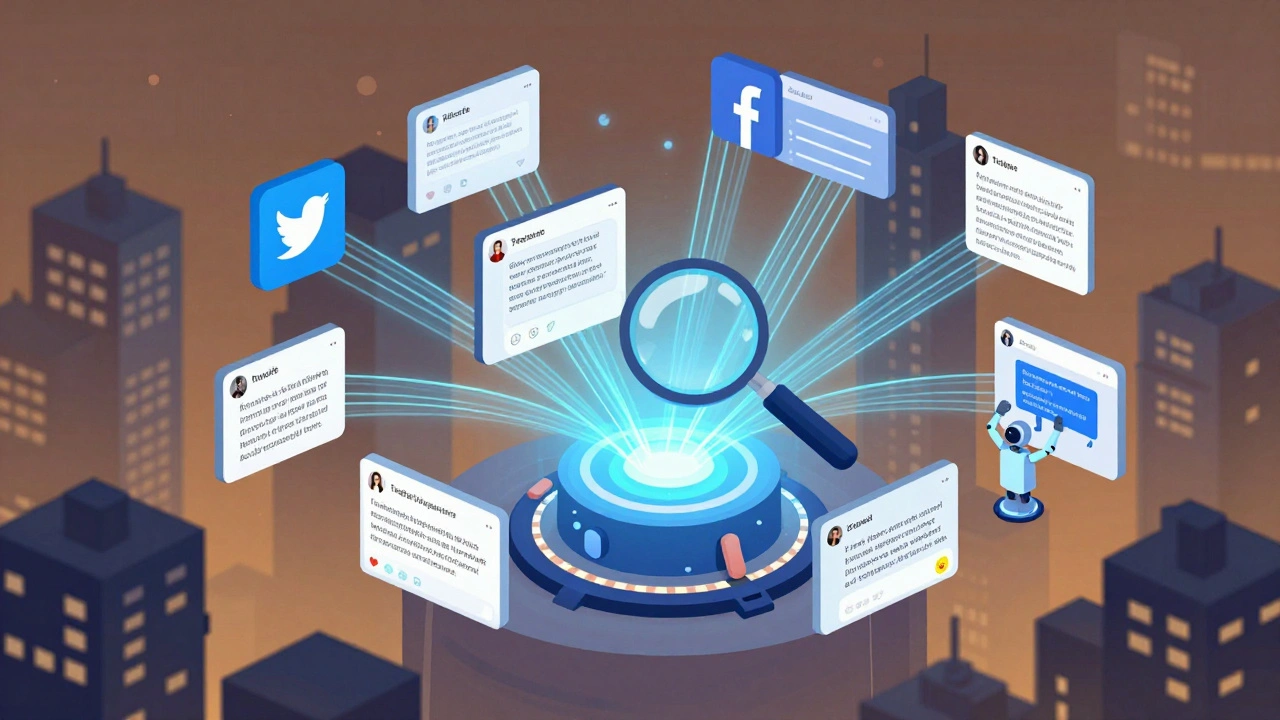
Pharmacovigilance is the official term for tracking side effects after a drug hits the market. Traditional systems rely on doctors and patients filling out forms-slow, incomplete, and often delayed. The World Health Organization estimates that only 5-10% of actual adverse drug reactions ever get reported through these channels. That’s a massive blind spot. Enter social media. Platforms like Twitter, Reddit, and Facebook are now unofficial health forums. Patients describe symptoms in their own words: "This new blood pressure med made me feel like I’m floating," or "My husband broke out in hives after the third dose." These posts aren’t clinical reports. They’re messy. They lack dates, dosages, medical history. But they’re fast. And they’re everywhere. In 2024, over 5 billion people used social media globally, spending more than two hours a day on these platforms. That’s billions of potential data points. The goal? To catch safety signals earlier. A 2024 case study showed a new diabetes drug’s dangerous interaction was flagged on social media 47 days before it appeared in any official database. That’s not a luxury-it’s a lifesaver.How It Works: AI, NLP, and the Noise Problem
You can’t just scan hashtags. Social media pharmacovigilance uses AI tools that understand medical slang. A person might say "my head’s spinning" instead of "vertigo." Systems use Named Entity Recognition (NER) to pull out drug names, symptoms, and dosages. Topic modeling finds patterns in posts that don’t even mention a drug by name-like a spike in comments about "brain fog" after a new antidepressant launched. Major pharma companies now use AI to scan around 15,000 social media posts per hour. Accuracy? About 85%. That sounds good until you realize that 68% of flagged posts turn out to be noise. Someone’s joking. They misread the label. They’re describing a cold, not a reaction. Or worse-they’re spreading misinformation. The WEB-RADR project, a major EU-led initiative, found that out of 12,000 potential adverse event reports pulled from social media, only 3.2% were valid enough to include in official safety databases. That’s one real signal for every 30 posts.The Big Win: Early Detection and Real Patient Voices
When it works, it works well. Venus Remedies, a pharmaceutical company, used social media monitoring to spot a cluster of rare skin reactions linked to a new antihistamine. Within 112 days, they updated the product label-faster than traditional reporting could have allowed. That’s the power: real-time feedback from the people actually taking the drug. On Reddit’s r/Pharma subreddit, users have shared stories where social media caught interactions missed in clinical trials. One nurse noticed a pattern: people on a new antidepressant were also taking St. John’s Wort and having seizures. No clinical trial had tested that combo. The FDA later added a warning. These aren’t rare cases. A 2024 survey found that 43% of pharmaceutical companies reported at least one significant safety signal detected through social media in the past two years. That’s not a fluke-it’s a trend.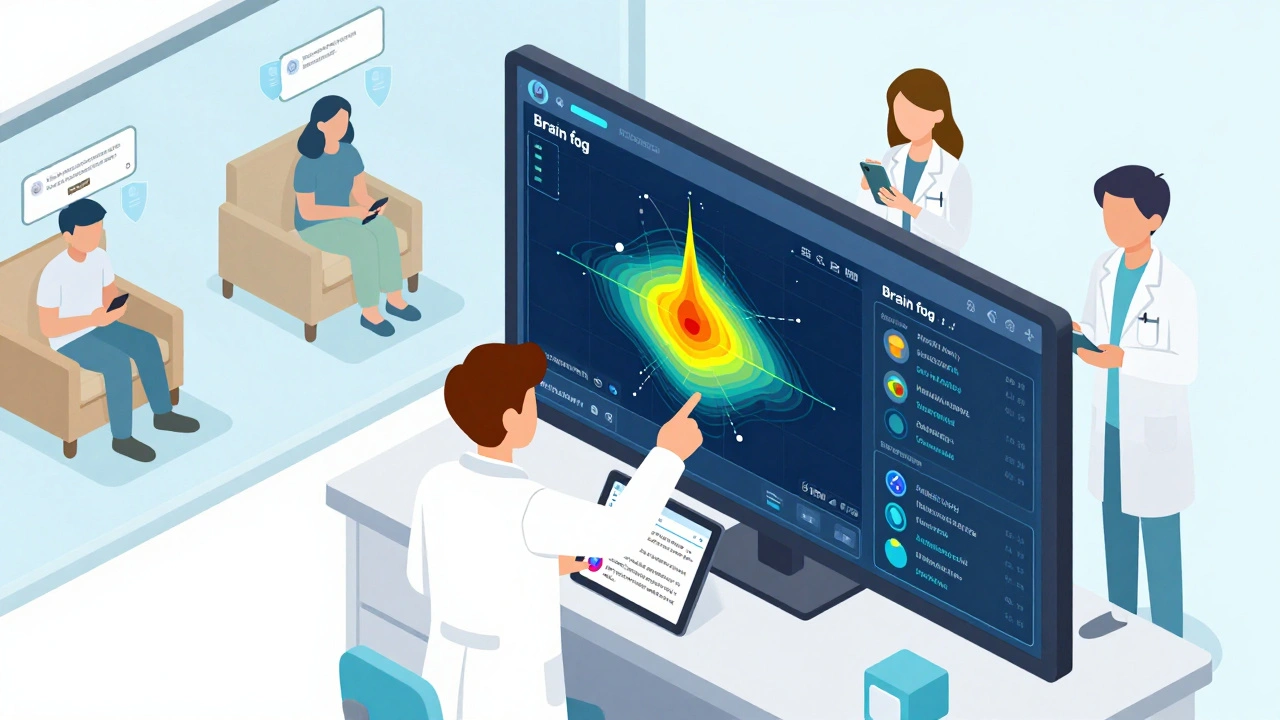
The Hidden Risks: Privacy, Bias, and False Alarms
But here’s the dark side. Patients don’t know their posts are being monitored. They’re not giving consent. A woman shares her struggle with depression after a new medication. Her story gets picked up, analyzed, and sent to a drug safety team. She never agreed to that. That’s a privacy minefield. And not everyone’s online. Older adults, low-income communities, people in rural areas-many don’t use social media. That means the data is skewed. If a drug’s side effect hits harder in communities with less internet access, you’ll never see it. You’ll miss the signal because the people who need help the most aren’t posting. Then there’s the false alarm problem. For drugs with fewer than 10,000 prescriptions a year, social media monitoring gives a 97% false positive rate. Why? Because the signal is too weak. One person complains. Ten others copy the post. It looks like a trend. It’s not. The FDA’s own guidance from 2022 says: "Robust validation processes are required before using this data in safety assessments." Translation: don’t trust it until you’ve double-checked.Regulation, Adoption, and the Global Divide
The EMA updated its guidelines in 2024 to require companies to document how they use social media in their safety reports. The FDA launched a pilot program in March 2024 with six big pharma firms to improve AI accuracy and cut false positives below 15%. But adoption isn’t even. In Europe, 63% of companies use social media pharmacovigilance. In North America, it’s 48%. In Asia-Pacific? Just 29%. Why? Privacy laws. In Germany, strict GDPR rules make it harder to collect personal data. In the U.S., the FDA is cautious but open. In parts of Asia, regulatory bodies are still catching up. The market is growing fast-projected to hit $892 million by 2028. But growth doesn’t mean readiness. Most teams need 87 hours of training just to understand how to interpret the data. And multilingual content? 63% of companies struggle with it. A post in Spanish, Hindi, or Arabic might be missed entirely.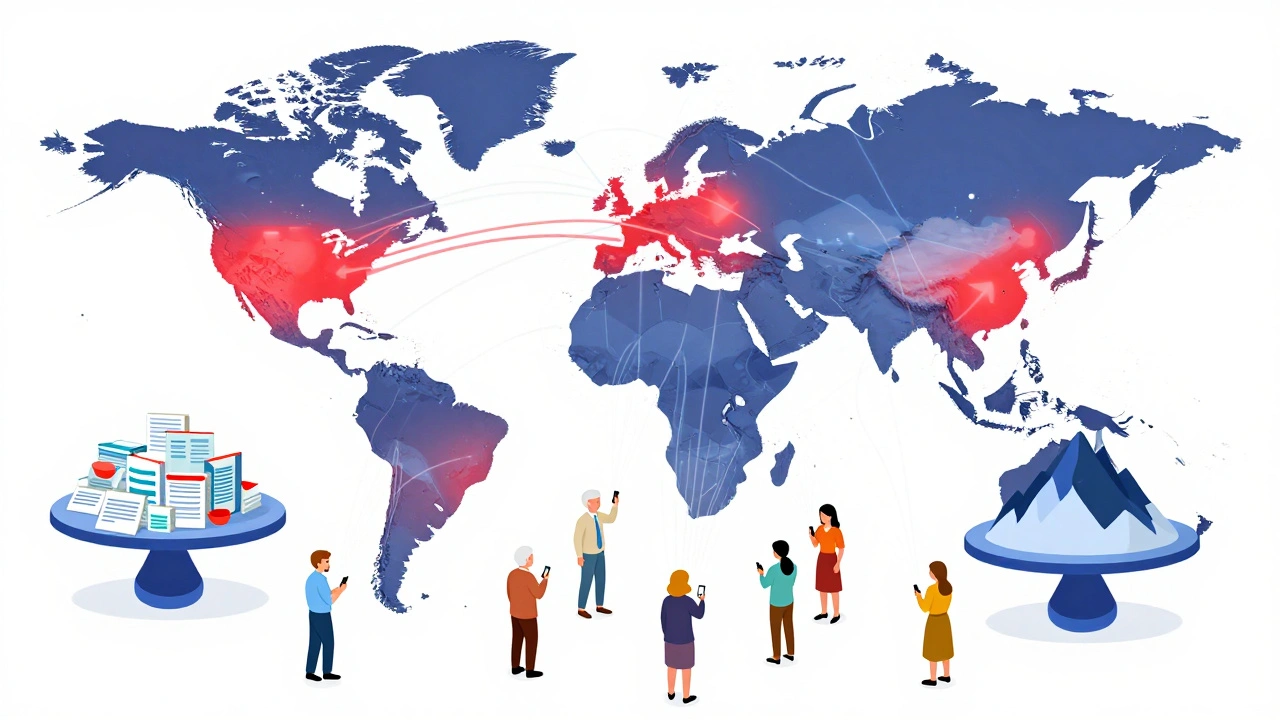
Comments (9)
Regan Mears
10 Dec 2025
This is such a crucial topic-and honestly, I’m amazed more people aren’t talking about it. I’ve seen friends describe side effects on Facebook that their doctors blew off… until it got worse. Social media isn’t perfect, but it’s the only place where real people speak without filters. We need better systems to validate these reports, not just ignore them because they’re not on a government form.
It’s not about replacing traditional pharmacovigilance-it’s about listening to the people who live with these drugs daily. That’s not noise. That’s lived experience.
Nikki Smellie
11 Dec 2025
Are you aware that the government is using AI to mine your private health posts without consent? This isn't 'pharmacovigilance'-it's surveillance disguised as safety. The FDA has been quietly collecting data from Reddit, Twitter, and even Instagram DMs since 2021. They don't need your permission. They don't need a warrant. And they're building profiles on millions of patients. This is how they prepare for mandatory health tracking. Wake up.
David Palmer
12 Dec 2025
Bro, people on the internet are dumb. Someone says 'my head hurts after taking this pill' and suddenly it's a national crisis. Chill. Most of it's just people Googling symptoms and panic-selling their meds. AI can't even tell if someone's joking.
Michaux Hyatt
12 Dec 2025
David, you’re not wrong about the noise-but you’re missing the bigger picture. The 85% accuracy rate isn’t about every single post being valid. It’s about spotting *patterns*. One person saying their head hurts? Maybe a coincidence. But 200 people in the same region saying it after a new batch of pills? That’s a signal. We’re not trying to turn Reddit into a hospital. We’re trying to turn it into a warning system.
And yeah, older folks aren’t on Twitter. That’s why we need to pair this with community outreach, not just algorithms. Tech alone won’t fix this. But tech + empathy? That’s how we save lives.
Raj Rsvpraj
13 Dec 2025
How pathetic that America and Europe are leading this while India still struggles with basic healthcare infrastructure. You think your fancy AI can detect side effects when millions here can’t even get insulin? This is Western arrogance dressed as innovation. We don’t need your social media algorithms-we need affordable medicine, not data harvesting from people who barely have smartphones!
Jack Appleby
13 Dec 2025
Let’s be precise: the 3.2% validation rate isn’t a failure-it’s a feature. The system is designed to filter out the 96.8% of noise, not to be a crystal ball. The fact that the FDA’s pilot reduced false positives to 15% in six months proves the methodology is sound. What’s flawed is the public’s misunderstanding of statistical thresholds. You don’t need 100% accuracy to detect a signal-you need enough to trigger a manual review. And that’s exactly what’s happening.
Also, 'brain fog' isn't slang-it's a clinically recognized symptom in the ICD-11. Your dismissal of lay terminology reveals a fundamental ignorance of modern pharmacovigilance frameworks. Please read the EMA’s 2024 guidance before commenting again.
Rebecca Dong
14 Dec 2025
Okay but what if the AI is wrong and it gets your name leaked? Like, imagine you posted about anxiety after a new antidepressant and suddenly your boss finds out because some algorithm flagged you as 'high risk'? And then you get fired? Or your insurance hikes your rates? This isn’t just about side effects-it’s about corporate espionage disguised as public health. I’m not even kidding. I’ve seen this happen. People get blacklisted by pharma databases. It’s real. And no one’s talking about it.
Michelle Edwards
15 Dec 2025
I just want to say thank you for writing this. My mom took a new medication last year and started having tremors-but her doctor said it was 'just aging.' She posted about it on a support group, and someone else recognized the pattern. They contacted the drug company. Three months later, the label changed. She’s doing better now. This isn’t theoretical. It saved her life.
Yes, there’s noise. Yes, there are privacy concerns. But if we throw out this tool because it’s messy, we’re choosing silence over safety. And that’s not an option.
Sarah Clifford
16 Dec 2025
So basically we’re trusting robots to read our rants about being dizzy after pills and then deciding if we’re gonna die? Cool. I’m just gonna go back to Google-ing my symptoms like a normal person.