
OTC Cough and Cold Medicine Safety: A Guide for All Ages
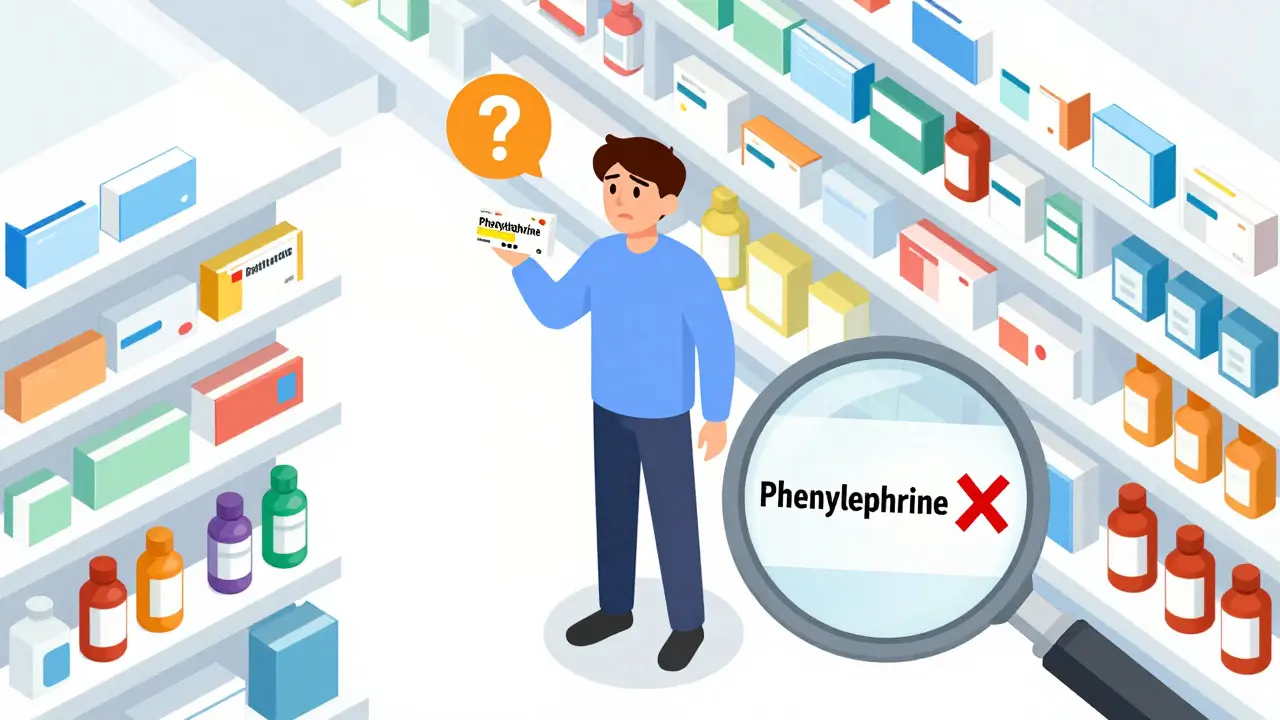
That familiar tickle in your throat or the heavy pressure behind your eyes usually leads to one place: the pharmacy aisle. You grab a box of cough and cold medicine, which is over-the-counter pharmaceutical preparations designed to alleviate symptoms of upper respiratory infections. It feels like the right move. But here is the uncomfortable truth that many of us ignore until we read the fine print: much of what we buy might not actually work, and in some cases, it could be doing more harm than good.
The landscape of self-medication has shifted dramatically in recent years. For decades, we have trusted these products to clear our sinuses and stop our coughs. However, new regulatory scrutiny and clinical data are forcing a hard look at the ingredients sitting on our shelves. Whether you are treating yourself, your teenager, or a toddler, understanding the safety profile and actual efficacy of these drugs is no longer optional-it is essential for keeping your family healthy without unnecessary risks.
The Phenylephrine Problem: Why Your Decongestant Might Be Placebo
If you have bought a multi-symptom cold remedy in the last few years, chances are it contained phenylephrine, an oral decongestant commonly found in products like DayQuil and Sudafed PE. This ingredient was intended to shrink swollen nasal passages. But by late 2023, the scientific consensus had shifted sharply against it.
The U.S. Food and Drug Administration (FDA) convened its Non-prescription Drug Advisory Committee to review the evidence. The conclusion was stark: oral phenylephrine is ineffective at the recommended dosage of 10mg every four hours. A pivotal 2007 meta-analysis by Hatton et al. showed that this dose resulted in "no significant difference" in nasal airway resistance compared to a placebo. Essentially, taking the pill was no better than swallowing sugar water.
Why does this matter? Because millions of people continue to take it, believing they are getting relief when they are not. Dr. Libby Wirth from Cash Wise/CentraCare noted that the evidence for OTC cough medications is generally poor. The FDA proposed removing oral phenylephrine from the list of approved active ingredients. While manufacturers fought to keep it, the message from experts like Dr. Hatton from the University of Florida is clear: "Oral phenylephrine is not a safety risk... It just doesn't work."
| Ingredient | Effectiveness | Availability | Key Risk |
|---|---|---|---|
| Phenylephrine | Ineffective orally | Open shelf | False sense of relief |
| Pseudoephedrine | Highly effective | Behind counter (ID required) | Increased blood pressure |
| Nasal Spray (Oxymetazoline) | Effective locally | Open shelf | Rebound congestion if used >3 days |
Safety First: Protecting Children from OTC Risks
When it comes to kids, the stakes are higher and the evidence for benefit is lower. Parents often feel desperate to help their children sleep through a night of coughing. However, the American Academy of Pediatrics (AAP) and the Mayo Clinic advise caution. There is little to no evidence that OTC cough and cold preparations make children well sooner.
The danger lies in dosing errors and side effects. Between 2000 and 2007, there were 20 reported child deaths in the United States linked to the ingestion of these preparations. Thirteen of those tragic incidents involved children younger than two years old. Consequently, the FDA warns against using these medicines in children under two, and many experts now extend that caution to children under six.
Consider the active ingredients. Dextromethorphan, a common cough suppressant found in many syrups, can cause drowsiness, dizziness, and in high doses, hallucinations. Guaifenesin, an expectorant meant to thin mucus, lacks robust clinical proof that it works effectively in pediatric populations. A 2014 review by Smith et al. analyzed 29 randomized controlled trials and found conflicting evidence for antitussives and expectorants in acute cough cases.
Instead of reaching for the bottle, healthcare providers recommend safer, non-pharmacological interventions:
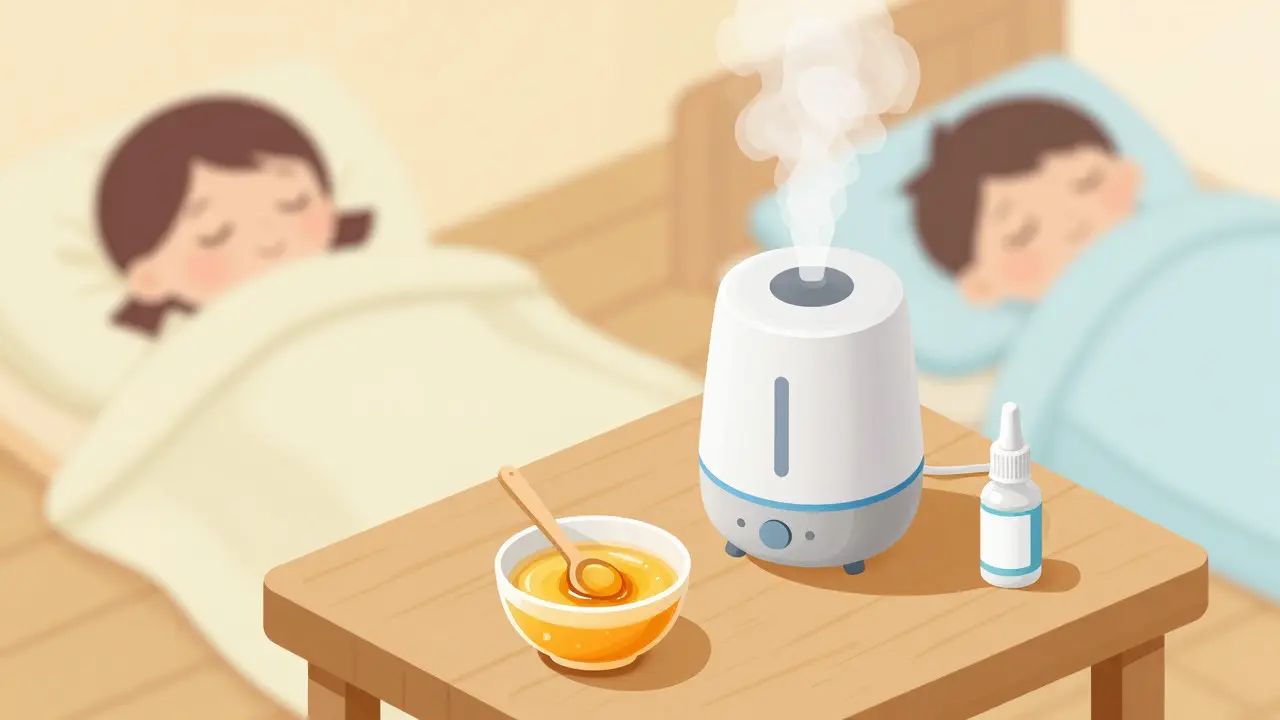
- Humidified air: Using a cool-mist humidifier can soothe irritated airways.
- Saline drops and suction: For infants, saline nose drops followed by gentle bulb suctioning can clear blockages mechanically.
- Hydration: Increased fluid intake helps thin mucus naturally.
Adults: Avoiding Dangerous Combinations
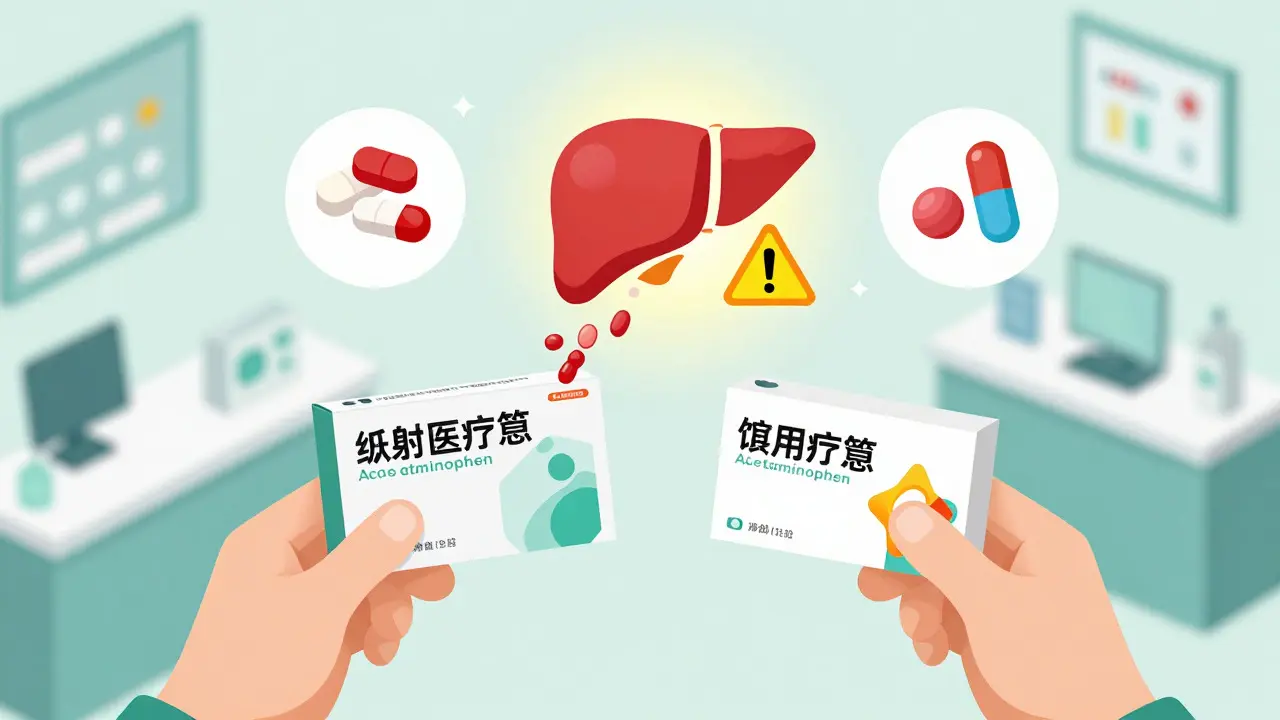
For adults, the primary risk is not necessarily death from a single dose, but accidental overdose through "stacking" medications. Many consumers take a daytime cold pill, a nighttime sleep aid, and a separate pain reliever, not realizing they all contain the same active ingredients.
Acetaminophen is a common culprit. If you take Tylenol Cold and then add regular Tylenol for a headache, you may exceed the safe daily limit, leading to liver damage. Similarly, combining multiple decongestants can spike blood pressure dangerously high.
Drug interactions are another critical concern. If you are taking monoamine oxidase inhibitors (MAOIs) or tricyclic antidepressants, combining them with decongestants like pseudoephedrine can cause severe hypertension and heart rhythm problems. Always check the "Drug Facts" label on every package. Look for the "Active Ingredients" section specifically. If you see acetaminophen, dextromethorphan, or doxylamine listed in more than one product you plan to take, pause and consult a pharmacist.
Better Alternatives: What Actually Works?
If oral phenylephrine is out and pills for kids are risky, what should you use? Fortunately, science supports several effective alternatives that carry fewer risks.
Honey has emerged as a top-tier recommendation. Dr. Chan from the American Medical Association noted that honey has been shown to be as effective as some over-the-counter cough medications. For children over 12 months old, a half-teaspoon (2.5mL) of honey before bedtime can significantly reduce cough frequency and severity. Just remember: never give honey to infants under one year due to the risk of botulism.
Nasal sprays offer a targeted approach for congestion. Unlike oral decongestants that travel through your entire bloodstream, topical sprays like oxymetazoline act directly on the nasal tissue. They are effective with minimal systemic action. However, they must be used sparingly-no more than three days in a row-to avoid rebound congestion, where the nose becomes dependent on the spray.
Zinc lozenges may also provide benefit if taken within 24 hours of symptom onset. Some studies suggest zinc can shorten the duration of a cold by interfering with viral replication in the throat, though results vary by formulation.
Reading the Label: A Practical Checklist
To navigate the pharmacy aisle safely, adopt a disciplined approach to reading labels. Here is how to protect yourself and your family:
- Identify the Active Ingredient: Ignore the brand name marketing. Look for the chemical name. Is it phenylephrine? Consider skipping it. Is it pseudoephedrine? Ask for it behind the counter.
- Check for Multi-Symptom Traps: Do you only have a runny nose? Don't buy a "Cold, Flu, and Sinus" combo that includes a fever reducer and cough suppressant you don't need. Treat only the symptoms you have.
- Verify Age Appropriateness: Ensure the product is labeled for the specific age group. Adult formulas often contain higher concentrations of active ingredients that can be harmful to adolescents.
- Look for Expiration Dates: Old medications lose potency. Taking expired meds might mean you get no relief while still exposing yourself to potential degradation byproducts.
The Future of OTC Cold Care
The market is shifting. With the $6.2 billion OTC cold and cough medicine industry facing scrutiny, consumer behavior is changing. A 2023 Harris Poll indicated that while 78% of American adults use OTC cold medicine, 63% expressed willingness to switch to alternatives after learning about phenylephrine's ineffectiveness.
We are likely to see a rise in demand for saline products, honey-based remedies, and devices like neti pots. Manufacturers will need to reformulate products to remove ineffective ingredients. As FDA Commissioner Robert Califf stated, "The scientific evidence must drive our regulatory decisions, even when it means reevaluating products that have been on the market for decades."
For now, the most powerful tool you have is knowledge. By questioning the efficacy of traditional remedies and opting for evidence-based alternatives, you take control of your health outcomes. You save money, you avoid side effects, and you give your body the best chance to heal itself.
Is phenylephrine really ineffective?
Yes. Clinical studies, including a 2007 meta-analysis, show that oral phenylephrine at the standard 10mg dose provides no significant improvement in nasal congestion compared to a placebo. The FDA has acknowledged this lack of efficacy.
Can I give cough syrup to my 4-year-old?
Generally, no. The FDA and AAP recommend against using OTC cough and cold medicines in children under 6 due to limited efficacy and potential for serious side effects. Honey (for children over 1), saline drops, and humidifiers are safer alternatives.
What is the safest decongestant for adults?
Pseudoephedrine is considered the most effective oral decongestant, but it requires ID verification due to its use in methamphetamine production. Nasal sprays like oxymetazoline are also effective but should be limited to 3 days of use to prevent rebound congestion.
Does honey really help with coughs?
Yes. Studies have shown that honey can be as effective as some OTC cough suppressants for reducing cough frequency and severity, particularly at night. It is safe for children over 12 months old.
How do I avoid accidental overdose with cold medicines?
Always read the "Drug Facts" label on every product. Check the "Active Ingredients" list. If you are taking multiple medications, ensure you are not doubling up on ingredients like acetaminophen or dextromethorphan. Consult a pharmacist if unsure.
Are there natural alternatives to OTC cold meds?
Yes. Effective non-drug options include saline nasal irrigation, humidified air, increased fluid intake, zinc lozenges (taken early), and honey for coughs. These methods address symptoms without pharmacological side effects.




Comments (15)
Morikeoluwa Ayodeji
6 Aug 2026
bro this is huge. honestly i have been saying for years that phenylephrine is just marketing fluff. the fact that they kept it on shelves while knowing it was placebo level stuff is wild. pseudoephedrine behind the counter is annoying with the id check but at least it actually works when you are stuffed up like a cork. people need to stop buying the open shelf junk and ask for the real deal or just use saline spray.
Michelle Alavaski
7 Aug 2026
The FDA's sudden 'concern' regarding phenylephrine is nothing more than a calculated maneuver by pharmaceutical conglomerates to eliminate cheap competition and push their own patented alternatives into the market. Do not be fooled by the veneer of scientific objectivity presented in this article. The so-called 'meta-analysis' cited is likely funded by entities with vested interests in decongestant monopolies. We must question why a substance deemed safe for decades is suddenly 'ineffective' only when regulatory scrutiny threatens profit margins. The truth is buried beneath layers of corporate propaganda designed to keep the populace dependent on ineffective, overpriced remedies.
Josh Atkinson
8 Aug 2026
lol @Michelle Alavaski you are absolutely losing your mind again 😂 seriously though the article is spot on about the honey thing. my kid hated the syrup but loves the honey before bed and it really does help him sleep better. the part about acetaminophen stacking is scary too because i used to take tylenol pm and then regular tylenol for headaches without thinking twice. glad i read this before i accidentally fried my liver next time i get sick 🤦♂️
jackie healey
9 Aug 2026
It is incredibly important to note that while honey is effective, it is strictly contraindicated for infants under one year of age due to the risk of infant botulism! This cannot be overstated. Additionally, when considering nasal sprays such as oxymetazoline, users must adhere strictly to the three-day limit to avoid rhinitis medicamentosa, which is a rebound congestion effect that can become chronic and difficult to treat. Please consult your pharmacist if you are unsure about drug interactions, especially if you are taking MAOIs or tricyclic antidepressants, as these combinations can lead to severe hypertensive crises!
Lilith Stepanyan
10 Aug 2026
the whole industry is built on selling sugar water and false hope. look at the table in the post. phenylephrine is listed as ineffective orally but still sold openly. meanwhile pseudoephedrine is effective but treated like contraband because of meth production. what does that say about our priorities? we would rather let people choke on placebos than make an actual working medicine easily accessible. typical american healthcare nonsense where profit beats patient outcome every single time.
Gary Browne
10 Aug 2026
so basically you are telling me that all those years i spent standing in line showing my id for sudafed were for nothing because i could have just bought the cheaper stuff off the shelf? wait no i read it wrong. okay so the expensive stuff behind the counter is the only thing that works. great. another hurdle to jump through just to breathe. i bet the pharmacy clerks love making us feel like criminals for wanting to clear our sinuses.
Morikeoluwa Ayodeji
11 Aug 2026
@Gary Browne nah man you had to show id for pseudoephedrine specifically. the open shelf stuff like dayquil pe has phenylephrine which according to this is useless. so yeah you were doing the right thing getting the real stuff even if it was a hassle. now maybe they will change laws but for now stick to the behind counter option if you want results.
Minal Aditi
13 Aug 2026
Oh, how delightful. Another article telling us that the very foundations of modern self-medication are crumbling under the weight of 'science.' I suppose next they will tell us that drinking water is merely a suggestion and not a biological imperative. It is almost poetic how humanity clings to these little chemical crutches, believing them to be salvation, only to be told by experts in white coats that they have been swallowing nothing but air and ego. How utterly tragic and yet somehow expected.
Veronica Agbanyim
14 Aug 2026
It is morally reprehensible that companies continued to market phenylephrine as an active ingredient when studies from 2007 already showed it was no better than placebo. This is not just bad science; it is a betrayal of public trust. Parents trusting these labels for their sick children deserve better than corporate greed masquerading as healthcare. We need stricter regulations and accountability for executives who prioritize quarterly earnings over child safety. The deaths mentioned in the article are not just statistics; they are preventable tragedies caused by negligence.
Diane Nash
15 Aug 2026
The paradigm shift in understanding the efficacy of over-the-counter medications represents a critical juncture in public health literacy. It is imperative that individuals adopt a rigorous approach to pharmacological consumption, prioritizing evidence-based interventions over historical precedent. The data regarding dextromethorphan and guaifenesin in pediatric populations is particularly concerning, suggesting that traditional remedies may offer negligible benefit while introducing unnecessary physiological risks. One must therefore embrace alternative therapies, such as humidification and hydration, which possess a robust safety profile and mechanistic plausibility in symptom management.
Tegan Morey
17 Aug 2026
i always forget about the zinc lozenges thing. i tried them once during flu season and felt like my mouth was melting but maybe it did shorten the cold? hard to tell. the honey tip is solid though. my partner swears by it. also good point about checking expiration dates. found some old nyquil in the back of the cabinet last week and tossed it. definitely didn't want degraded chemicals in my system.
Christina Thygesen
17 Aug 2026
this made me realize how much i rely on habit instead of knowledge when i am sick. i just grab whatever is on sale. reading about the liver damage risk from combining meds scared me a bit. i usually take pain killers and cold pills together without checking. going to start reading the labels carefully from now on. thanks for sharing this info it feels important to know what is actually going into my body
Fenton Quinn
17 Aug 2026
The distinction between symptomatic relief and curative action is often blurred in consumer perception. Most OTC cold medicines do not cure the viral infection; they merely mask symptoms. This philosophical disconnect leads to overconsumption. If the goal is rest and recovery, perhaps non-pharmacological aids like humidifiers are superior because they address the environment rather than altering internal chemistry unnecessarily. Simplicity often yields better outcomes in complex biological systems.
Sansaray Jones
18 Aug 2026
just use a neti pot and drink tea. done.
charlie student
19 Aug 2026
interesting how the narrative shifts every few years. first it was all about suppressing coughs then it became about avoiding suppression. now it is about avoiding specific ingredients entirely. i guess the best approach is to stay informed and skeptical. the table comparing decongestants was helpful. i never knew nasal sprays had such a strict time limit. thought i could use them whenever i wanted. good to know about the rebound effect.