Rifampin and Birth Control: Why It Fails and How to Protect Yourself
Rifampin & Birth Control Protection Calculator
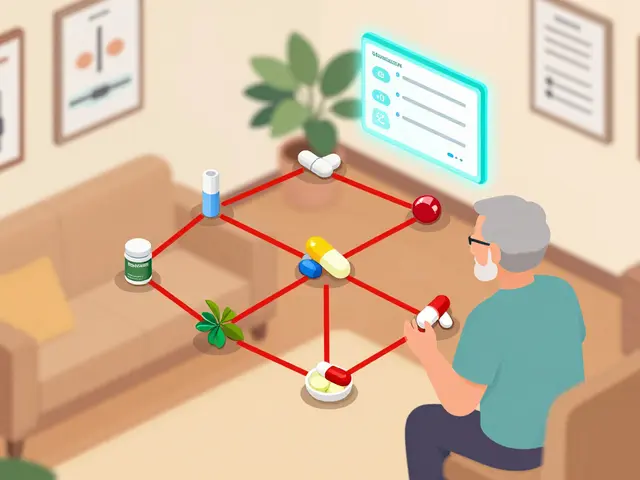
You might think taking your daily pill guarantees you won't get pregnant. But if your doctor prescribes Rifampin is a potent antibiotic used primarily to treat tuberculosis (TB) and certain staphylococcal infections. First synthesized in 1965 by Lepetit Pharmaceuticals, it has been a cornerstone of TB treatment for decades. However, Rifampin comes with a major catch that many patients miss: it can render hormonal birth control completely ineffective.
This isn't just a theoretical risk. For women taking Rifampin, the standard oral contraceptive pill may stop working within days. This article breaks down why this happens, who is at risk, and exactly what steps you need to take to protect yourself from unintended pregnancy while on this medication.
The Core Problem: How Rifampin Breaks Your Contraception
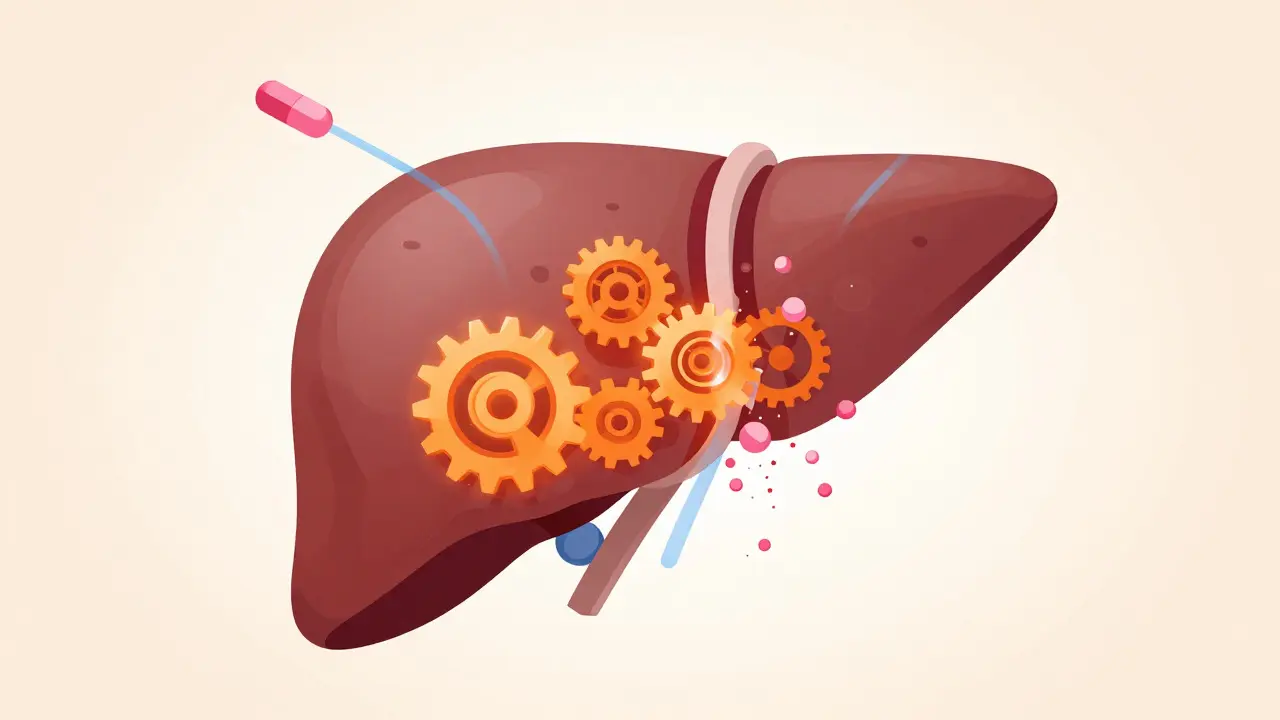
To understand why Rifampin causes oral contraceptive failure, you have to look at how your liver processes drugs. When you take an oral contraceptive, it contains hormones-typically estrogen and progestin-that travel through your bloodstream. Your liver uses specific enzymes to break these hormones down so they can be eliminated from your body. One of the most important enzyme families involved in this process is called Cytochrome P450, specifically the CYP3A4 variant.
Rifampin is a powerful "enzyme inducer." This means it doesn't just block or interact with other drugs; it tells your liver to produce more of these breaking-down enzymes. Within 24 to 48 hours of starting Rifampin, your liver begins ramping up production of CYP3A4. By day 7, this induction is at its peak. The result? Your liver starts metabolizing the hormones in your birth control pill much faster than usual.
Pharmacokinetic studies show that Rifampin reduces the amount of ethinyl estradiol (the estrogen component) in your blood by 37% to 67%. Progestin levels drop by 27% to 52%. When hormone levels fall below a certain threshold, they are no longer strong enough to suppress ovulation or thicken cervical mucus effectively. Essentially, your body thinks you aren't taking birth control anymore, even though you are swallowing the pill every morning.
Rifampin vs. Other Antibiotics: A Unique Risk
Many women worry that *any* antibiotic will mess with their birth control. While it’s a common concern, the evidence points to one main culprit: Rifampin. According to the American Academy of Family Physicians, Rifampin is the only antibiotic with conclusive clinical evidence of causing contraceptive failure. Other common antibiotics like penicillin, tetracycline, erythromycin, and azithromycin have been suspected in the past, but large-scale prospective studies have failed to prove they significantly reduce contraceptive effectiveness.
There is another drug in the same family as Rifampin called Rifabutin. It is often used to prevent mycobacterial infections in patients with HIV. Rifabutin also induces liver enzymes, but less potently than Rifampin. It typically reduces contraceptive hormone levels by about 20% to 30%. While this is still significant, the risk is lower than with Rifampin. However, because the data is less robust, doctors often recommend backup contraception for Rifabutin users as well, just to be safe.
| Antibiotic | Enzyme Induction Strength | Reduction in Hormone Levels | Clinical Evidence of Failure | Backup Contraception Required? |
|---|---|---|---|---|
| Rifampin | Potent (CYP3A4) | 37-67% (Estrogen), 27-52% (Progestin) | Strong (Documented pregnancies & ovulation) | Yes (Mandatory) |
| Rifabutin | Moderate | ~20-30% | Limited/Moderate | Recommended |
| Penicillins / Tetracyclines | Negligible | No significant change | Weak (Spontaneous reports only) | No (Unless other factors present) |
| Azithromycin | Negligible | No significant change | None found in controlled studies | No |
The Hidden Danger: It Doesn't Stop When You Stop Taking Rifampin
Here is where most people make a critical mistake. They finish their course of Rifampin and immediately assume their birth control pill is working again. That is not true. Even though Rifampin leaves your bloodstream quickly (its half-life is only 3-4 hours), the effect on your liver enzymes lasts much longer.
Your liver takes time to stop producing the extra enzymes. Clinical guidelines state that enzyme induction persists for 2 to 4 weeks after you stop taking Rifampin. This means your body is still breaking down your birth control hormones rapidly long after the last dose of the antibiotic is gone.
If you rely solely on your pill during this window, you are unprotected. Medical experts, including those from the Centers for Disease Control and Prevention (CDC), categorize combined hormonal contraceptives as "Category 4" (unacceptable health risk) when used with Rifampin. This classification means the method is generally not recommended unless no other options exist, and if used, backup protection is non-negotiable.
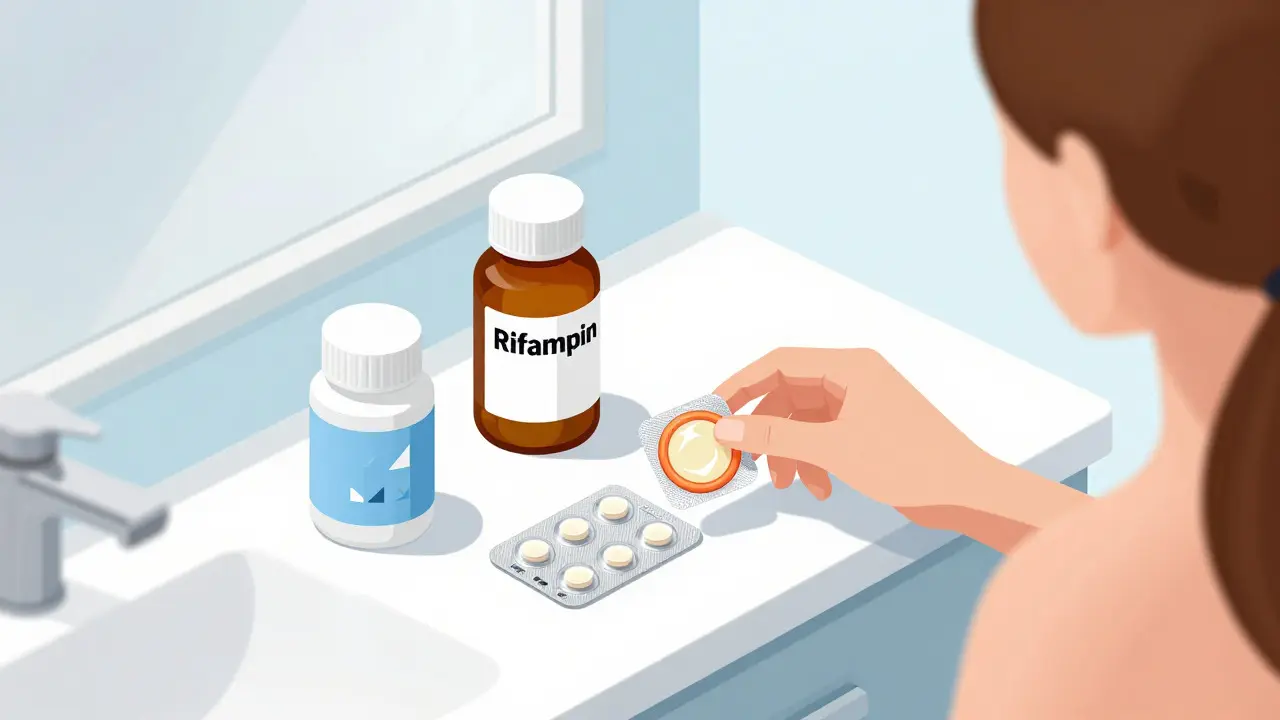
Practical Steps: How to Stay Protected
If you have been prescribed Rifampin, here is the step-by-step protocol to ensure you don't face an unintended pregnancy:
- Start Backup Contraception Immediately: Do not wait until you start the antibiotic. If possible, begin using a backup method before your first dose of Rifampin. If that's not possible, start it the day you begin the medication.
- Choose the Right Backup Method: Since Rifampin affects hormones, avoid relying on other hormonal methods like the patch, ring, or implant as your *only* backup, although some newer implants (like etonogestrel) may retain efficacy due to higher doses. The safest bets are non-hormonal methods: condoms (used correctly and consistently) or a copper IUD.
- Continue Through the Entire Course: Keep using backup contraception for every single day you are taking Rifampin.
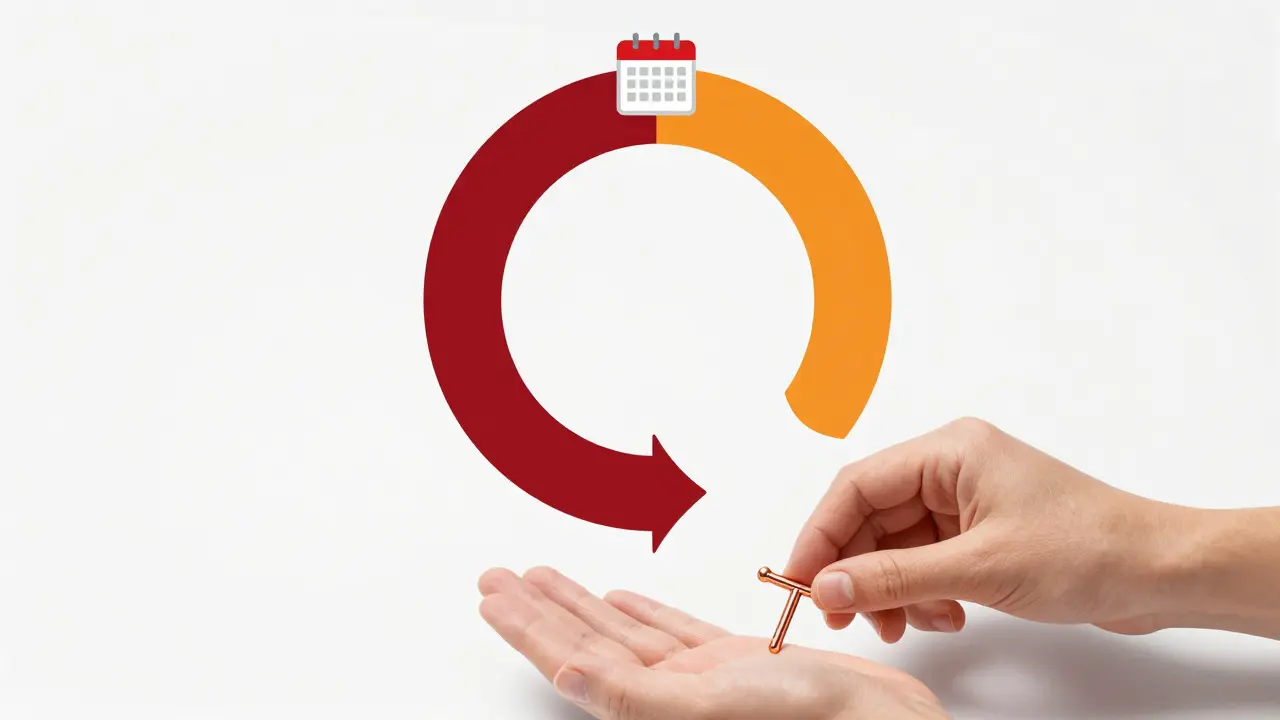
- Extend Protection for 28 Days After: This is the crucial part. Continue using backup contraception for a full 28 days after your last dose of Rifampin. This covers the period while your liver enzymes return to normal baseline levels.
For example, if you take Rifampin for 2 months, you need to use condoms or a copper IUD for those 2 months *plus* another month afterward. Only then can you feel confident that your oral contraceptive pill is fully effective again.
Who Is Most at Risk?
While any woman taking Rifampin is at risk, certain groups face higher consequences. Women being treated for Tuberculosis (TB) are the primary group affected. TB is a serious infection that requires strict adherence to medication regimens. Adding the stress of potential contraceptive failure can complicate patient care. In regions with high TB prevalence, such as parts of sub-Saharan Africa, this interaction creates significant reproductive health challenges, especially where access to alternative contraception is limited.
Another group includes patients taking Rifapentine, a related drug sometimes used in shorter TB treatment courses. While Rifapentine is taken weekly rather than daily, it still induces enzymes. Patients should check with their provider to see if backup contraception is needed, though the risk profile may differ slightly from daily Rifampin.
It is also worth noting that men do not face this specific risk regarding female partners' pills, but if a male partner is on Rifampin, he should be aware that his female partner's contraception is compromised. Communication between partners and healthcare providers is essential.
Common Misconceptions and Errors
Despite clear guidelines, confusion remains. A 2017 survey found that only 42% of primary care physicians consistently counsel patients about the Rifampin-birth control interaction. Many doctors either overreact or underreact.
Overreaction: Some providers tell all patients to switch to non-hormonal methods whenever *any* antibiotic is prescribed. This is unnecessary for most antibiotics and can lead to patient frustration and reduced compliance with preferred contraceptive methods.
Underreaction: Others fail to mention the interaction at all, assuming the patient knows. Or, they forget to mention the 28-day post-treatment window, leading to unprotected periods right after the antibiotic course ends.
Always ask your pharmacist or doctor: "Does this specific antibiotic affect my birth control?" If the answer is yes, ask: "How long after stopping the antibiotic should I keep using backup methods?"
Emerging Solutions and Future Directions
Medical science is working to mitigate these issues. Newer TB treatment regimens are being developed that aim to avoid Rifampin entirely or use it in combination with drugs that counteract its effects. For instance, trials involving Rifapentine and Moxifloxacin are exploring shorter, potentially safer courses for patients.
On the contraception side, researchers are studying whether higher-dose progestin-only implants can withstand the enzyme induction caused by Rifampin. A 2023 study suggested that etonogestrel implants might maintain efficacy, offering a viable option for women who cannot use condoms consistently. However, until larger studies confirm this, the copper IUD and condoms remain the gold standard for backup during Rifampin therapy.
Regulatory agencies like the FDA now require pharmaceutical companies to test new hormonal contraceptives against Rifampin before approval. This ensures that label warnings are accurate and that patients have reliable information at launch.
Frequently Asked Questions
Does amoxicillin affect birth control?
Generally, no. Amoxicillin is a penicillin-type antibiotic. Current evidence suggests it does not significantly reduce the effectiveness of oral contraceptives. Unless you are experiencing vomiting or diarrhea (which can interfere with pill absorption), you typically do not need backup contraception for amoxicillin alone.
How long after stopping Rifampin should I use backup contraception?
You should continue using backup contraception for 28 days after your last dose of Rifampin. This allows time for your liver enzymes to return to normal levels, ensuring your birth control pill is fully effective again.
Can I use the NuvaRing or Patch while on Rifampin?
Like the pill, the NuvaRing and Patch contain hormones that are metabolized by the liver. Rifampin will likely reduce their effectiveness as well. Therefore, they are considered unreliable during Rifampin therapy without additional backup contraception. The same 28-day rule applies after stopping Rifampin.
Is Rifabutin as risky as Rifampin for birth control?
Rifabutin is less potent than Rifampin but still poses a risk. It reduces hormone levels by about 20-30%. While the risk of pregnancy is lower, most clinicians recommend using backup contraception during Rifabutin therapy and for a short period after, similar to Rifampin protocols, to be safe.
What is the best backup method for someone on Rifampin?
The copper IUD is highly effective and non-hormonal, making it an excellent choice. Condoms are also a good option if used correctly every time. Avoid relying on spermicides alone, as they are less effective. If you choose an implant, discuss with your doctor whether the specific type maintains efficacy during enzyme-inducing antibiotic use.
Do I need to stop my birth control pill when starting Rifampin?
Not necessarily. You can continue taking your pill, but it will be less effective. The key is adding a backup method. Stopping the pill might cause withdrawal bleeding or irregular cycles, which can be confusing. Continuing the pill plus using condoms or a copper IUD is usually the simplest approach for most patients.